Popery: The Accommodation of Christianity to the Natural Heart
Popery: The Accommodation of Christianity to the Natural Heart
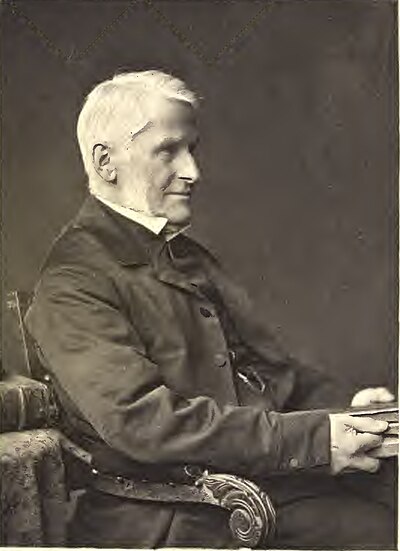
Delivered as a lecture in 1848, this is a sharp Protestant critique of Roman Catholic practice, but one that transcends mere sectarian attack. Edward Hoare, an Anglican clergyman, argues that "Popery" succeeds precisely because it caters to what he calls "the natural heart" , the human desire for comfort, certainty, and external assurance rather than the painful work of genuine spiritual transformation. He examines how Catholic practices like confession, the intercession of saints, Marian devotion, and ritual satisfy deep psychological hungers for reconciliation without requiring the radical reformation of character that authentic Christianity demands. What makes this lecture enduring is not its sectarian position but its psychological acuity: Hoare essentially diagnoses why humans gravitate toward religious systems that promise spiritual peace on manageable terms. Written during an era of intense religious controversy between Protestants and Catholics in Britain, the work reflects broader Victorian anxieties about faith, doubt, and the commodification of salvation. Today it serves as a fascinating historical document for readers interested in Victorian religious culture, the psychology of belief, or the evolution of Protestant-Catholic relations.
Editions
Link to this book
Add a free, dofollow link to Lex on your blog, forum, syllabus, or reading list.

<a href="https://lex-books.com/book/popery-the-accommodation-of-christianity-to-the-natural-heart-5b446099-249e-4535-b83f-88298be2f783"><img src="https://lex-books.com/badges/read-on-lex.svg" alt="Read Popery: The Accommodation of Christianity to the Natural Heart by Edward Hoare free on Lex" width="160" height="40"></a>[](https://lex-books.com/book/popery-the-accommodation-of-christianity-to-the-natural-heart-5b446099-249e-4535-b83f-88298be2f783)[url=https://lex-books.com/book/popery-the-accommodation-of-christianity-to-the-natural-heart-5b446099-249e-4535-b83f-88298be2f783][img]https://lex-books.com/badges/read-on-lex.svg[/img][/url]Read Popery: The Accommodation of Christianity to the Natural Heart by Edward Hoare free on Lex: https://lex-books.com/book/popery-the-accommodation-of-christianity-to-the-natural-heart-5b446099-249e-4535-b83f-88298be2f783Cite this book
Reading this edition for a paper or guide? Copy a citation.
Hoare, Edward. Popery: The Accommodation of Christianity to the Natural Heart. Lex, lex-books.com/book/popery-the-accommodation-of-christianity-to-the-natural-heart-5b446099-249e-4535-b83f-88298be2f783.Hoare, E. (n.d.). Popery: The Accommodation of Christianity to the Natural Heart. Lex. https://lex-books.com/book/popery-the-accommodation-of-christianity-to-the-natural-heart-5b446099-249e-4535-b83f-88298be2f783Hoare, Edward. Popery: The Accommodation of Christianity to the Natural Heart. Lex. https://lex-books.com/book/popery-the-accommodation-of-christianity-to-the-natural-heart-5b446099-249e-4535-b83f-88298be2f783.