Ἀπολογία Σωκράτους (The Apology of Socrates in Ancient Greek, Version 2)
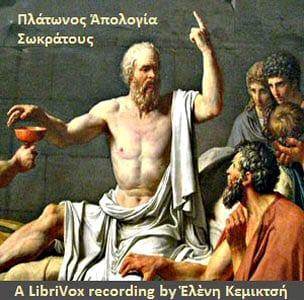
The Apology is Socrates' defense speech before 501 Athenian jurors in 399 BCE, and it remains the most electrifying courtroom drama in Western literature. Accused of impiety and corrupting the youth, the philosopher faces death not with desperation but with the calm certainty of a man who has never betrayed his principles. He refuses to beg for mercy, refuses to feign remorse for the crime of asking questions. Instead, he famously declares that the unexamined life is not worth living, and that no harm can come to a good man. The text crackles with intellectual courage: Socrates mocks his accusers, dismantles their logic, and accepts his fate with a dignity that has inspired thinkers for twenty-four centuries. This is philosophy as performance, as martyrdom, as the foundation of all subsequent debates about free speech, conscience, and the price of truth.
Editions

Link to this book
Add a free, dofollow link to Lex on your blog, forum, syllabus, or reading list.

<a href="https://lex-books.com/book/the-apology-of-socrates-in-ancient-greek-version-2-2b5ccdc4-bcf6-482b-aad3-5ca9541309a0"><img src="https://lex-books.com/badges/read-on-lex.svg" alt="Read Ἀπολογία Σωκράτους (The Apology of Socrates in Ancient Greek, Version 2) by Plato (Πλάτων) free on Lex" width="160" height="40"></a>[](https://lex-books.com/book/the-apology-of-socrates-in-ancient-greek-version-2-2b5ccdc4-bcf6-482b-aad3-5ca9541309a0)[url=https://lex-books.com/book/the-apology-of-socrates-in-ancient-greek-version-2-2b5ccdc4-bcf6-482b-aad3-5ca9541309a0][img]https://lex-books.com/badges/read-on-lex.svg[/img][/url]Read Ἀπολογία Σωκράτους (The Apology of Socrates in Ancient Greek, Version 2) by Plato (Πλάτων) free on Lex: https://lex-books.com/book/the-apology-of-socrates-in-ancient-greek-version-2-2b5ccdc4-bcf6-482b-aad3-5ca9541309a0Cite this book
Reading this edition for a paper or guide? Copy a citation.
(Πλάτων), Plato. Ἀπολογία Σωκράτους (The Apology of Socrates in Ancient Greek, Version 2). Lex, lex-books.com/book/the-apology-of-socrates-in-ancient-greek-version-2-2b5ccdc4-bcf6-482b-aad3-5ca9541309a0.(Πλάτων), P. (n.d.). Ἀπολογία Σωκράτους (The Apology of Socrates in Ancient Greek, Version 2). Lex. https://lex-books.com/book/the-apology-of-socrates-in-ancient-greek-version-2-2b5ccdc4-bcf6-482b-aad3-5ca9541309a0(Πλάτων), Plato. Ἀπολογία Σωκράτους (The Apology of Socrates in Ancient Greek, Version 2). Lex. https://lex-books.com/book/the-apology-of-socrates-in-ancient-greek-version-2-2b5ccdc4-bcf6-482b-aad3-5ca9541309a0.