Apology of Socrates (version 3)
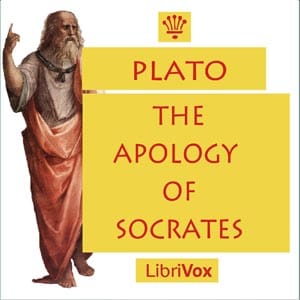
In 399 BCE, a seventy-year-old philosopher stood before a jury of 501 Athenians, facing charges that would end his life: corrupting the youth and impiety. What unfolds is not merely a trial, but a confrontation between one man and his city. Socrates refuses to pander, weep, or beg for mercy. Instead, he argues that his divine mission has been to stir others to examine their own lives, to pursue virtue over comfort, and to choose truth over expedience. The Apology is both a courtroom drama and a manifesto for intellectual integrity. When the jury condemns him to death, Socrates drinks the hemlock calmly, mocking his friends' grief and insisting that no one truly knows what lies beyond death. The unexamined life, he declares, is not worth living. Twenty-four centuries later, this remains the most bracing defense of philosophy ever written.
Editions


Link to this book
Add a free, dofollow link to Lex on your blog, forum, syllabus, or reading list.

<a href="https://lex-books.com/book/apology-of-socrates-version-3-66d17398-80d4-4b09-9741-8271b3631fd9"><img src="https://lex-books.com/badges/read-on-lex.svg" alt="Read Apology of Socrates (version 3) by Plato (Πλάτων) free on Lex" width="160" height="40"></a>[](https://lex-books.com/book/apology-of-socrates-version-3-66d17398-80d4-4b09-9741-8271b3631fd9)[url=https://lex-books.com/book/apology-of-socrates-version-3-66d17398-80d4-4b09-9741-8271b3631fd9][img]https://lex-books.com/badges/read-on-lex.svg[/img][/url]Read Apology of Socrates (version 3) by Plato (Πλάτων) free on Lex: https://lex-books.com/book/apology-of-socrates-version-3-66d17398-80d4-4b09-9741-8271b3631fd9Cite this book
Reading this edition for a paper or guide? Copy a citation.
(Πλάτων), Plato. Apology of Socrates (version 3). Lex, lex-books.com/book/apology-of-socrates-version-3-66d17398-80d4-4b09-9741-8271b3631fd9.(Πλάτων), P. (n.d.). Apology of Socrates (version 3). Lex. https://lex-books.com/book/apology-of-socrates-version-3-66d17398-80d4-4b09-9741-8271b3631fd9(Πλάτων), Plato. Apology of Socrates (version 3). Lex. https://lex-books.com/book/apology-of-socrates-version-3-66d17398-80d4-4b09-9741-8271b3631fd9.