The Ancient Egyptian Doctrine of the Immortality of the Soul
1895
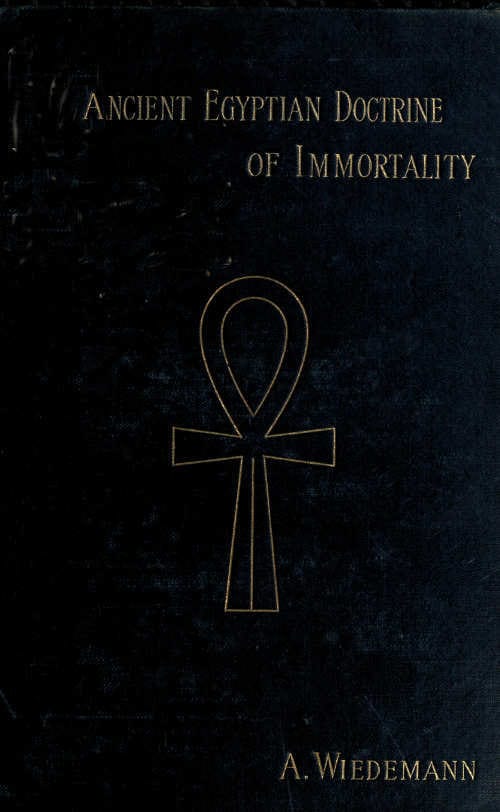
The Ancient Egyptian Doctrine of the Immortality of the Soul
1895
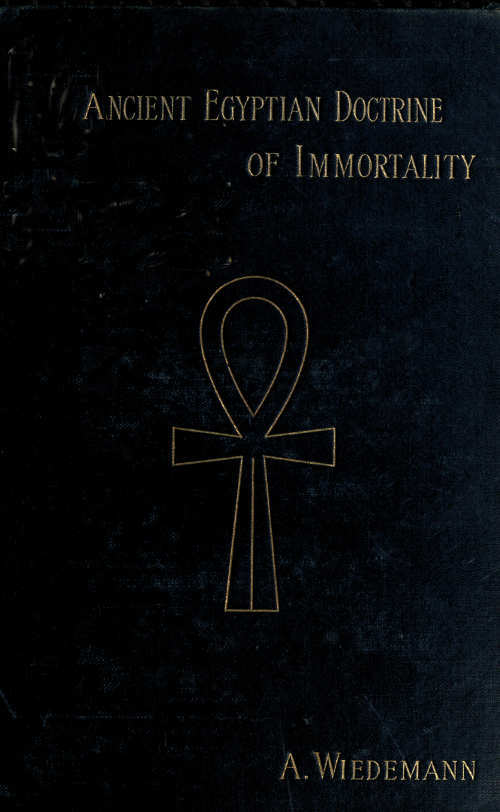
Published in 1895, 'The Ancient Egyptian Doctrine of the Immortality of the Soul' by Alfred Wiedemann examines the beliefs of ancient Egyptians regarding the soul's immortality. The book explores the religious and cultural practices surrounding death and the afterlife, detailing concepts such as the KA, BA, and the significance of Osiris in these beliefs. Wiedemann highlights how these doctrines influenced later religious thought, including Christianity, and provides insights into the funerary rituals and symbolism that offered comfort to Egyptians through the promise of eternal life.
Editions
X-Ray
Professor of Oriental Languages at the University of Bonn and author of this scholarly treatise. He presents himself as a translator and interpreter of ancient Egyptian religious beliefs for modern readers.
The central divine figure in Egyptian immortality doctrine, first divine King of Egypt who civilized the people and became judge of the dead after his death. Every deceased person becomes an 'Osiris' in the afterlife.
Brother of Osiris who represents evil and chaos. He murdered Osiris through treacherous machinations, embodying the principle of wickedness that the righteous must overcome.
Wife of Osiris and major goddess whose worship spread throughout the Roman Empire. She represents the divine feminine principle in the Osirian religious system.
About The Ancient Egyptian Doctrine of the Immortality of the Soul
Chapter Summaries
- Preface
- Wiedemann explains his purpose in writing about Egyptian immortality doctrine and its historical influence on Greek philosophy, Gnosticism, and Christianity. He emphasizes this was the popular belief among all classes of Egyptians from early to Coptic times.
- 1
- Introduction to Egyptian religious complexity and the unique position of immortality doctrine within it. Discusses the conservative nature of Egyptian religion that preserved all historical stages of belief simultaneously, creating apparent contradictions.
- 2
- Detailed description of Egyptian burial practices, from embalmment procedures to funeral processions and tomb ceremonies. Explains how the physical body (Kha) is preserved while the immortal parts begin their separate journeys.
Key Themes
- Immortality of the Soul
- The central doctrine that human souls are immortal and composed of multiple parts (Ka, Ba, heart, shadow, etc.) that separate at death but can reunite in the afterlife. This represents one of humanity's earliest systematic beliefs in personal immortality.
- Death and Resurrection
- The cyclical pattern of death followed by resurrection, modeled on Osiris's own death and revival. Every person hopes to follow this pattern, dying as mortals but rising as immortal beings in the company of the gods.
- Judgment and Moral Accountability
- The weighing of the heart against the feather of Truth represents divine justice and moral accountability. The deceased must prove their righteousness through the 'Negative Confession' to achieve eternal life.
Characters
- Alfred Wiedemann(protagonist)
- Professor of Oriental Languages at the University of Bonn and author of this scholarly treatise. He presents himself as a translator and interpreter of ancient Egyptian religious beliefs for modern readers.
- Osiris(major)
- The central divine figure in Egyptian immortality doctrine, first divine King of Egypt who civilized the people and became judge of the dead after his death. Every deceased person becomes an 'Osiris' in the afterlife.
- Set (Typhon)(antagonist)
- Brother of Osiris who represents evil and chaos. He murdered Osiris through treacherous machinations, embodying the principle of wickedness that the righteous must overcome.
- Isis(major)
- Wife of Osiris and major goddess whose worship spread throughout the Roman Empire. She represents the divine feminine principle in the Osirian religious system.
- Horus(major)
- Son of Osiris who followed in his father's footsteps and broke the power of evil. He represents the triumph of good over evil and the continuation of divine kingship.
- Thot(major)
- Scribe of the gods who records the results of the weighing of hearts in the Hall of Judgment. He represents divine wisdom and the recording of truth.
Link to this book
Add a free, dofollow link to Lex on your blog, forum, syllabus, or reading list.

<a href="https://lex-books.com/book/the-ancient-egyptian-doctrine-of-the-immortality-of-the-soul-bdd54349-7a0e-4b63-b15b-c4f996ebf25c"><img src="https://lex-books.com/badges/read-on-lex.svg" alt="Read The Ancient Egyptian Doctrine of the Immortality of the Soul by Alfred Wiedemann free on Lex" width="160" height="40"></a>[](https://lex-books.com/book/the-ancient-egyptian-doctrine-of-the-immortality-of-the-soul-bdd54349-7a0e-4b63-b15b-c4f996ebf25c)[url=https://lex-books.com/book/the-ancient-egyptian-doctrine-of-the-immortality-of-the-soul-bdd54349-7a0e-4b63-b15b-c4f996ebf25c][img]https://lex-books.com/badges/read-on-lex.svg[/img][/url]Read The Ancient Egyptian Doctrine of the Immortality of the Soul by Alfred Wiedemann free on Lex: https://lex-books.com/book/the-ancient-egyptian-doctrine-of-the-immortality-of-the-soul-bdd54349-7a0e-4b63-b15b-c4f996ebf25cCite this book
Reading this edition for a paper or guide? Copy a citation.
Wiedemann, Alfred. The Ancient Egyptian Doctrine of the Immortality of the Soul. Lex, lex-books.com/book/the-ancient-egyptian-doctrine-of-the-immortality-of-the-soul-bdd54349-7a0e-4b63-b15b-c4f996ebf25c.Wiedemann, A. (1895). The Ancient Egyptian Doctrine of the Immortality of the Soul. Lex. https://lex-books.com/book/the-ancient-egyptian-doctrine-of-the-immortality-of-the-soul-bdd54349-7a0e-4b63-b15b-c4f996ebf25cWiedemann, Alfred. The Ancient Egyptian Doctrine of the Immortality of the Soul. Lex. https://lex-books.com/book/the-ancient-egyptian-doctrine-of-the-immortality-of-the-soul-bdd54349-7a0e-4b63-b15b-c4f996ebf25c.