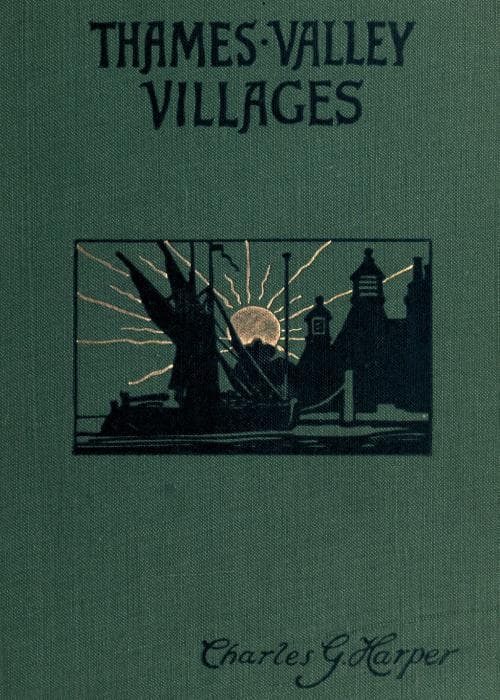
Thames Valley Villages, Volume 1 (of 2)
1910
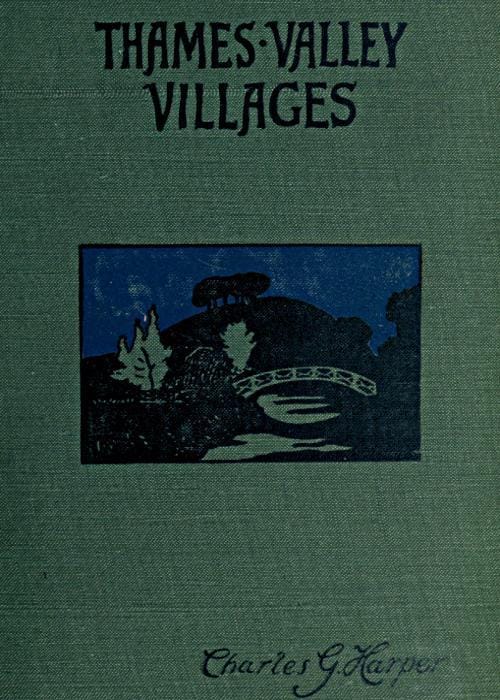
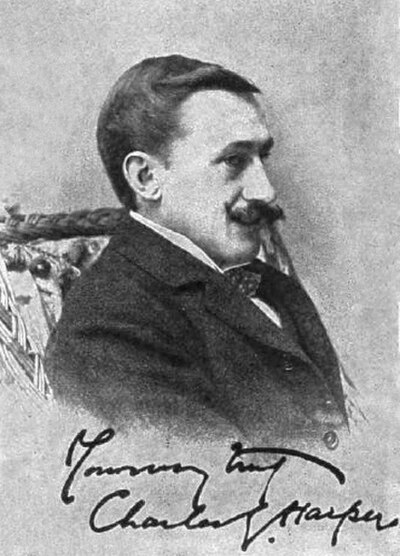
In 1910, Charles G. Harper set out to find the Thames before it was lost. He was not interested in the commercialized lower reaches, with their crowded steamers and urban banks. Instead, he walked and cycled the upper river's forgotten villages, from Cirencester through Kemble, Ashton Keynes, and Cricklade, seeking the river where it still ran wild and unspoiled near its source at Thames Head. What emerges is neither a dry guidebook nor a nostalgic screed, but something rarer: a writer in love with a landscape, capturing it with an artist's eye for the telling detail, the particular slant of a thatched roof, the cadence of a village street, the way light falls across water. Harper writes with quiet urgency, knowing that this England is vanishing. A century later, his pages function as both time capsule and elegy, preserving a world of hand-loom weavers, ancient coaching inns, and river meadows that have since been drained, built over, or simply forgotten.
Editions
Link to this book
Add a free, dofollow link to Lex on your blog, forum, syllabus, or reading list.

<a href="https://lex-books.com/book/thames-valley-villages-volume-1-of-2-beb6f14e-1a04-4e5b-ae00-939b321e0204"><img src="https://lex-books.com/badges/read-on-lex.svg" alt="Read Thames Valley Villages, Volume 1 (of 2) by Charles G. Harper free on Lex" width="160" height="40"></a>[](https://lex-books.com/book/thames-valley-villages-volume-1-of-2-beb6f14e-1a04-4e5b-ae00-939b321e0204)[url=https://lex-books.com/book/thames-valley-villages-volume-1-of-2-beb6f14e-1a04-4e5b-ae00-939b321e0204][img]https://lex-books.com/badges/read-on-lex.svg[/img][/url]Read Thames Valley Villages, Volume 1 (of 2) by Charles G. Harper free on Lex: https://lex-books.com/book/thames-valley-villages-volume-1-of-2-beb6f14e-1a04-4e5b-ae00-939b321e0204Cite this book
Reading this edition for a paper or guide? Copy a citation.
Harper, Charles G.. Thames Valley Villages, Volume 1 (of 2). Lex, lex-books.com/book/thames-valley-villages-volume-1-of-2-beb6f14e-1a04-4e5b-ae00-939b321e0204.Harper, C. G. (1910). Thames Valley Villages, Volume 1 (of 2). Lex. https://lex-books.com/book/thames-valley-villages-volume-1-of-2-beb6f14e-1a04-4e5b-ae00-939b321e0204Harper, Charles G.. Thames Valley Villages, Volume 1 (of 2). Lex. https://lex-books.com/book/thames-valley-villages-volume-1-of-2-beb6f14e-1a04-4e5b-ae00-939b321e0204.