Slavery and the Slave Trade in Africa
1893
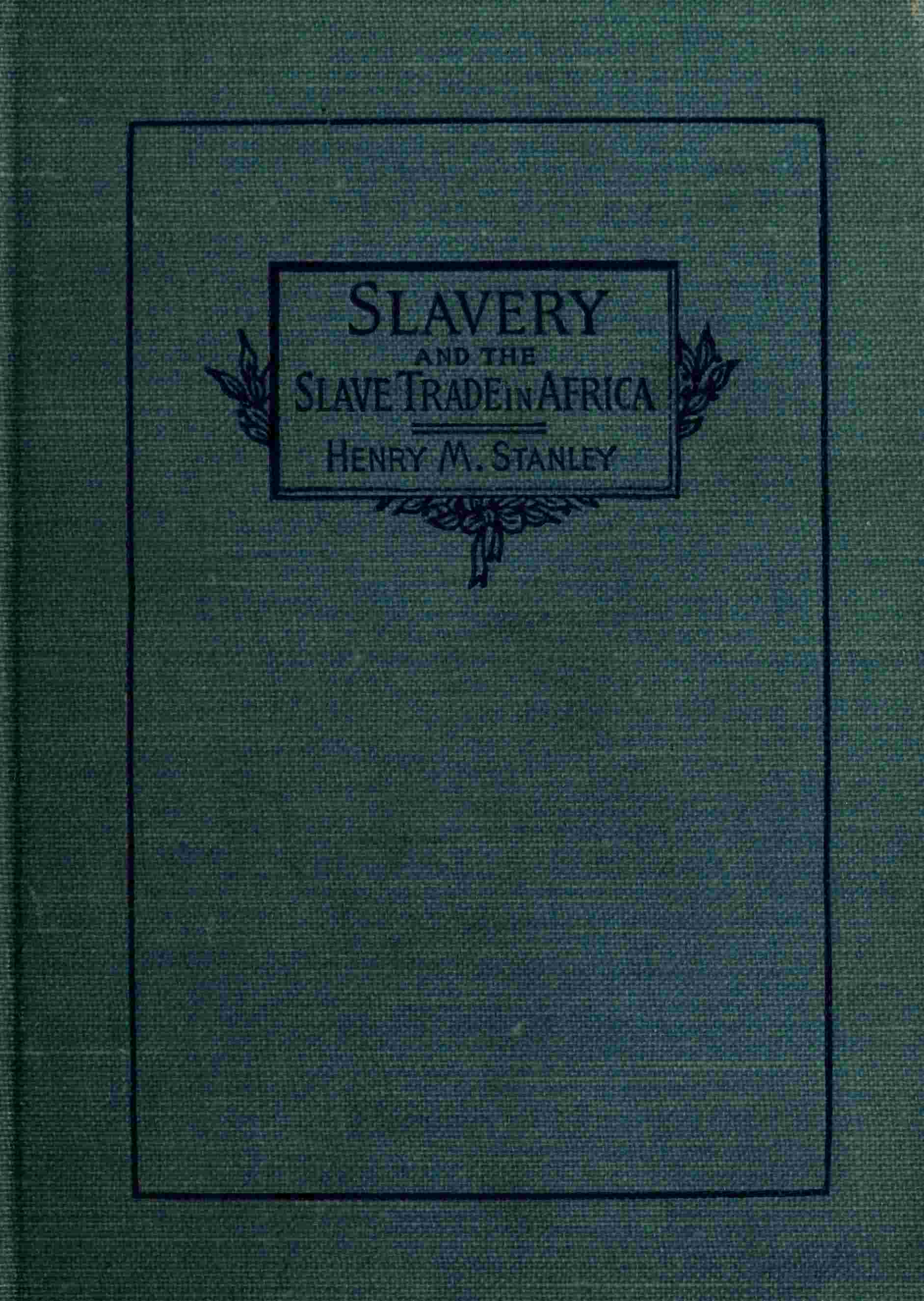
This is not a distant academic treatise but a dispatch from the heart of darkness itself. Written in 1893 by the explorer who had traversed the African interior more thoroughly than any European before him, Stanley's account draws on decades of firsthand observation of a continent being torn apart. He documents the slave trade not as abstraction but as visceral reality: the raids that burned villages, the chains that bound children, the militarization of tribes turned into predatory war machines by the insatiable demand for human cargo. Stanley sparely but powerfully sketches the economic machinery driving this commerce, showing how European appetite for palm oil, ivory, and labor created the conditions for systematic dehumanization. Yet what elevates this beyond polemic is Stanley's willingness to name his own civilization's complicity while also documenting the courageous (if often futile) efforts to suppress the trade. The book remains essential reading not because it offers comfortable answers, but because it captures the terrible scale of human trafficking in Africa at its peak, written by a man who walked among the survivors and witnessed the aftermath.
Editions
Link to this book
Add a free, dofollow link to Lex on your blog, forum, syllabus, or reading list.

<a href="https://lex-books.com/book/slavery-and-the-slave-trade-in-africa-647cd4ff-8d13-42f4-ab2e-701ba5e444df"><img src="https://lex-books.com/badges/read-on-lex.svg" alt="Read Slavery and the Slave Trade in Africa by Henry M. Stanley free on Lex" width="160" height="40"></a>[](https://lex-books.com/book/slavery-and-the-slave-trade-in-africa-647cd4ff-8d13-42f4-ab2e-701ba5e444df)[url=https://lex-books.com/book/slavery-and-the-slave-trade-in-africa-647cd4ff-8d13-42f4-ab2e-701ba5e444df][img]https://lex-books.com/badges/read-on-lex.svg[/img][/url]Read Slavery and the Slave Trade in Africa by Henry M. Stanley free on Lex: https://lex-books.com/book/slavery-and-the-slave-trade-in-africa-647cd4ff-8d13-42f4-ab2e-701ba5e444dfCite this book
Reading this edition for a paper or guide? Copy a citation.
Stanley, Henry M.. Slavery and the Slave Trade in Africa. Lex, lex-books.com/book/slavery-and-the-slave-trade-in-africa-647cd4ff-8d13-42f4-ab2e-701ba5e444df.Stanley, H. M. (1893). Slavery and the Slave Trade in Africa. Lex. https://lex-books.com/book/slavery-and-the-slave-trade-in-africa-647cd4ff-8d13-42f4-ab2e-701ba5e444dfStanley, Henry M.. Slavery and the Slave Trade in Africa. Lex. https://lex-books.com/book/slavery-and-the-slave-trade-in-africa-647cd4ff-8d13-42f4-ab2e-701ba5e444df.