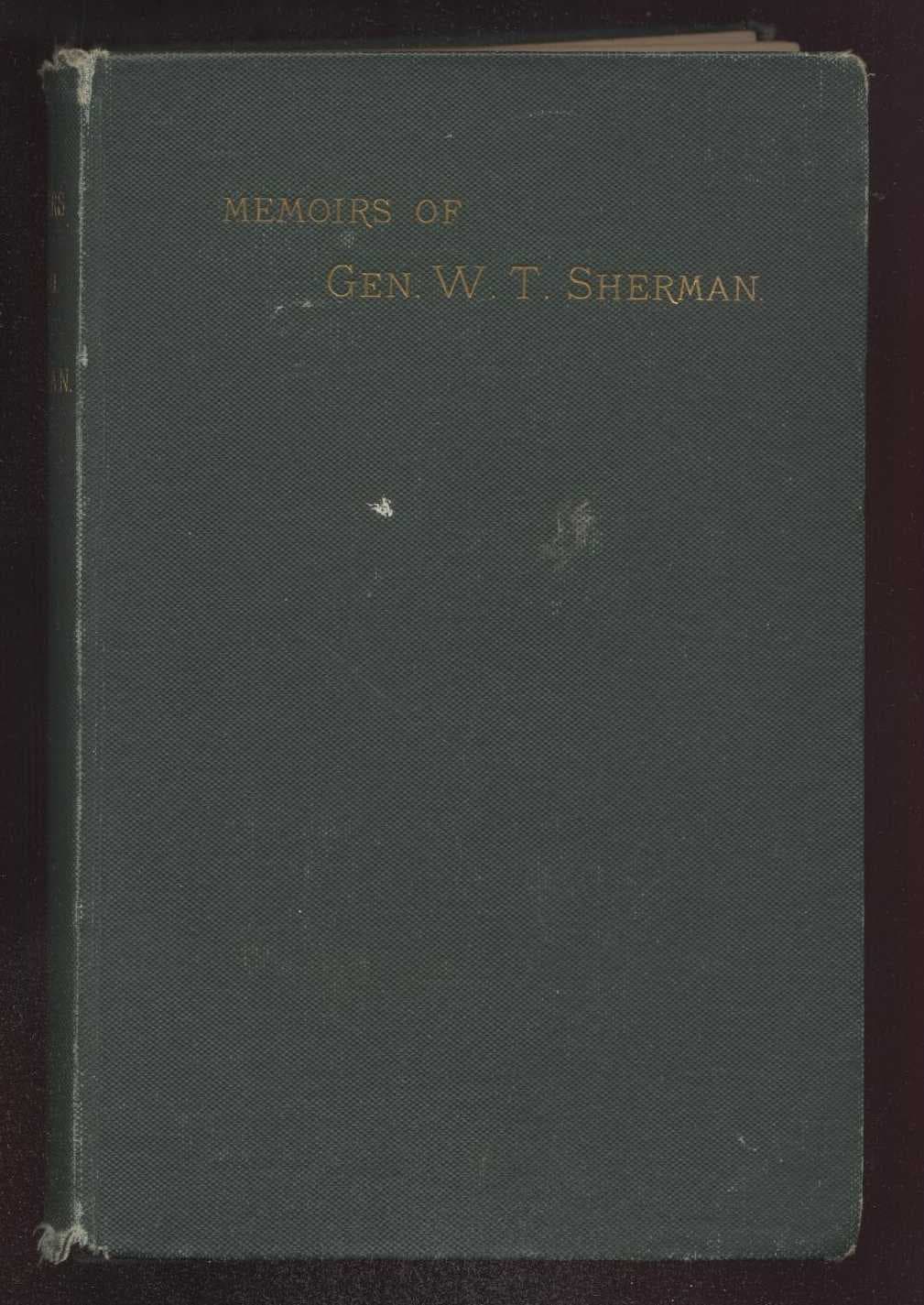
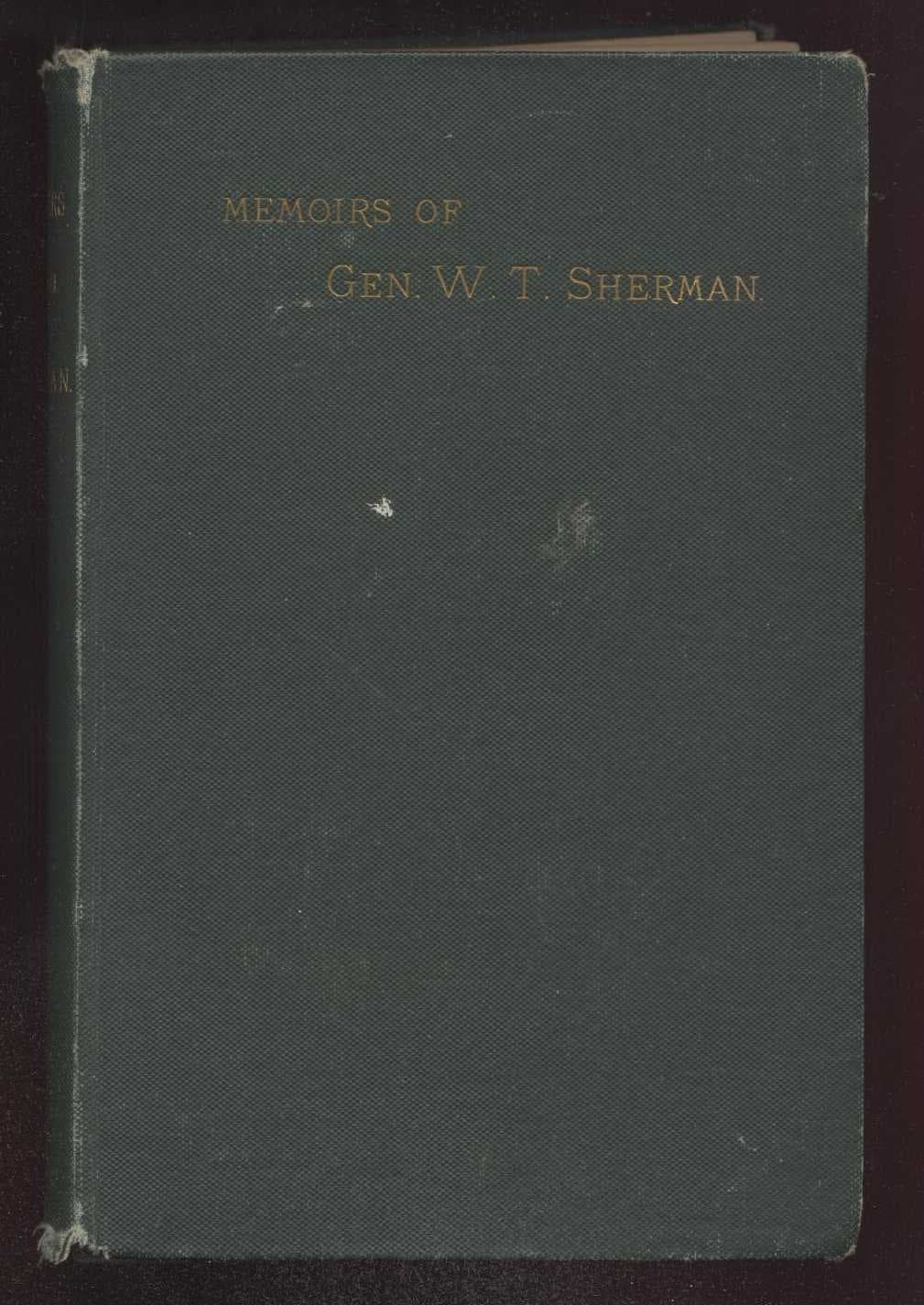
Sherman’s Military Lessons Of The American Civil War, From His Memoirs
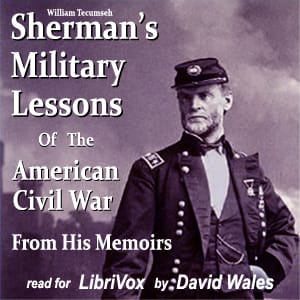
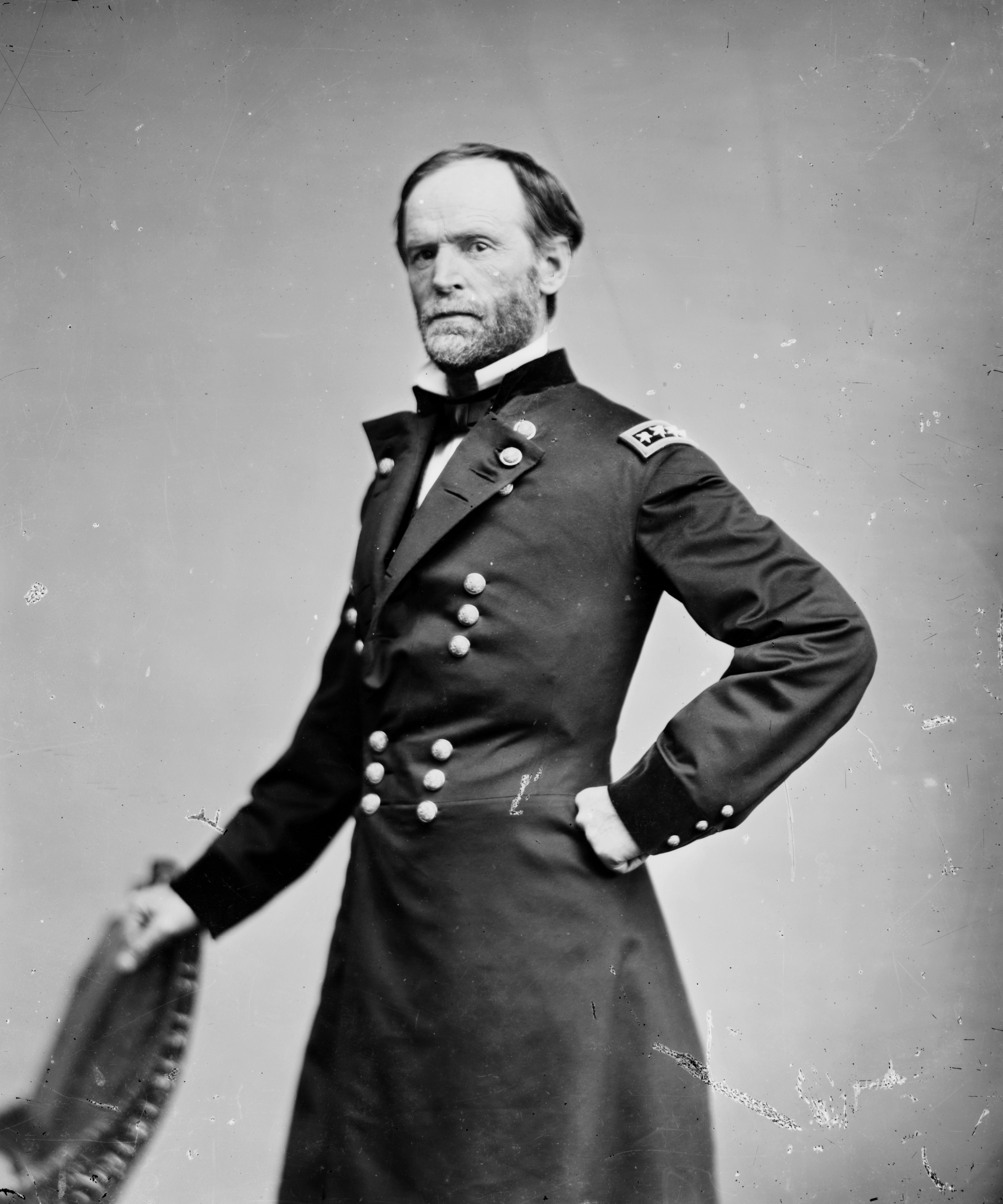
William Tecumseh Sherman saw war as few of his contemporaries did. In this concluding chapter from his landmark 1875 Memoirs, the Union general distills the hard-won lessons of four years of brutal conflict into a meditation on strategy, logistics, and the nature of command. Sherman wasn't just fighting a war; he was reinventing how wars could be fought. His March to the Sea wasn't merely a military campaign but a statement: modern warfare demanded speed, supply-line mastery, and psychological pressure that previous generations couldn't have imagined. British military theorist B.H. Liddell Hart would later call Sherman 'the first modern general,' and reading these pages, it's easy to see why. Here is a man who understood that victory belonged not to the army with the most horses or the finest uniforms, but to the one that could think fastest and strike hardest. These are the thoughts of a general who refused to romanticize war, who saw it as a brutal craft to be perfected. Over a century later, military strategists still study his methods.
Editions

Link to this book
Add a free, dofollow link to Lex on your blog, forum, syllabus, or reading list.

<a href="https://lex-books.com/book/sherman-s-military-lessons-of-the-american-civil-war-from-his-memoirs-09f78158-85d9-4b1d-b5e6-a7d9714bd5a7"><img src="https://lex-books.com/badges/read-on-lex.svg" alt="Read Sherman’s Military Lessons Of The American Civil War, From His Memoirs by William T. Sherman free on Lex" width="160" height="40"></a>[](https://lex-books.com/book/sherman-s-military-lessons-of-the-american-civil-war-from-his-memoirs-09f78158-85d9-4b1d-b5e6-a7d9714bd5a7)[url=https://lex-books.com/book/sherman-s-military-lessons-of-the-american-civil-war-from-his-memoirs-09f78158-85d9-4b1d-b5e6-a7d9714bd5a7][img]https://lex-books.com/badges/read-on-lex.svg[/img][/url]Read Sherman’s Military Lessons Of The American Civil War, From His Memoirs by William T. Sherman free on Lex: https://lex-books.com/book/sherman-s-military-lessons-of-the-american-civil-war-from-his-memoirs-09f78158-85d9-4b1d-b5e6-a7d9714bd5a7Cite this book
Reading this edition for a paper or guide? Copy a citation.
Sherman, William T.. Sherman’s Military Lessons Of The American Civil War, From His Memoirs. Lex, lex-books.com/book/sherman-s-military-lessons-of-the-american-civil-war-from-his-memoirs-09f78158-85d9-4b1d-b5e6-a7d9714bd5a7.Sherman, W. T. (n.d.). Sherman’s Military Lessons Of The American Civil War, From His Memoirs. Lex. https://lex-books.com/book/sherman-s-military-lessons-of-the-american-civil-war-from-his-memoirs-09f78158-85d9-4b1d-b5e6-a7d9714bd5a7Sherman, William T.. Sherman’s Military Lessons Of The American Civil War, From His Memoirs. Lex. https://lex-books.com/book/sherman-s-military-lessons-of-the-american-civil-war-from-his-memoirs-09f78158-85d9-4b1d-b5e6-a7d9714bd5a7.