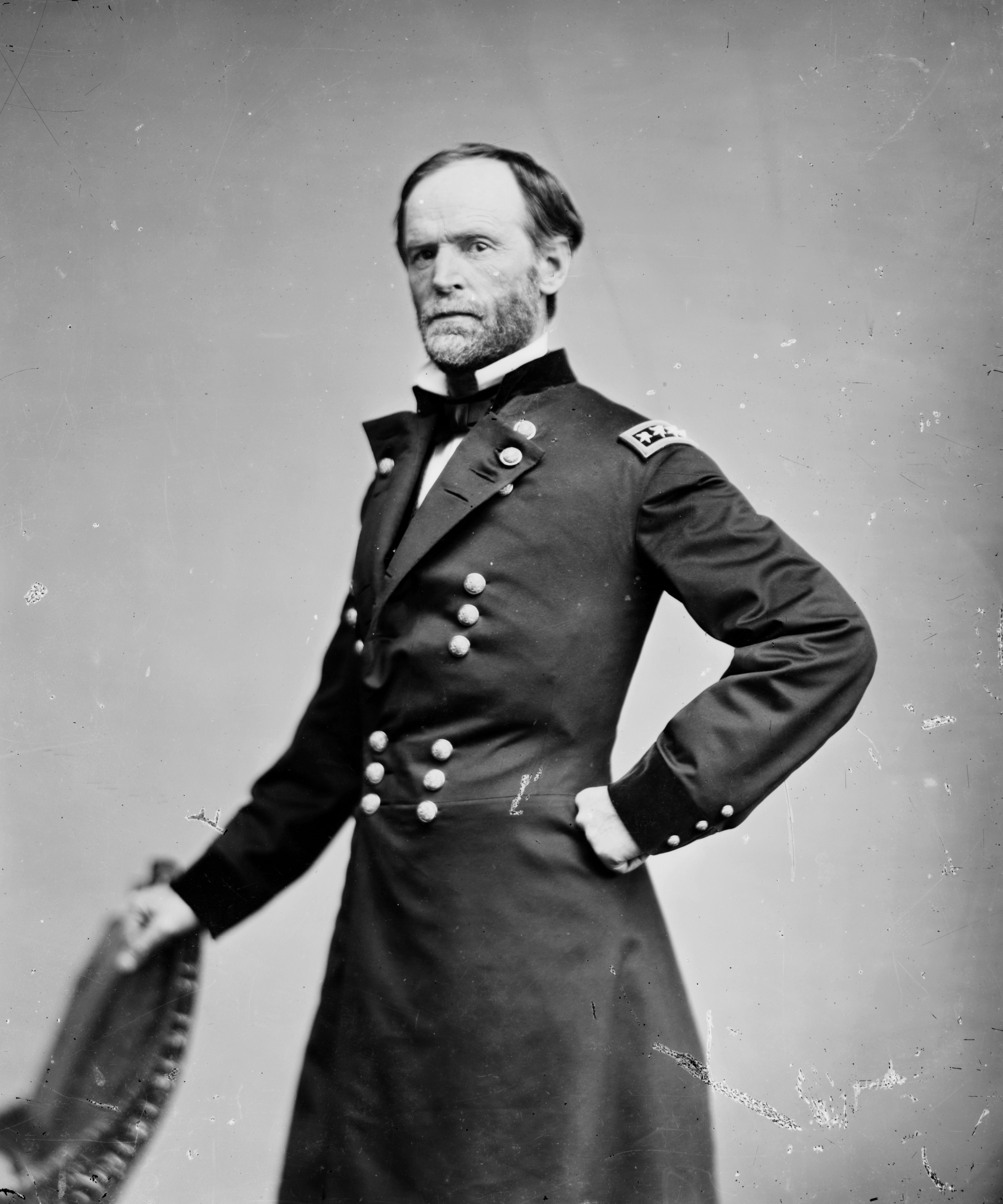
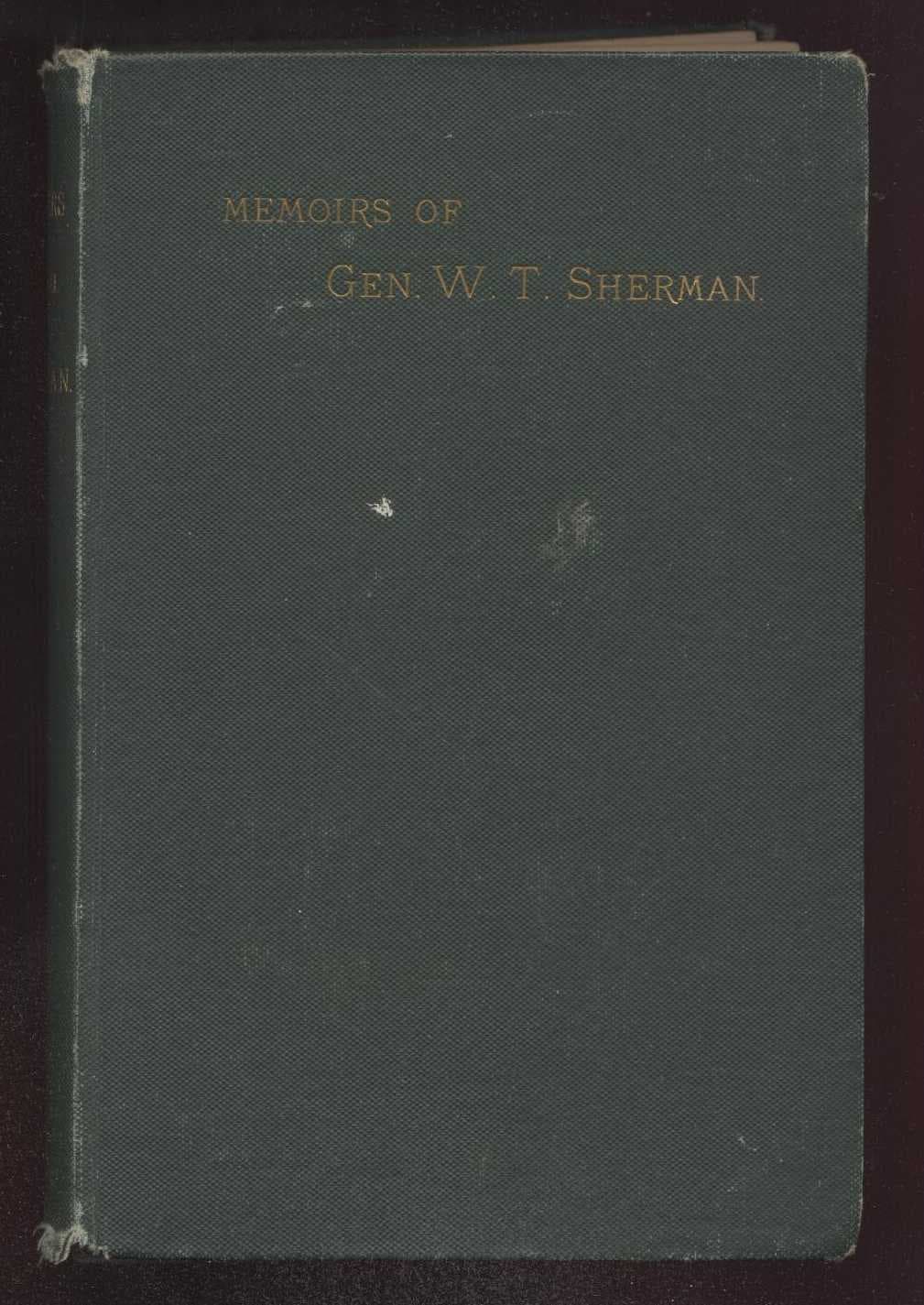
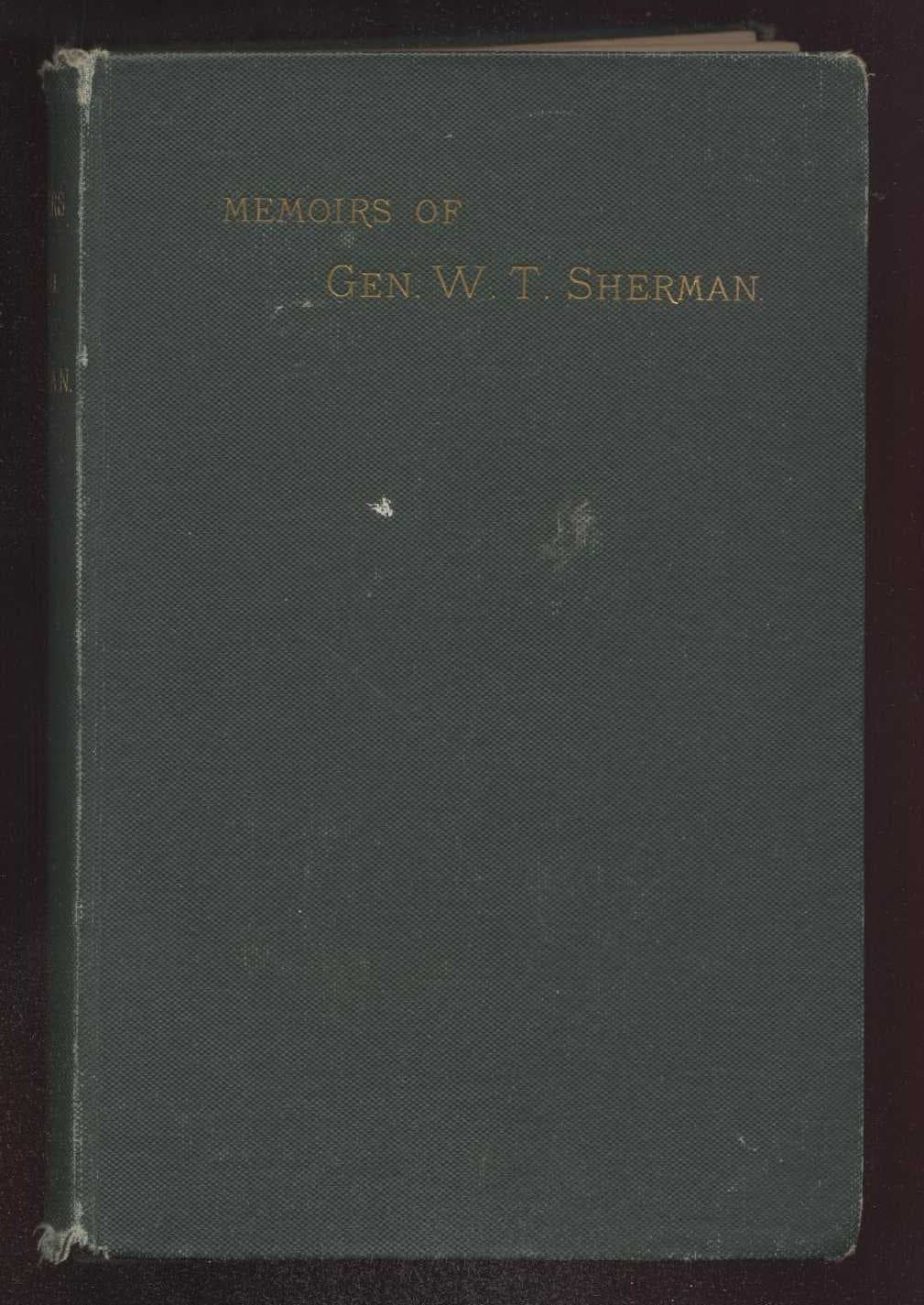
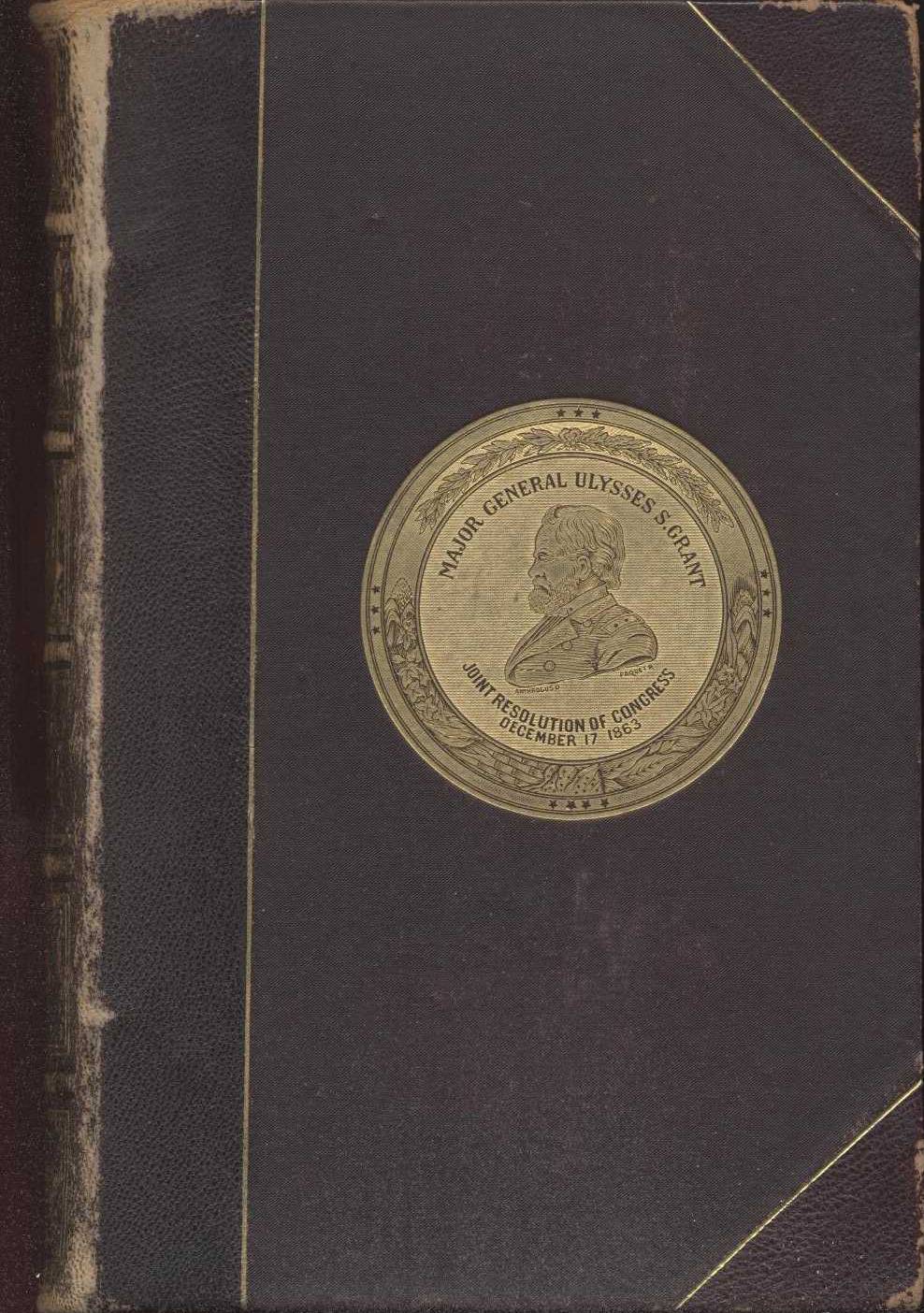
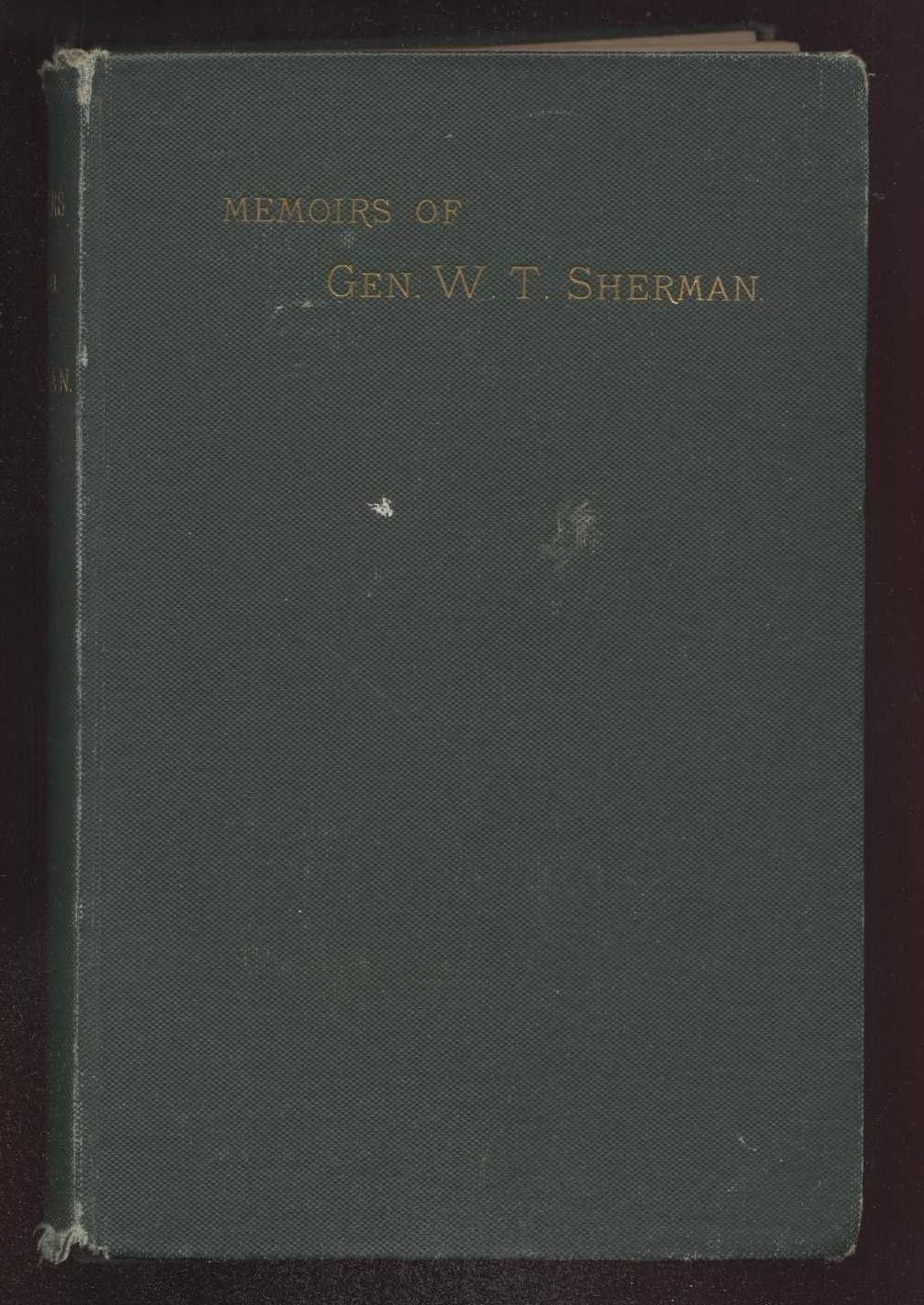
Memoirs of General William T. Sherman — Complete
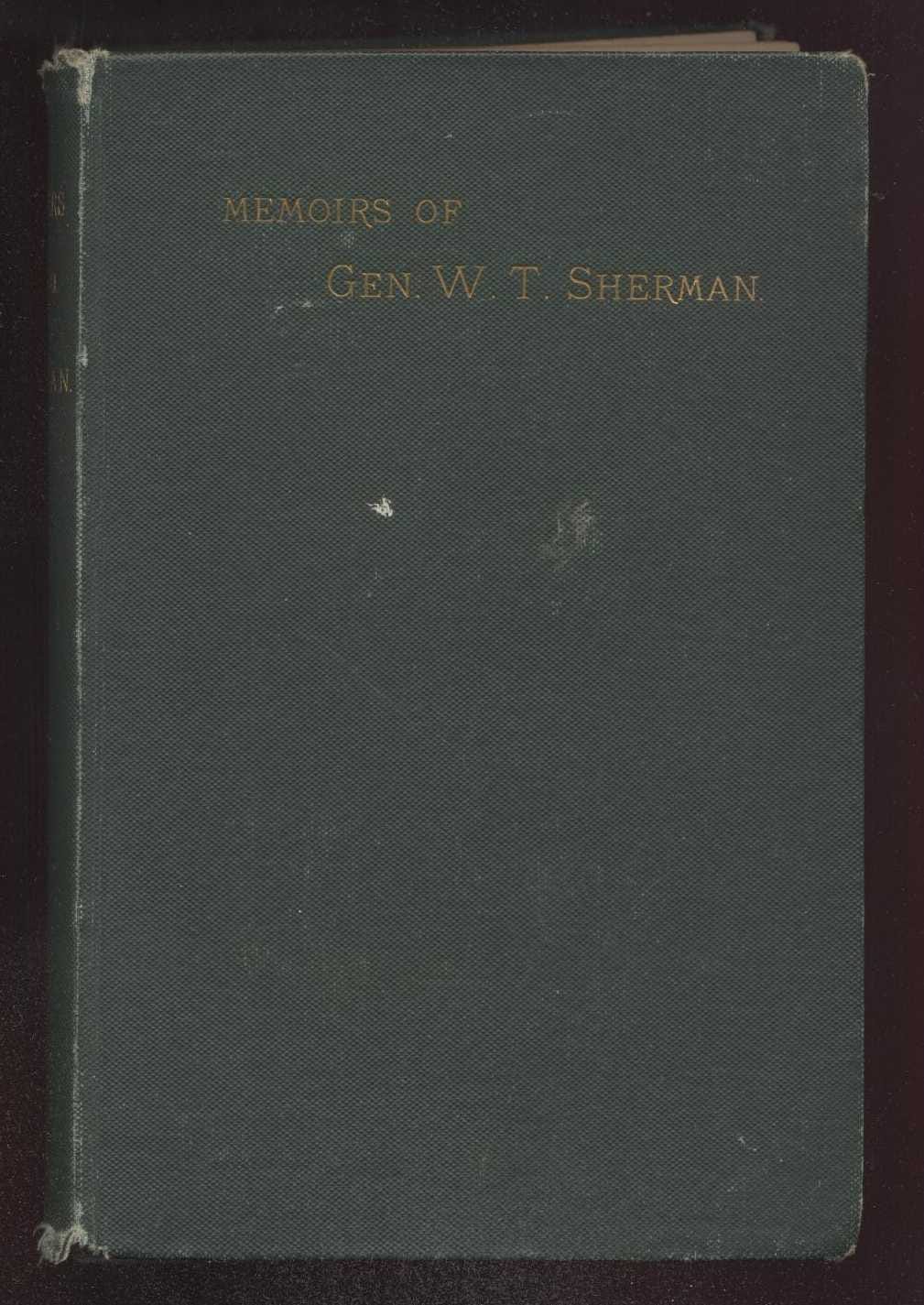
Memoirs of General William T. Sherman — Complete
William Tecumseh Sherman refused to fight wars the way generals were supposed to. In these vivid, unsentimental memoirs, he recounts his transformation from a restless Ohio boy who bounced between the old South and the new West into the general who fundamentally altered how America understood warfare. The memoir traces his early years among the Vigilance Committees and banking panics of a nation careening toward rupture, then follows him through the Civil War's pivotal moments: Shiloh, where he rediscovered his nerve; Vicksburg and Chattanooga, where he proved indispensable to Grant; and finally the Atlanta campaign and the infamous March to the Sea, where he demonstrated that victory demanded striking not just armies but the very will to resist. Sherman's prose crackles with the same intelligence and ruthlessness that made him both worshipped and reviled. He offers no apologies for the suffering his 'hard war' inflicted, yet these pages reveal a more complicated figure than his reputation suggests: a conservative haunted by the anarchy of secession, a warrior who loved the South even as he burned it, and a strategist who understood that modern war demands total commitment. This is indispensable primary source material, written by a man who shaped history and knew he was writing for posterity.
Editions
X-Ray
“You cannot qualify war in harsher terms than I will. War is cruelty, and you cannot refine it; and those who brought war into our country deserve all the curses and maledictions a people can pour out. I know I had no hand in making this war, and I know I will make more sacrifices to-day than any of you to secure peace.””
— William T. Sherman
“You might as well appeal against the thunder-storm as against these terrible hardships of war. They are inevitable, and the only way the people of Atlanta can hope once more to live in peace and quiet at home, is to stop the war, which can only be done by admitting that it began in error and is perpetuated in pride.””
— William T. Sherman
“War is cruelty. You can't refine it.””
— William T. Sherman
“I have for some days held and controlled every avenue by which the people and garrison of Savannah can be supplied, and I am therefore justified in demanding the surrender of the city…I am prepared to grant liberal terms to the inhabitants and garrison; but should I be forced to resort to assault, or the slower and surer process of starvation, I shall then feel justified in resorting to the harshest measures, and shall make little effort to restrain my army”
— William T. Sherman
“This officer forced his way through the crowd to the carriage, and said: “Mr. President, I have a cause of grievance. This morning I went to speak to Colonel Sherman, and he threatened to shoot me.” Mr. Lincoln, who was still standing, said, “Threatened to shoot you?” “Yes, sir, he threatened to shoot me.” Mr. Lincoln looked at him, then at me, and stooping his tall, spare form toward the officer, said to him in a loud stage-whisper, easily heard for some yards around: “Well, if I were you, and he threatened to shoot, I would not trust him, for I believe he would do it.” The officer turned about and disappeared, and the men laughed at him.””
— William T. Sherman
“War is cruelty. There is no use trying to reform it. The crueler it is, the sooner it will be over.””
— William T. Sherman
“I returning South on horseback, by Rome, Allatoona, Marietta, Atlanta, and Madison, Georgia. Stockton stopped at Marietta, where he resided. Hammond took the cars at Madison, and I rode alone to Augusta, Georgia, where I left the horse and returned to Charleston and Fort Moultrie by rail. Thus by a mere accident I was enabled to traverse on horseback the very ground where in after-years I had to conduct vast armies and fight great battles. That the knowledge thus acquired was of infinite use to me, and consequently to the government, I have always felt””
— William T. Sherman
“General Taylor participated in the celebration of the Fourth of July, a very hot day, by hearing a long speech from the Hon. Henry S. Foote, at the base of the Washington Monument. Returning from the celebration much heated and fatigued, he partook too freely of his favorite iced milk with cherries, and during that night was seized with a severe colic, which by morning had quite prostrated him. It was said that he sent for his son-in-law, Surgeon Wood, United States Army, stationed in Baltimore, and declined medical assistance from anybody else. Mr. Ewing visited him several times, and was manifestly uneasy and anxious, as was also his son-in-law, Major Bliss, then of the army, and his confidential secretary. He rapidly grew worse, and died in about four days.””
— William T. Sherman
“we saw something swimming in the water, and pulled toward it, thinking it a coyote; but we soon recognized a large grizzly bear, swimming directly across the channel. Not having any weapon, we hurriedly pulled for the schooner, calling out, as we neared it, “A bear! a bear!” It so happened that Major Miller was on deck, washing his face and hands. He ran rapidly to the bow of the vessel, took the musket from the hands of the sentinel, and fired at the bear, as he passed but a short distance ahead of the schooner. The bear rose, made a growl or howl, but continued his course. As we scrambled up the port-aide to get our guns, the mate, with a crew, happened to have a boat on the starboard-aide, and, armed only with a hatchet, they pulled up alongside the bear, and the mate struck him in the head with the hatchet. The bear turned, tried to get into the boat, but the mate struck his claws with repeated blows, and made him let go. After several passes with him, the mate actually killed the bear, got a rope round him, and towed him alongside the schooner, where he was hoisted on deck. The carcass weighed over six hundred pounds. It was found that Major Miller’s shot had struck the bear in the lower jaw, and thus disabled him. Had it not been for this, the bear would certainly have upset the boat and drowned all in it. As it was, however, his meat served us a good turn in our trip up to Stockton.””
— William T. Sherman
Link to this book
Add a free, dofollow link to Lex on your blog, forum, syllabus, or reading list.

<a href="https://lex-books.com/book/memoirs-of-general-william-t-sherman-complete-2384c58a-e731-4ac2-996a-ab94f161a01a"><img src="https://lex-books.com/badges/read-on-lex.svg" alt="Read Memoirs of General William T. Sherman — Complete by William T. Sherman free on Lex" width="160" height="40"></a>[](https://lex-books.com/book/memoirs-of-general-william-t-sherman-complete-2384c58a-e731-4ac2-996a-ab94f161a01a)[url=https://lex-books.com/book/memoirs-of-general-william-t-sherman-complete-2384c58a-e731-4ac2-996a-ab94f161a01a][img]https://lex-books.com/badges/read-on-lex.svg[/img][/url]Read Memoirs of General William T. Sherman — Complete by William T. Sherman free on Lex: https://lex-books.com/book/memoirs-of-general-william-t-sherman-complete-2384c58a-e731-4ac2-996a-ab94f161a01aCite this book
Reading this edition for a paper or guide? Copy a citation.
Sherman, William T.. Memoirs of General William T. Sherman — Complete. Lex, lex-books.com/book/memoirs-of-general-william-t-sherman-complete-2384c58a-e731-4ac2-996a-ab94f161a01a.Sherman, W. T. (n.d.). Memoirs of General William T. Sherman — Complete. Lex. https://lex-books.com/book/memoirs-of-general-william-t-sherman-complete-2384c58a-e731-4ac2-996a-ab94f161a01aSherman, William T.. Memoirs of General William T. Sherman — Complete. Lex. https://lex-books.com/book/memoirs-of-general-william-t-sherman-complete-2384c58a-e731-4ac2-996a-ab94f161a01a.