Sherman's March To The Sea, And The Burning Of Columbia, South Carolina, From His Memoirs

Sherman's March To The Sea, And The Burning Of Columbia, South Carolina, From His Memoirs
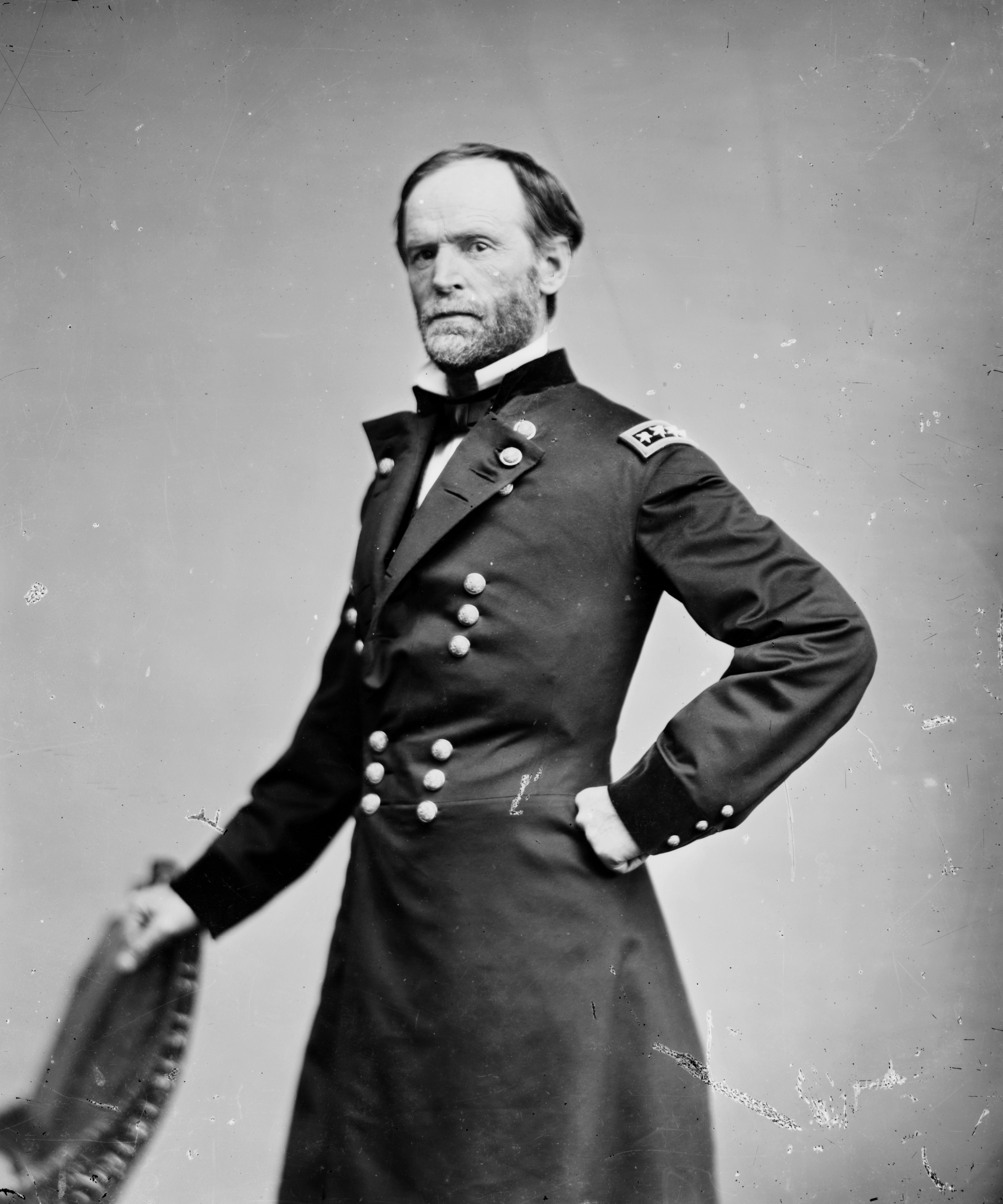
General William Tecumseh Sherman didn't write history. He made it. And in these pages, he tells it in his own sharp, unsentimental voice. The March to the Sea remains one of the most controversial campaigns in American military history: sixty thousand Union soldiers cutting a path of destruction through Georgia, from the smoking ruins of Atlanta to the port of Savannah, captured and delivered to Lincoln as a Christmas gift in 1864. Sherman understood something fundamental about modern war that his contemporaries barely grasped: war isn't just armies fighting. It's systems breaking. Here, in his own memoirs, you encounter the man himself defending his decisions, explaining his logic, and inadvertently revealing the moral complexity of 'hard war' waged against civilian infrastructure. The burning of Columbia remains disputed to this day, and Sherman gives his account with the blunt confidence of a general who believed he was saving lives by shortening the war. This is primary source history at its most visceral: not polished monuments, but the raw, unrepentant voice of the man who broke the Confederacy's back.
Editions

Link to this book
Add a free, dofollow link to Lex on your blog, forum, syllabus, or reading list.

<a href="https://lex-books.com/book/sherman-s-march-to-the-sea-and-the-burning-of-columbia-south-carolina-from-his-m-24006f70-c350-47c8-9451-3cc73a9544a8"><img src="https://lex-books.com/badges/read-on-lex.svg" alt="Read Sherman's March To The Sea, And The Burning Of Columbia, South Carolina, From His Memoirs by William T. Sherman free on Lex" width="160" height="40"></a>[](https://lex-books.com/book/sherman-s-march-to-the-sea-and-the-burning-of-columbia-south-carolina-from-his-m-24006f70-c350-47c8-9451-3cc73a9544a8)[url=https://lex-books.com/book/sherman-s-march-to-the-sea-and-the-burning-of-columbia-south-carolina-from-his-m-24006f70-c350-47c8-9451-3cc73a9544a8][img]https://lex-books.com/badges/read-on-lex.svg[/img][/url]Read Sherman's March To The Sea, And The Burning Of Columbia, South Carolina, From His Memoirs by William T. Sherman free on Lex: https://lex-books.com/book/sherman-s-march-to-the-sea-and-the-burning-of-columbia-south-carolina-from-his-m-24006f70-c350-47c8-9451-3cc73a9544a8Cite this book
Reading this edition for a paper or guide? Copy a citation.
Sherman, William T.. Sherman's March To The Sea, And The Burning Of Columbia, South Carolina, From His Memoirs. Lex, lex-books.com/book/sherman-s-march-to-the-sea-and-the-burning-of-columbia-south-carolina-from-his-m-24006f70-c350-47c8-9451-3cc73a9544a8.Sherman, W. T. (n.d.). Sherman's March To The Sea, And The Burning Of Columbia, South Carolina, From His Memoirs. Lex. https://lex-books.com/book/sherman-s-march-to-the-sea-and-the-burning-of-columbia-south-carolina-from-his-m-24006f70-c350-47c8-9451-3cc73a9544a8Sherman, William T.. Sherman's March To The Sea, And The Burning Of Columbia, South Carolina, From His Memoirs. Lex. https://lex-books.com/book/sherman-s-march-to-the-sea-and-the-burning-of-columbia-south-carolina-from-his-m-24006f70-c350-47c8-9451-3cc73a9544a8.