Rights Of Man

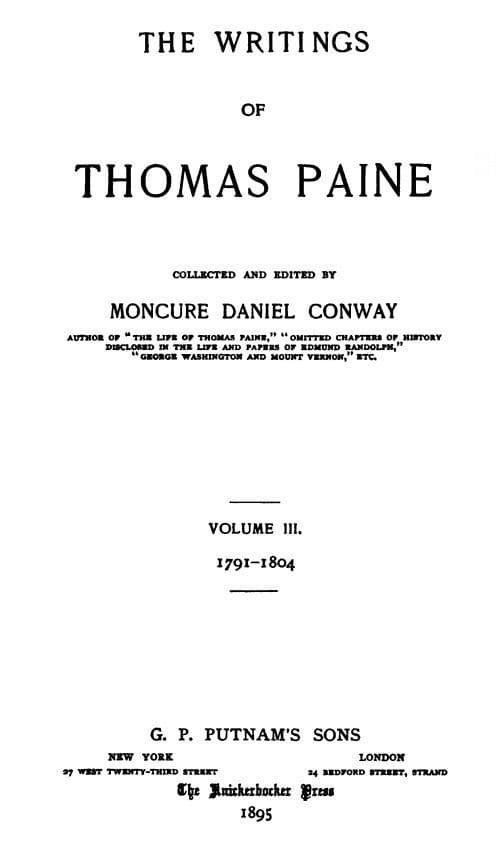
In 1791, a working-class Englishman with no formal education published a book that would terrify kings and inspire revolutions across two continents. Thomas Paine's Rights of Man is a furious,锋利的 reply to Edmund Burke's condemnation of the French Revolution, and in it Paine does something unprecedented: he argues for human rights in language that ordinary people can understand. No classical references, no Latin quotations, just plain English making the radical case that all men are born equal, that monarchy is a historical fraud, and that governments exist only to protect the rights of the governed. Part One dismantles the mythology of hereditary rule with relentless logic and dry wit. Part Two sketches a vision of constitutional government and social welfare that would not become reality for generations. The book made Paine a hunted man, imprisoned in France and saved from the guillotine only by the fall of Robespierre. Two hundred and thirty years later, when debates about the nature of liberty, the legitimacy of power, and the rights of citizens still rage, Paine's explosive manifesto remains essential reading. It is not a dusty historical artifact but a living argument about who deserves power and why.
Editions

Read by
Group Narration
2 readers
Michele Fry, Edward Kirkby
Link to this book
Add a free, dofollow link to Lex on your blog, forum, syllabus, or reading list.

<a href="https://lex-books.com/book/rights-of-man-041d34ed-f807-4af0-820c-f18fde27a216"><img src="https://lex-books.com/badges/read-on-lex.svg" alt="Read Rights Of Man by Thomas Paine free on Lex" width="160" height="40"></a>[](https://lex-books.com/book/rights-of-man-041d34ed-f807-4af0-820c-f18fde27a216)[url=https://lex-books.com/book/rights-of-man-041d34ed-f807-4af0-820c-f18fde27a216][img]https://lex-books.com/badges/read-on-lex.svg[/img][/url]Read Rights Of Man by Thomas Paine free on Lex: https://lex-books.com/book/rights-of-man-041d34ed-f807-4af0-820c-f18fde27a216Cite this book
Reading this edition for a paper or guide? Copy a citation.
Paine, Thomas. Rights Of Man. Lex, lex-books.com/book/rights-of-man-041d34ed-f807-4af0-820c-f18fde27a216.Paine, T. (n.d.). Rights Of Man. Lex. https://lex-books.com/book/rights-of-man-041d34ed-f807-4af0-820c-f18fde27a216Paine, Thomas. Rights Of Man. Lex. https://lex-books.com/book/rights-of-man-041d34ed-f807-4af0-820c-f18fde27a216.