Ricordi Di Parigi
1879
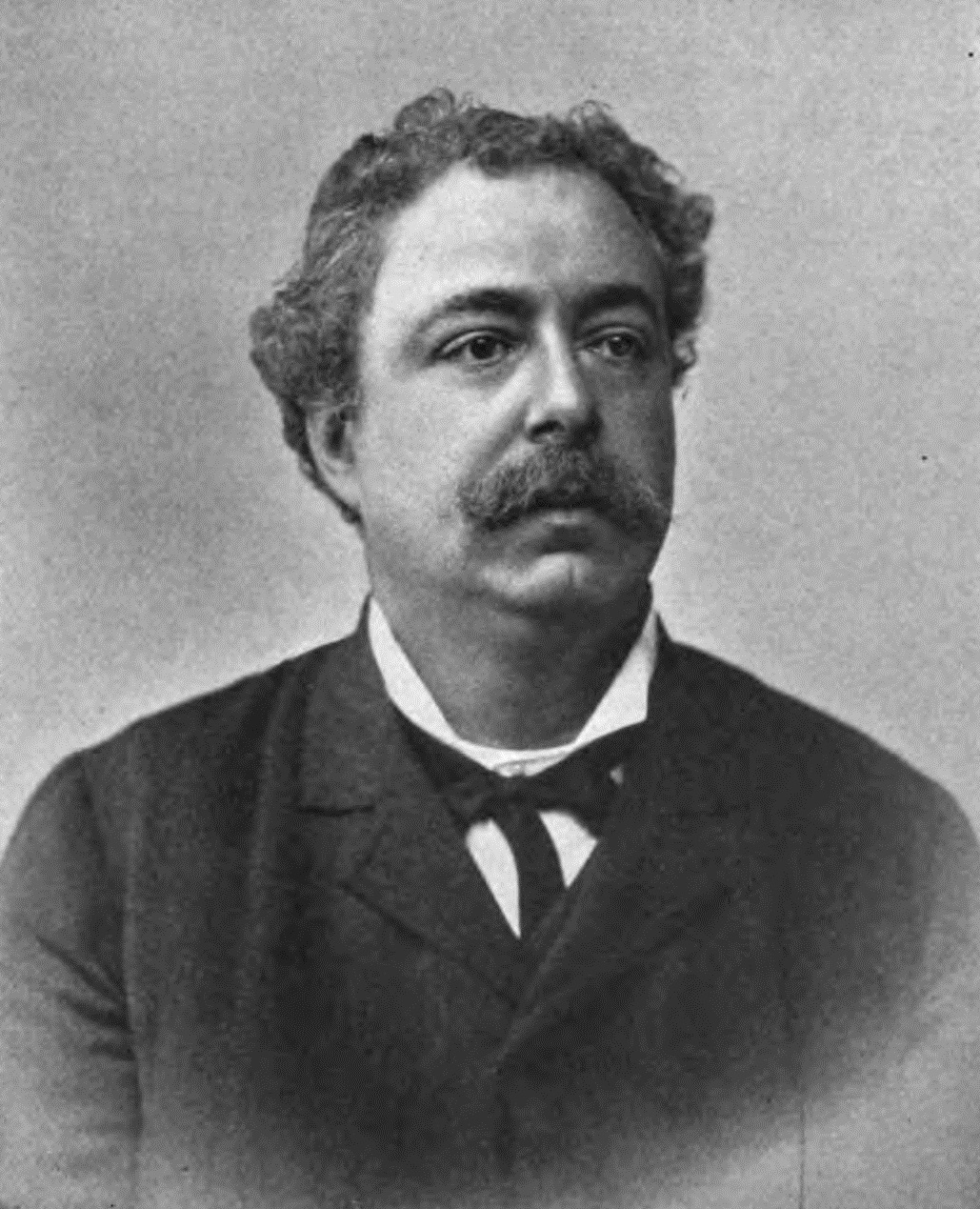
De Amicis was a keen observer of everyday life, and this travel narrative captures the magic of arriving in Paris as if for the first time. Written in 1879, it presents the city not as a catalog of monuments but as a living organism, teeming with humanity, sensory detail, and the particular tenderness of someone returning to a place they love. His eye catches everything: the carriage drivers, the boulevards at dusk, the cafe life, the strangers who become fleeting characters in his account. The prose has the unhurried quality of pre-modern travel, before tourism became an industry, when a writer could still discover a city on foot and make that discovery feel personal and precious. The book is structured around his return after a previous extended stay, giving the narrative an undercurrent of nostalgia and reunion. He describes the slight apprehension of navigating a vast metropolis, the exhilaration of its streets, the humor in his and his companion's attempts to secure a carriage despite their unassuming appearance. This is Paris through the eyes of a writer who finds the extraordinary in the ordinary, who treats a city like a living thing to be encountered, not just seen. For lovers of classical travel writing who want the 19th century in all its intimate, wandering glory.
Editions
X-Ray
“Non c'è nessuno di noi, certamente, che non si ricordi dei giorni in cui divorò, giovanetto, i primi volumi dell'Hugo che gli caddero fra le mani. È stata senza dubbio per tutti una emozione nuova, profonda, confusa, indimenticabile. Tutti ci siamo, domandati tratto tratto, interrompendo la lettura: - Che uomo è costui? - Nello stesso tempo dolce e tremendo, fantastico e profondo, insensato e sublime, egli mette accanto a una stramberia retorica che rivolta, la rivelazione d'una grande verità che fa dare un grido di stupore. Colla stessa potenza ci fa sentire la dolcezza del bacio di due amanti e l'orrore di un delitto. È ingenuo come un fanciullo, è truce come un uomo di sangue, è affettuoso come una donna, è mistico come un profeta, è violento come un oratore della Convenzione, è triste come un uomo senz'affetti e senza speranze. In cento pagine ci mostra cento faccie. Egli sa esprimere tutto: sensazioni vaghe dell'infanzia, su cui s'era mille volte tormentato invano il nostro pensiero; i primi inesplicabili turbamenti amorosi della pubertà, le lotte più intime del cuore della fanciulla e della coscienza dell'assassino; profondità segrete dell'anima, che sentivamo in noi, ma in cui l'occhio della nostra mente non era mai penetrato; sfumature di sentimenti che credevamo ribelli al linguaggio umano. Egli abbraccia colla mente tutto l'universo. Ha, se si può dire, due anime che spaziano contemporaneamente in due mondi, e ogni opera sua porta l'impronta di questa sua doppia natura””
— Edmondo De Amicis
Link to this book
Add a free, dofollow link to Lex on your blog, forum, syllabus, or reading list.

<a href="https://lex-books.com/book/ricordi-di-parigi-5f03efd2-9171-47ca-bb6a-aa8fae00fb11"><img src="https://lex-books.com/badges/read-on-lex.svg" alt="Read Ricordi Di Parigi by Edmondo De Amicis free on Lex" width="160" height="40"></a>[](https://lex-books.com/book/ricordi-di-parigi-5f03efd2-9171-47ca-bb6a-aa8fae00fb11)[url=https://lex-books.com/book/ricordi-di-parigi-5f03efd2-9171-47ca-bb6a-aa8fae00fb11][img]https://lex-books.com/badges/read-on-lex.svg[/img][/url]Read Ricordi Di Parigi by Edmondo De Amicis free on Lex: https://lex-books.com/book/ricordi-di-parigi-5f03efd2-9171-47ca-bb6a-aa8fae00fb11Cite this book
Reading this edition for a paper or guide? Copy a citation.
Amicis, Edmondo De. Ricordi Di Parigi. Lex, lex-books.com/book/ricordi-di-parigi-5f03efd2-9171-47ca-bb6a-aa8fae00fb11.Amicis, E. D. (1879). Ricordi Di Parigi. Lex. https://lex-books.com/book/ricordi-di-parigi-5f03efd2-9171-47ca-bb6a-aa8fae00fb11Amicis, Edmondo De. Ricordi Di Parigi. Lex. https://lex-books.com/book/ricordi-di-parigi-5f03efd2-9171-47ca-bb6a-aa8fae00fb11.