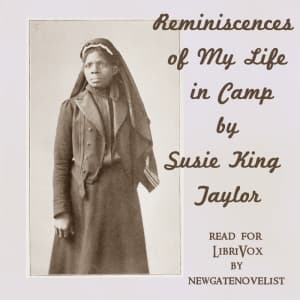
Reminiscences of My Life in Camp with the 33d United States Colored Troops, Late 1st S. C. Volunteers
1902
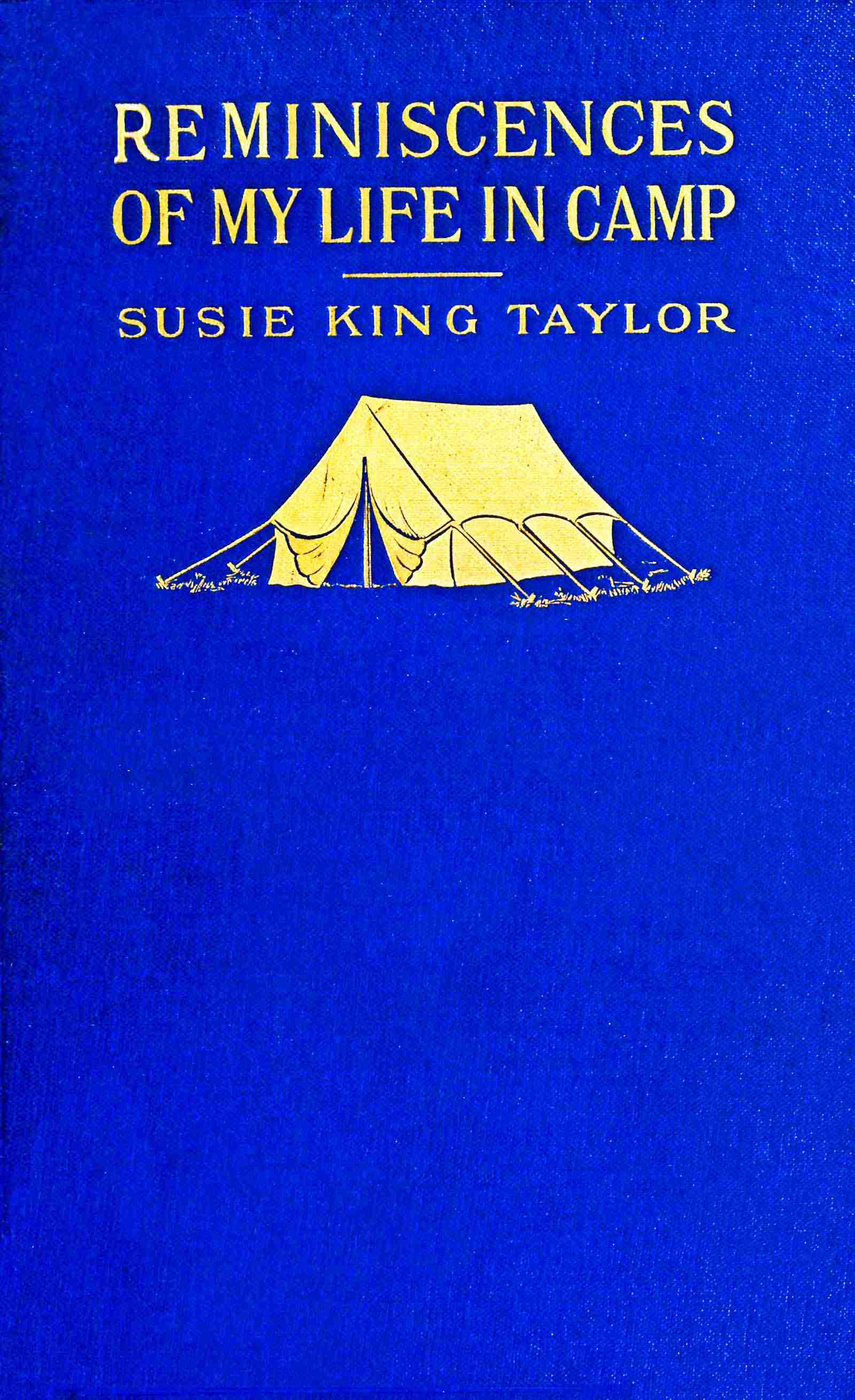
Reminiscences of My Life in Camp with the 33d United States Colored Troops, Late 1st S. C. Volunteers
1902
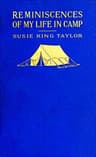
Published in 1902, 'Reminiscences of My Life in Camp' is a memoir by Susie King Taylor, an African American woman who served as a laundress and nurse with the 33rd United States Colored Troops during the Civil War. Taylor recounts her experiences and the contributions of Black soldiers, highlighting the intersection of race, gender, and military service. Her narrative provides a unique perspective on the challenges faced by African Americans during the war and is notable for its firsthand account of a Black woman's role in a segregated military context, making it a significant contribution to Civil War literature and women's history.
Editions
X-Ray
“It seemed very hard, when his father fought to protect the Union and our flag, and yet his boy was denied, under this same flag, a berth to carry him home to die, because he was a negro.””
— Susie King Taylor
“There are many people who do not know what some of the colored women did during the war. There were hundreds of them who assisted the Union soldiers by hiding them and helping them to escape.””
— Susie King Taylor
“In this "land of the free" we are burned, tortured, and denied a fair trial, murdered for any imaginary wrong conceived in the brain of the negro-hating white man. There is no redress for us from a government which promised to protect all under its flag.””
— Susie King Taylor
“For long and weary months, without pay or even the privilege of being recognized as soldiers, you labored on, only to be disbanded and sent to your homes without even a hope of reward, and””
— Susie King Taylor
“On the 9th day of May, 1862, at which time there were nearly four millions of your race in bondage, sanctioned by the laws of the land and protected by our flag,--on that day, in the face of the floods of prejudice that well-nigh deluged every avenue to manhood and true liberty, you came forth to do battle for your country and kindred.””
— Susie King Taylor
“For three or four days the men fought the fire, saving the property and effects of the people, yet these white men and women could not tolerate our black Union soldiers, for many of them had formerly been their slaves; and although these brave men risked life and limb to assist them in their distress, men and even women would sneer and molest them whenever they met them.””
— Susie King Taylor
Link to this book
Add a free, dofollow link to Lex on your blog, forum, syllabus, or reading list.

<a href="https://lex-books.com/book/reminiscences-of-my-life-in-camp-with-the-33d-united-states-colored-troops-late--e2a93372-1bbe-4229-88d4-e49e735d4a71"><img src="https://lex-books.com/badges/read-on-lex.svg" alt="Read Reminiscences of My Life in Camp with the 33d United States Colored Troops, Late 1st S. C. Volunteers by Susie King Taylor free on Lex" width="160" height="40"></a>[](https://lex-books.com/book/reminiscences-of-my-life-in-camp-with-the-33d-united-states-colored-troops-late--e2a93372-1bbe-4229-88d4-e49e735d4a71)[url=https://lex-books.com/book/reminiscences-of-my-life-in-camp-with-the-33d-united-states-colored-troops-late--e2a93372-1bbe-4229-88d4-e49e735d4a71][img]https://lex-books.com/badges/read-on-lex.svg[/img][/url]Read Reminiscences of My Life in Camp with the 33d United States Colored Troops, Late 1st S. C. Volunteers by Susie King Taylor free on Lex: https://lex-books.com/book/reminiscences-of-my-life-in-camp-with-the-33d-united-states-colored-troops-late--e2a93372-1bbe-4229-88d4-e49e735d4a71Cite this book
Reading this edition for a paper or guide? Copy a citation.
Taylor, Susie King. Reminiscences of My Life in Camp with the 33d United States Colored Troops, Late 1st S. C. Volunteers. Lex, lex-books.com/book/reminiscences-of-my-life-in-camp-with-the-33d-united-states-colored-troops-late--e2a93372-1bbe-4229-88d4-e49e735d4a71.Taylor, S. K. (1902). Reminiscences of My Life in Camp with the 33d United States Colored Troops, Late 1st S. C. Volunteers. Lex. https://lex-books.com/book/reminiscences-of-my-life-in-camp-with-the-33d-united-states-colored-troops-late--e2a93372-1bbe-4229-88d4-e49e735d4a71Taylor, Susie King. Reminiscences of My Life in Camp with the 33d United States Colored Troops, Late 1st S. C. Volunteers. Lex. https://lex-books.com/book/reminiscences-of-my-life-in-camp-with-the-33d-united-states-colored-troops-late--e2a93372-1bbe-4229-88d4-e49e735d4a71.