Records of the Spanish Inquisition, Translated from the Original Manuscripts
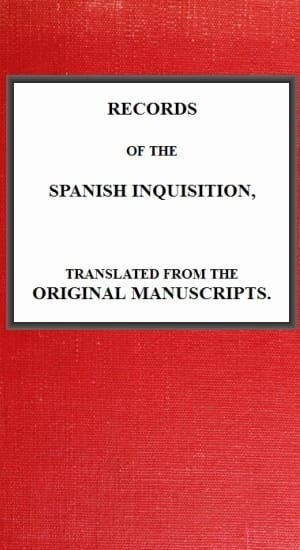
Records of the Spanish Inquisition, Translated from the Original Manuscripts
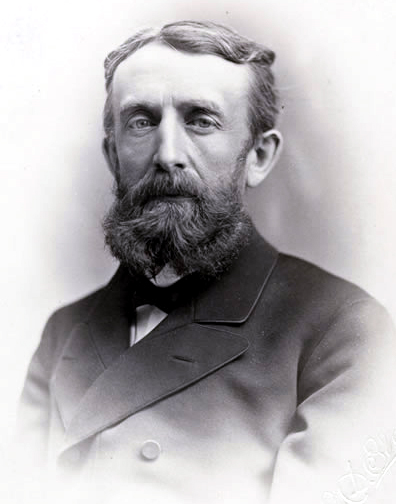
In the sweltering summer of 1820, the people of Barcelona rose up and stormed the Palace of the Inquisition. They freed its prisoners and sent thousands of documents fluttering into the streets like white birds escaping a cage. Andrew Dickson White spent years gathering these scattered pages, translating them for the first time into English, and the result is something far more unsettling than any fiction: a precise, bureaucratic record of how ordinary people were destroyed for the crime of eating pork, of muttering prayers in the wrong language, of simply being in the wrong place at the wrong time. The trials recorded here were conducted with meticulous care, each accusation catalogued, each defendant given the opportunity to confess before the inevitable sentence. White presents the case of Pedro Ginesta first, a man whose crime was eating bacon on a prohibited day. It seems almost absurd until you realize Ginesta probably died for that bacon. This is not a history of grand inquisitors or spectacular autos-da-fé; it is the record of how persecution operates in the everyday, in the small cruelties that accumulate into a machinery of terror. It endures because the documents never stop being relevant. Every society that decides some thoughts are dangerous, every regime that appoints itself guardian of the soul, finds its reflection here.
Editions
Link to this book
Add a free, dofollow link to Lex on your blog, forum, syllabus, or reading list.

<a href="https://lex-books.com/book/records-of-the-spanish-inquisition-translated-from-the-original-manuscripts-38223eea-ef09-4b3f-a001-e93430ae1c2e"><img src="https://lex-books.com/badges/read-on-lex.svg" alt="Read Records of the Spanish Inquisition, Translated from the Original Manuscripts by Andrew Dickson White free on Lex" width="160" height="40"></a>[](https://lex-books.com/book/records-of-the-spanish-inquisition-translated-from-the-original-manuscripts-38223eea-ef09-4b3f-a001-e93430ae1c2e)[url=https://lex-books.com/book/records-of-the-spanish-inquisition-translated-from-the-original-manuscripts-38223eea-ef09-4b3f-a001-e93430ae1c2e][img]https://lex-books.com/badges/read-on-lex.svg[/img][/url]Read Records of the Spanish Inquisition, Translated from the Original Manuscripts by Andrew Dickson White free on Lex: https://lex-books.com/book/records-of-the-spanish-inquisition-translated-from-the-original-manuscripts-38223eea-ef09-4b3f-a001-e93430ae1c2eCite this book
Reading this edition for a paper or guide? Copy a citation.
White, Andrew Dickson. Records of the Spanish Inquisition, Translated from the Original Manuscripts. Lex, lex-books.com/book/records-of-the-spanish-inquisition-translated-from-the-original-manuscripts-38223eea-ef09-4b3f-a001-e93430ae1c2e.White, A. D. (n.d.). Records of the Spanish Inquisition, Translated from the Original Manuscripts. Lex. https://lex-books.com/book/records-of-the-spanish-inquisition-translated-from-the-original-manuscripts-38223eea-ef09-4b3f-a001-e93430ae1c2eWhite, Andrew Dickson. Records of the Spanish Inquisition, Translated from the Original Manuscripts. Lex. https://lex-books.com/book/records-of-the-spanish-inquisition-translated-from-the-original-manuscripts-38223eea-ef09-4b3f-a001-e93430ae1c2e.