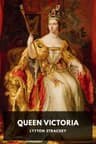
Queen Victoria
1921
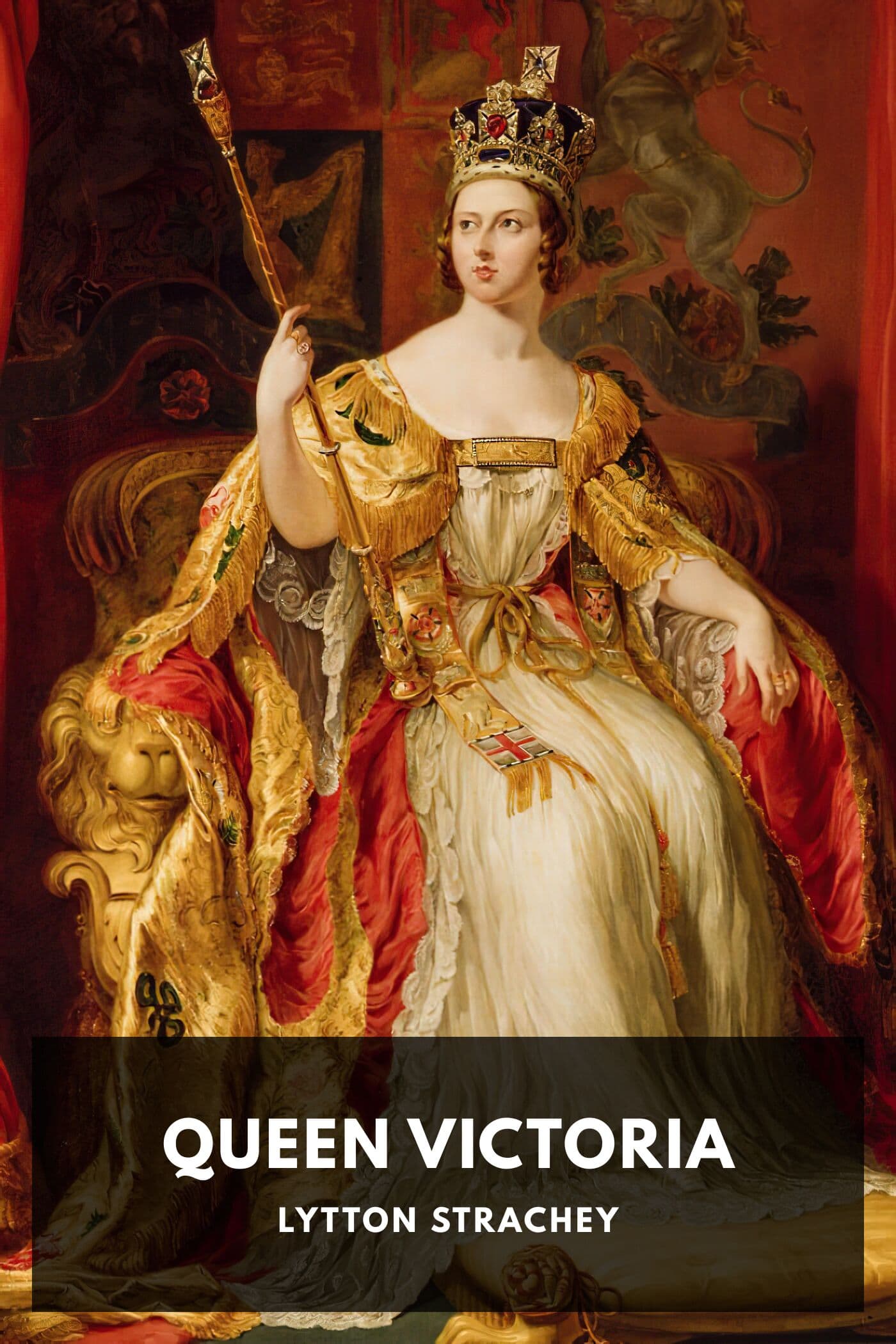
When Lytton Strachey turned his satirical pen toward Queen Victoria in 1921, he revolutionized biographical writing. This is not the stiff memorial of a national monument, but a living portrait: the stubborn girl who seized the throne at eighteen, the young queen who mastered the art of constitutional power while navigating the treacherous waters of her mother's ambitio and John Conroy's manipulation, the widow who transformed grief into imperial ideology. Strachey captures the contradictions that made Victoria irresistible and infuriating in equal measure: her vulgarity and her dignity, her petty vindictiveness and her extraordinary stamina, her domestic tenderness and her hunger for empire. The biography traces her reign through seven decades of radical transformation, from railroaded Britain to the sunlit heights of imperial glory, through the devastation of Albert's death and her slow, reluctant return to public life. Strachey's genius lies in his refusal to simplify: Victoria emerges as neither goddess nor monster, but a woman of ferocious will who became, almost accidentally, the symbol of an era.
Editions
X-Ray
“year. That sum was afterwards raised to L400 and finally to L1000; but when my debts made it necessary for me to sacrifice a great part of my income, Madame St. Laurent insisted upon again returning to her income of L400 a year. If Madame St. Laurent is to return to live amongst her friends, it must be in such a state of independence as to command their respect. I shall not require very much, but a certain number of servants and a carriage are essentials." As to his own settlement, the Duke observed that he would expect the Duke of York's marriage to be considered the precedent. "That," he said, "was a marriage for the succession, and L25,000 for income was settled, in addition to all his other income, purely on that account. I shall be contented with the same arrangement, without making any demands grounded on the difference of the value of money in 1792 and at present. As for the payment of my debts," the Duke concluded””
— Lytton Strachey
“punctual discharge of his irksome duties.””
— Lytton Strachey
Link to this book
Add a free, dofollow link to Lex on your blog, forum, syllabus, or reading list.

<a href="https://lex-books.com/book/queen-victoria-2fa15149-1a67-45fd-919e-25dc5d980ec2"><img src="https://lex-books.com/badges/read-on-lex.svg" alt="Read Queen Victoria by Lytton Strachey free on Lex" width="160" height="40"></a>[](https://lex-books.com/book/queen-victoria-2fa15149-1a67-45fd-919e-25dc5d980ec2)[url=https://lex-books.com/book/queen-victoria-2fa15149-1a67-45fd-919e-25dc5d980ec2][img]https://lex-books.com/badges/read-on-lex.svg[/img][/url]Read Queen Victoria by Lytton Strachey free on Lex: https://lex-books.com/book/queen-victoria-2fa15149-1a67-45fd-919e-25dc5d980ec2Cite this book
Reading this edition for a paper or guide? Copy a citation.
Strachey, Lytton. Queen Victoria. Lex, lex-books.com/book/queen-victoria-2fa15149-1a67-45fd-919e-25dc5d980ec2.Strachey, L. (1921). Queen Victoria. Lex. https://lex-books.com/book/queen-victoria-2fa15149-1a67-45fd-919e-25dc5d980ec2Strachey, Lytton. Queen Victoria. Lex. https://lex-books.com/book/queen-victoria-2fa15149-1a67-45fd-919e-25dc5d980ec2.