Primitive Man
1870
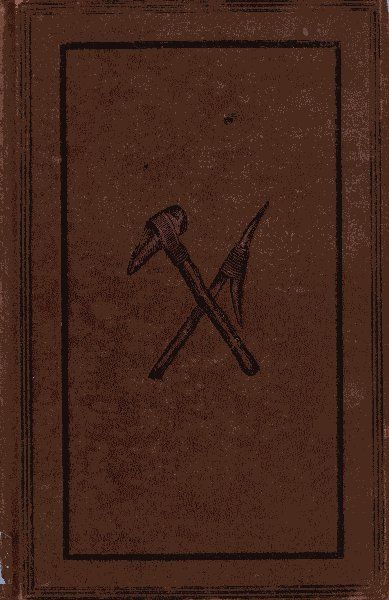
In 1870, the idea that humanity stretched back tens of thousands of years was still radical. Louis Figuier, a prominent French science writer, guides readers through the first discoveries that rewrote our understanding of deep time: excavated bones, stone tools, and the traces of ancient campfires buried in caves and river deposits. The book surveys primitive human life across geological ages, from the earliest Drift-Bed and cave dwellers who shared their world with mammoths and the great bear, through the Stone Age's polished implements, into the Bronze Age's metalwork, and finally to those Iron Age societies that blur into recorded history. Figuier catalogs how our ancestors lived, what they ate, how they buried their dead, and what they believed. Yet the work captures a peculiar historical moment. Figuier rejects the emerging theory that humans evolved from apes, insisting instead that primitive man occupied his own distinct category. This resistance makes the book a fascinating period piece, a rigorous scientific work that nonetheless clings to older certainties as new evidence destabilizes them. For readers interested in the history of science, the foundations of archaeology, or the evolution of ideas about human origins, this remains a compelling artifact of Victorian thought at a crossroads.
Editions
X-Ray
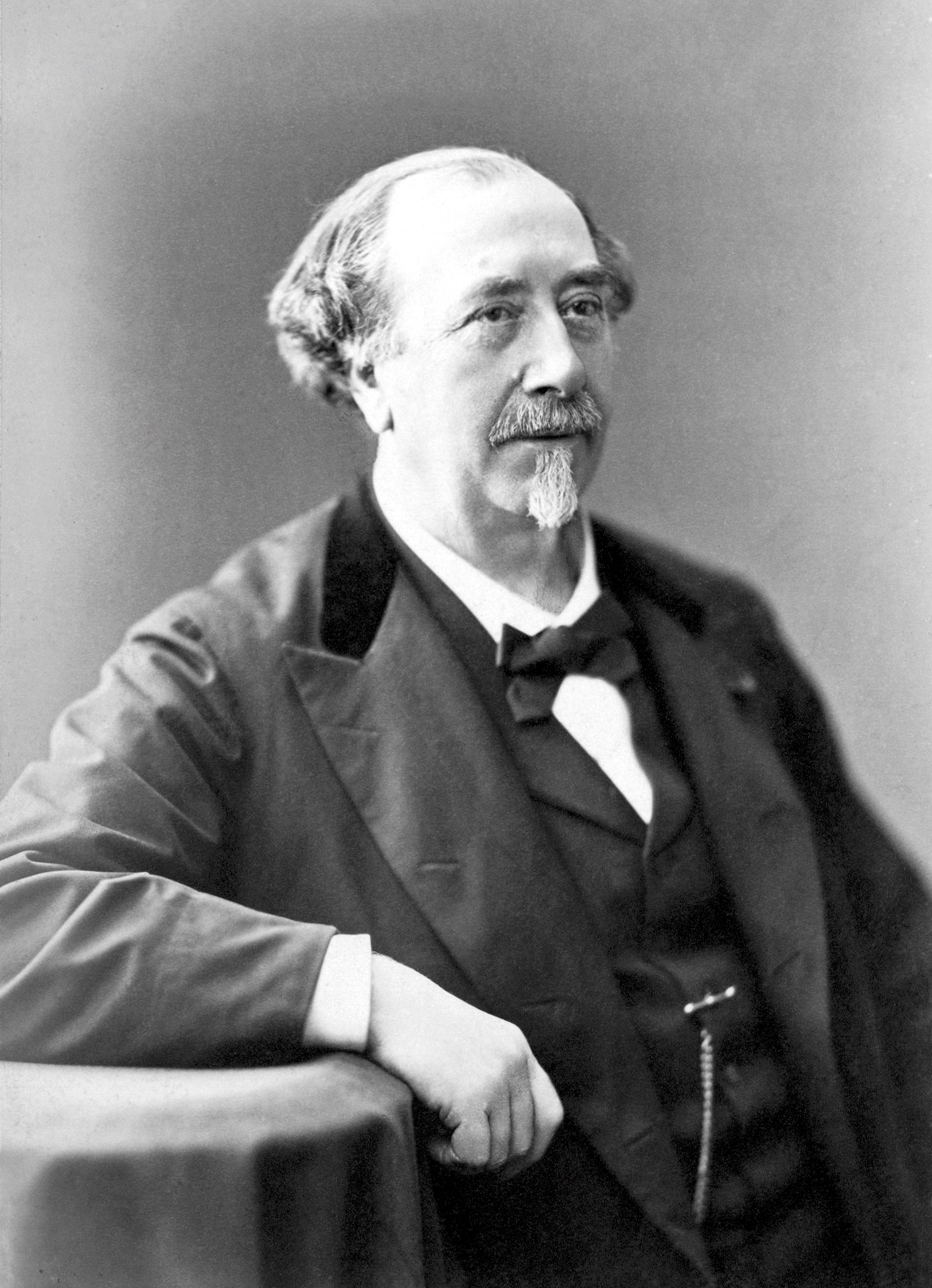
The author and narrator of this scientific work on prehistoric man. He serves as the primary voice guiding readers through the archaeological evidence and theories of human antiquity.
French archaeologist who discovered worked flints in quaternary beds at Abbeville. He was a pioneering advocate for the high antiquity of man despite facing initial skepticism.
Celebrated French palaeontologist who explored the sepulchral cave at Aurignac. He made crucial discoveries about funeral customs and co-existence of man with extinct animals.
Swiss physician who first interpreted the lacustrine dwellings discovered in Swiss lakes. He founded the scientific study of prehistoric archaeology in Switzerland.
About Primitive Man
Chapter Summaries
- Introduction
- Establishes the revolutionary idea that humans existed far longer than the traditional 6000 years, describing the scientific methods and evidence used to prove human antiquity. Outlines the classification system dividing prehistory into Stone Age and Metal Age periods.
- I.1
- Refutes theories deriving humans from apes and establishes the distinct nature of early humanity. Discusses the physical characteristics and intellectual capacity of primitive man during the epoch of extinct animals.
- I.2
- Describes primitive man's struggle for survival during the glacial period, his discovery of fire, and the manufacture of the earliest stone tools and pottery. Details the various types of flint implements and their uses.
Key Themes
- Scientific Progress vs. Religious Orthodoxy
- The book chronicles the conflict between emerging archaeological evidence for human antiquity and traditional religious chronology. Figuier demonstrates how scientific method gradually overcame dogmatic resistance.
- Human Evolution and Progress
- The work traces humanity's technological and cultural development from primitive stone tools to bronze metallurgy, showing gradual advancement in skills, art, and civilization.
- The Power of Material Evidence
- Throughout the work, physical artifacts—flint tools, bones, pottery—serve as irrefutable witnesses to human antiquity, demonstrating how material culture preserves historical truth.
Characters
- Louis Figuier(protagonist)
- The author and narrator of this scientific work on prehistoric man. He serves as the primary voice guiding readers through the archaeological evidence and theories of human antiquity.
- Boucher de Perthes(major)
- French archaeologist who discovered worked flints in quaternary beds at Abbeville. He was a pioneering advocate for the high antiquity of man despite facing initial skepticism.
- M. Édouard Lartet(major)
- Celebrated French palaeontologist who explored the sepulchral cave at Aurignac. He made crucial discoveries about funeral customs and co-existence of man with extinct animals.
- Dr. Keller(major)
- Swiss physician who first interpreted the lacustrine dwellings discovered in Swiss lakes. He founded the scientific study of prehistoric archaeology in Switzerland.
- Schmerling(major)
- Belgian geologist who discovered human skulls mixed with extinct animal remains in Belgian caves. He was a founder of the science of human antiquity.
- Sir Charles Lyell(major)
- English geologist who initially opposed the idea of antediluvian man but later became convinced by the evidence, lending significant authority to the new theories.
Link to this book
Add a free, dofollow link to Lex on your blog, forum, syllabus, or reading list.

<a href="https://lex-books.com/book/primitive-man-05f8dc2c-3391-49bd-95bd-2d8d289db67f"><img src="https://lex-books.com/badges/read-on-lex.svg" alt="Read Primitive Man by Louis Figuier free on Lex" width="160" height="40"></a>[](https://lex-books.com/book/primitive-man-05f8dc2c-3391-49bd-95bd-2d8d289db67f)[url=https://lex-books.com/book/primitive-man-05f8dc2c-3391-49bd-95bd-2d8d289db67f][img]https://lex-books.com/badges/read-on-lex.svg[/img][/url]Read Primitive Man by Louis Figuier free on Lex: https://lex-books.com/book/primitive-man-05f8dc2c-3391-49bd-95bd-2d8d289db67fCite this book
Reading this edition for a paper or guide? Copy a citation.
Figuier, Louis. Primitive Man. Lex, lex-books.com/book/primitive-man-05f8dc2c-3391-49bd-95bd-2d8d289db67f.Figuier, L. (1870). Primitive Man. Lex. https://lex-books.com/book/primitive-man-05f8dc2c-3391-49bd-95bd-2d8d289db67fFiguier, Louis. Primitive Man. Lex. https://lex-books.com/book/primitive-man-05f8dc2c-3391-49bd-95bd-2d8d289db67f.