Primitive Culture, Vol. 1 (of 2): Researches into the Development of Mythology, Philosophy, Religion, Language, Art, and Custom
1871
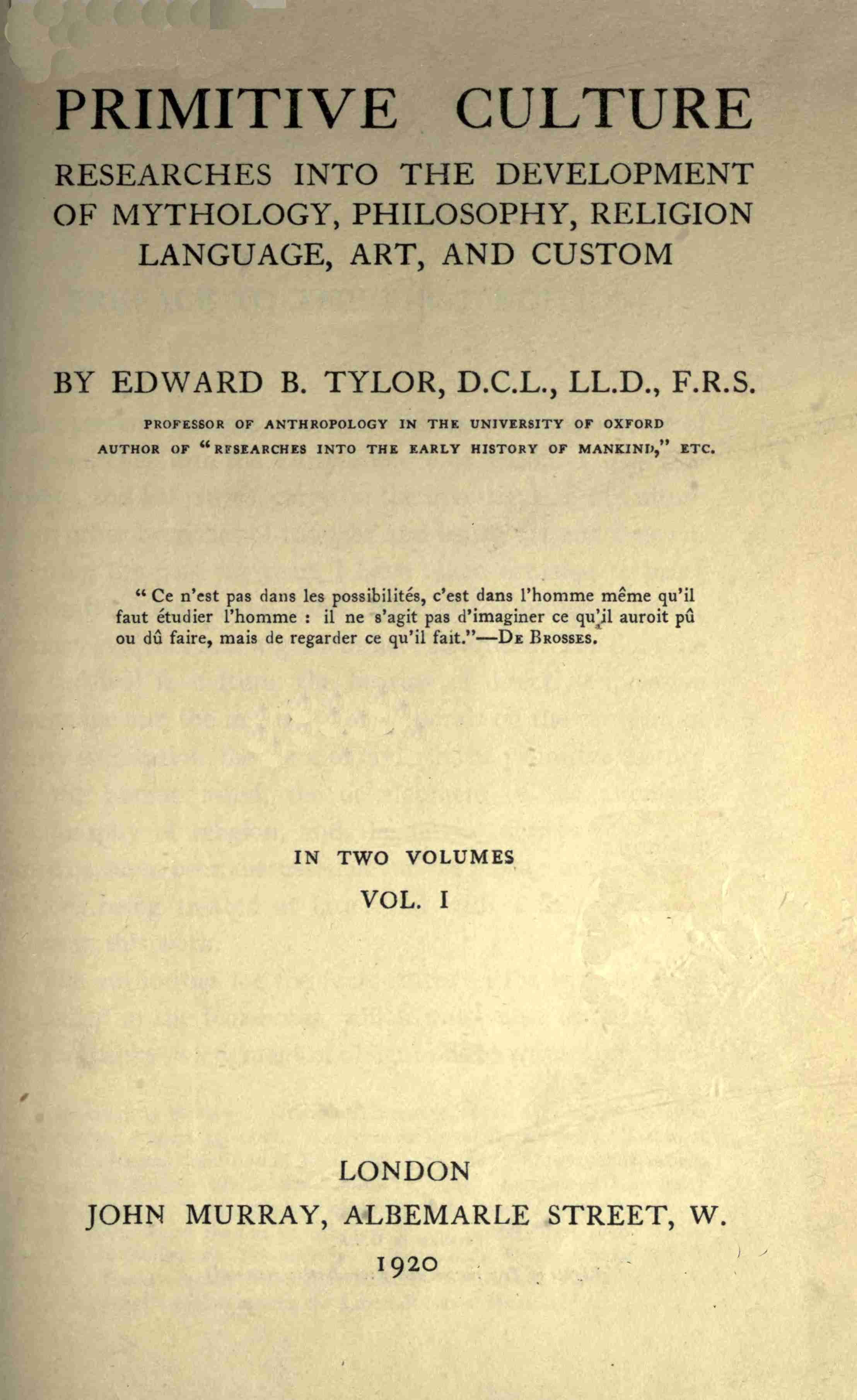
Primitive Culture, Vol. 1 (of 2): Researches into the Development of Mythology, Philosophy, Religion, Language, Art, and Custom
1871
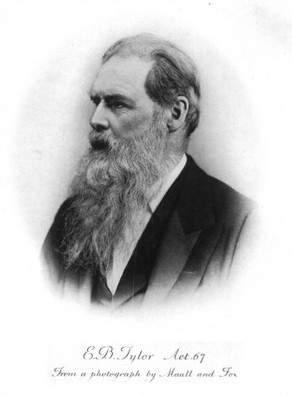
This is the book that gave anthropology its definition of culture. When Edward Tylor sat down to write this work in the 1870s, he attempted something audacious: a systematic, scientific account of how human societies evolve from what Victorians called "savagery" to civilization. The result was a work that fundamentally reshaped how we think about human difference. Tylor argues that all human cultures progress through identifiable stages of development, and that so-called "primitive" practices survival in modern societies like fossils survival in rock layers. He examines mythology, religion, language, art, and custom as interconnected expressions of this evolutionary process. Against the theological view that cultural progress requires divine intervention, Tylor insists that human behavior follows natural laws and can be studied empirically. The book is a product of its era, shaped by Victorian evolutionary thinking and colonial assumptions. Yet it was also genuinely progressive for its time, treating non-European cultures as worthy of serious intellectual inquiry rather than mere curiosity. This is where modern cultural anthropology begins. For anyone interested in the history of ideas about human society, or in understanding the foundations of how we came to study culture scientifically, Tylor's landmark text remains essential and provocative reading.
Editions
X-Ray
“We may fancy ourselves looking on Civilization, as in personal figure she traverses the world; we see her lingering or resting by the way, and often deviating into paths that bring her toiling back to where she had passed by long ago; but, direct or devious, her path lies forward, and if now and then she tries a few backward steps, her walk soon falls into a helpless stumbling. It is not according to her nature, her feet were not made to plant uncertain steps behind her, for both in her forward view and in her onward gait she is of truly human type.””
— Edward B. Tylor
Link to this book
Add a free, dofollow link to Lex on your blog, forum, syllabus, or reading list.

<a href="https://lex-books.com/book/primitive-culture-vol-1-of-2-researches-into-the-development-of-mythology-philos-5f7428dc-c1b4-4aca-ab88-d8e6098bd386"><img src="https://lex-books.com/badges/read-on-lex.svg" alt="Read Primitive Culture, Vol. 1 (of 2): Researches into the Development of Mythology, Philosophy, Religion, Language, Art, and Custom by Edward B. Tylor free on Lex" width="160" height="40"></a>[](https://lex-books.com/book/primitive-culture-vol-1-of-2-researches-into-the-development-of-mythology-philos-5f7428dc-c1b4-4aca-ab88-d8e6098bd386)[url=https://lex-books.com/book/primitive-culture-vol-1-of-2-researches-into-the-development-of-mythology-philos-5f7428dc-c1b4-4aca-ab88-d8e6098bd386][img]https://lex-books.com/badges/read-on-lex.svg[/img][/url]Read Primitive Culture, Vol. 1 (of 2): Researches into the Development of Mythology, Philosophy, Religion, Language, Art, and Custom by Edward B. Tylor free on Lex: https://lex-books.com/book/primitive-culture-vol-1-of-2-researches-into-the-development-of-mythology-philos-5f7428dc-c1b4-4aca-ab88-d8e6098bd386Cite this book
Reading this edition for a paper or guide? Copy a citation.
Tylor, Edward B.. Primitive Culture, Vol. 1 (of 2): Researches into the Development of Mythology, Philosophy, Religion, Language, Art, and Custom. Lex, lex-books.com/book/primitive-culture-vol-1-of-2-researches-into-the-development-of-mythology-philos-5f7428dc-c1b4-4aca-ab88-d8e6098bd386.Tylor, E. B. (1871). Primitive Culture, Vol. 1 (of 2): Researches into the Development of Mythology, Philosophy, Religion, Language, Art, and Custom. Lex. https://lex-books.com/book/primitive-culture-vol-1-of-2-researches-into-the-development-of-mythology-philos-5f7428dc-c1b4-4aca-ab88-d8e6098bd386Tylor, Edward B.. Primitive Culture, Vol. 1 (of 2): Researches into the Development of Mythology, Philosophy, Religion, Language, Art, and Custom. Lex. https://lex-books.com/book/primitive-culture-vol-1-of-2-researches-into-the-development-of-mythology-philos-5f7428dc-c1b4-4aca-ab88-d8e6098bd386.