Anthropology: An Introduction to the Study of Man and Civilization
1881

Anthropology: An Introduction to the Study of Man and Civilization
1881
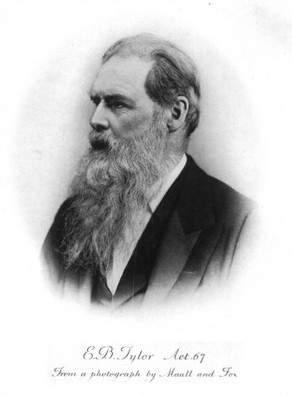
Published in 1881, this landmark text introduced the British public to a radical new science: the study of humanity in all its forms. Edward B. Tylor, drawing on fieldwork with indigenous peoples worldwide and the emerging theories of evolution, constructed a sweeping narrative of human progress from savagery to civilization. He argues that the customs, beliefs, and institutions of so-called primitive societies are not evidence of inferiority but rather windows into the developmental stages that all peoples have traversed. Tylor's concept of 'survivals' - traces of earlier cultural practices lingering in modern societies - became one of anthropology's most influential ideas. The book ranges across myth, religion, language, art, and social organization, demonstrating that the diversity of human culture follows comprehensible laws of development. While Tylor's evolutionary framework has been thoroughly revised by subsequent generations of anthropologists, his insistence on taking every human society seriously as a subject of rigorous inquiry remains foundational to the discipline.
Editions

Link to this book
Add a free, dofollow link to Lex on your blog, forum, syllabus, or reading list.

<a href="https://lex-books.com/book/anthropology-an-introduction-to-the-study-of-man-and-civilization-2ccaa77a-9225-477e-b863-25607d8c8608"><img src="https://lex-books.com/badges/read-on-lex.svg" alt="Read Anthropology: An Introduction to the Study of Man and Civilization by Edward B. Tylor free on Lex" width="160" height="40"></a>[](https://lex-books.com/book/anthropology-an-introduction-to-the-study-of-man-and-civilization-2ccaa77a-9225-477e-b863-25607d8c8608)[url=https://lex-books.com/book/anthropology-an-introduction-to-the-study-of-man-and-civilization-2ccaa77a-9225-477e-b863-25607d8c8608][img]https://lex-books.com/badges/read-on-lex.svg[/img][/url]Read Anthropology: An Introduction to the Study of Man and Civilization by Edward B. Tylor free on Lex: https://lex-books.com/book/anthropology-an-introduction-to-the-study-of-man-and-civilization-2ccaa77a-9225-477e-b863-25607d8c8608Cite this book
Reading this edition for a paper or guide? Copy a citation.
Tylor, Edward B.. Anthropology: An Introduction to the Study of Man and Civilization. Lex, lex-books.com/book/anthropology-an-introduction-to-the-study-of-man-and-civilization-2ccaa77a-9225-477e-b863-25607d8c8608.Tylor, E. B. (1881). Anthropology: An Introduction to the Study of Man and Civilization. Lex. https://lex-books.com/book/anthropology-an-introduction-to-the-study-of-man-and-civilization-2ccaa77a-9225-477e-b863-25607d8c8608Tylor, Edward B.. Anthropology: An Introduction to the Study of Man and Civilization. Lex. https://lex-books.com/book/anthropology-an-introduction-to-the-study-of-man-and-civilization-2ccaa77a-9225-477e-b863-25607d8c8608.