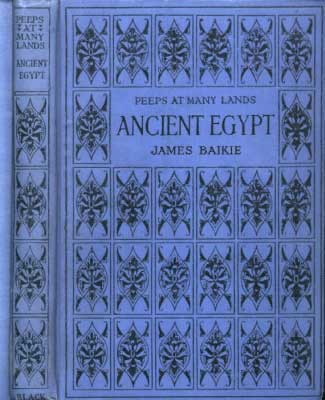
Peeps at Many Lands: Ancient Egypt
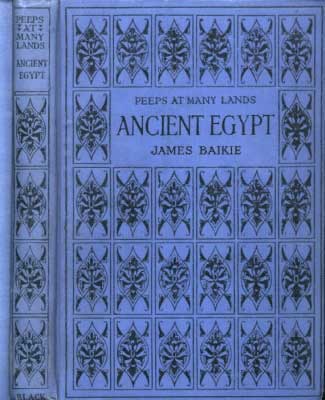
Written in the early 20th century by James Baikie, 'Peeps at Many Lands: Ancient Egypt' provides a historical account of ancient Egypt's rich culture and daily life. The book explores the significance of the Nile River in shaping civilization, detailing the achievements of its great kings, the construction of pyramids, and the lives of its people. Baikie's vivid descriptions connect ancient Egypt to recognizable biblical figures and events, offering insights into a land of beauty and complexity.
Editions
Peeps at Many Lands: Ancient EgyptCurrent
Project Gutenberg · 102 pages
X-Ray
“her hungry thousands from Egypt by the famous Alexandrian corn””
— James Baikie
About Peeps at Many Lands: Ancient Egypt
Chapter Summaries
- 1
- Baikie introduces Egypt as one of the world's most interesting countries after Palestine, emphasizing its ancient history and remarkable buildings. He describes Egypt's geography as a narrow strip along the Nile, explaining how the river created and sustains this civilization.
- 2
- The narrator takes readers on a journey to ancient Thebes, describing the arrival by Phoenician galley and the impressive sight of the great city. The chapter includes an encounter with striking workers and their dispute with Prince Paser.
- 3
- The exploration of Thebes continues through its narrow streets, bustling bazaars, and diverse population. The chapter describes various trades, the barter system, and social problems like drunkenness, ending with a religious procession.
Key Themes
- The Power of Ancient Civilizations
- Baikie emphasizes Egypt's remarkable achievements in architecture, art, and culture, showing how this ancient civilization surpassed many that came after it. The pyramids, temples, and sophisticated society demonstrate human capability thousands of years ago.
- Life and Death
- The Egyptian obsession with death and the afterlife permeates the book, from mummification practices to elaborate tombs. This reflects their belief that earthly life was merely preparation for eternal existence.
- Social Hierarchy and Power
- The book illustrates Egypt's rigid social structure, from the god-king Pharaoh at the top to slaves at the bottom. This hierarchy determined every aspect of life, from education to burial practices.
Characters
- James Baikie(narrator)
- The author and narrator who guides readers through ancient Egypt, presenting historical information in an accessible way for young readers. He serves as the knowledgeable guide throughout the journey.
- Ramses II(major)
- The great Pharaoh of Egypt, called 'the good god' by his subjects. A powerful warrior-king who built monuments and fought battles, particularly against the Hittites at Kadesh.
- Queen Nefertari(minor)
- The favorite wife of Ramses II, who accompanies him in royal processions and ceremonies.
- Prince Khaemuas(minor)
- Son of Ramses II and the greatest magician in Egypt, known for his powerful spells and mysterious papyrus roll.
- Menna(minor)
- A skilled young charioteer who drives Ramses II's war chariot and shows great courage in the Battle of Kadesh.
- Prince Paser(minor)
- A government official in charge of the Works Department in Thebes, who deals with striking workers.
Link to this book
Add a free, dofollow link to Lex on your blog, forum, syllabus, or reading list.

HTML
<a href="https://lex-books.com/book/peeps-at-many-lands-ancient-egypt-c6e45e71-6cbf-4fe2-8d3c-81b8f15c5e55"><img src="https://lex-books.com/badges/read-on-lex.svg" alt="Read Peeps at Many Lands: Ancient Egypt by James Baikie free on Lex" width="160" height="40"></a>Markdown
[](https://lex-books.com/book/peeps-at-many-lands-ancient-egypt-c6e45e71-6cbf-4fe2-8d3c-81b8f15c5e55)BBCode
[url=https://lex-books.com/book/peeps-at-many-lands-ancient-egypt-c6e45e71-6cbf-4fe2-8d3c-81b8f15c5e55][img]https://lex-books.com/badges/read-on-lex.svg[/img][/url]Plain link
Read Peeps at Many Lands: Ancient Egypt by James Baikie free on Lex: https://lex-books.com/book/peeps-at-many-lands-ancient-egypt-c6e45e71-6cbf-4fe2-8d3c-81b8f15c5e55Cite this book
Reading this edition for a paper or guide? Copy a citation.
MLA
Baikie, James. Peeps at Many Lands: Ancient Egypt. Lex, lex-books.com/book/peeps-at-many-lands-ancient-egypt-c6e45e71-6cbf-4fe2-8d3c-81b8f15c5e55.APA
Baikie, J. (n.d.). Peeps at Many Lands: Ancient Egypt. Lex. https://lex-books.com/book/peeps-at-many-lands-ancient-egypt-c6e45e71-6cbf-4fe2-8d3c-81b8f15c5e55Chicago
Baikie, James. Peeps at Many Lands: Ancient Egypt. Lex. https://lex-books.com/book/peeps-at-many-lands-ancient-egypt-c6e45e71-6cbf-4fe2-8d3c-81b8f15c5e55.