Pastoral Days; Or, Memories of a New England Year
1886
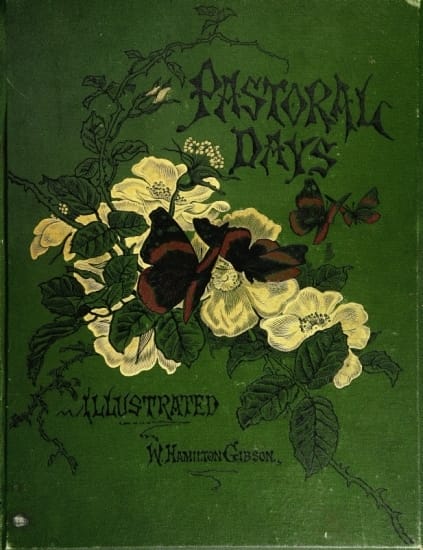
In 1886, as industrial America accelerated toward a new century, W. Hamilton Gibson sat down to preserve a world that was already vanishing. This collection of reflective essays captures the rhythms of rural New England with the tender precision of someone who knew he was documenting something precious. Gibson writes not as a tourist but as a native: he knows which birds return first in spring, how a freshet transforms the meadow, the exact quality of March light struggling through remaining snow. The book moves through seasons not as calendar divisions but as emotional landscapes, each chapter threaded with personal memory and close observation. Whether describing the excitement of ice breaking on a winter stream or the particular peace of a summer evening, Gibson offers a vision of American life rooted in land and seasonality. For readers who find modern cities suffocating, who turn to Thoreau or Annie Dillard for air, this book is a quiet room in a fast-changing house. It asks nothing of you except attention and a willingness to slow down.
Editions
Link to this book
Add a free, dofollow link to Lex on your blog, forum, syllabus, or reading list.

<a href="https://lex-books.com/book/pastoral-days-or-memories-of-a-new-england-year-18b800cf-975a-4fbc-a89a-9059fcd0a14b"><img src="https://lex-books.com/badges/read-on-lex.svg" alt="Read Pastoral Days; Or, Memories of a New England Year by W. Hamilton Gibson free on Lex" width="160" height="40"></a>[](https://lex-books.com/book/pastoral-days-or-memories-of-a-new-england-year-18b800cf-975a-4fbc-a89a-9059fcd0a14b)[url=https://lex-books.com/book/pastoral-days-or-memories-of-a-new-england-year-18b800cf-975a-4fbc-a89a-9059fcd0a14b][img]https://lex-books.com/badges/read-on-lex.svg[/img][/url]Read Pastoral Days; Or, Memories of a New England Year by W. Hamilton Gibson free on Lex: https://lex-books.com/book/pastoral-days-or-memories-of-a-new-england-year-18b800cf-975a-4fbc-a89a-9059fcd0a14bCite this book
Reading this edition for a paper or guide? Copy a citation.
Gibson, W. Hamilton. Pastoral Days; Or, Memories of a New England Year. Lex, lex-books.com/book/pastoral-days-or-memories-of-a-new-england-year-18b800cf-975a-4fbc-a89a-9059fcd0a14b.Gibson, W. H. (1886). Pastoral Days; Or, Memories of a New England Year. Lex. https://lex-books.com/book/pastoral-days-or-memories-of-a-new-england-year-18b800cf-975a-4fbc-a89a-9059fcd0a14bGibson, W. Hamilton. Pastoral Days; Or, Memories of a New England Year. Lex. https://lex-books.com/book/pastoral-days-or-memories-of-a-new-england-year-18b800cf-975a-4fbc-a89a-9059fcd0a14b.