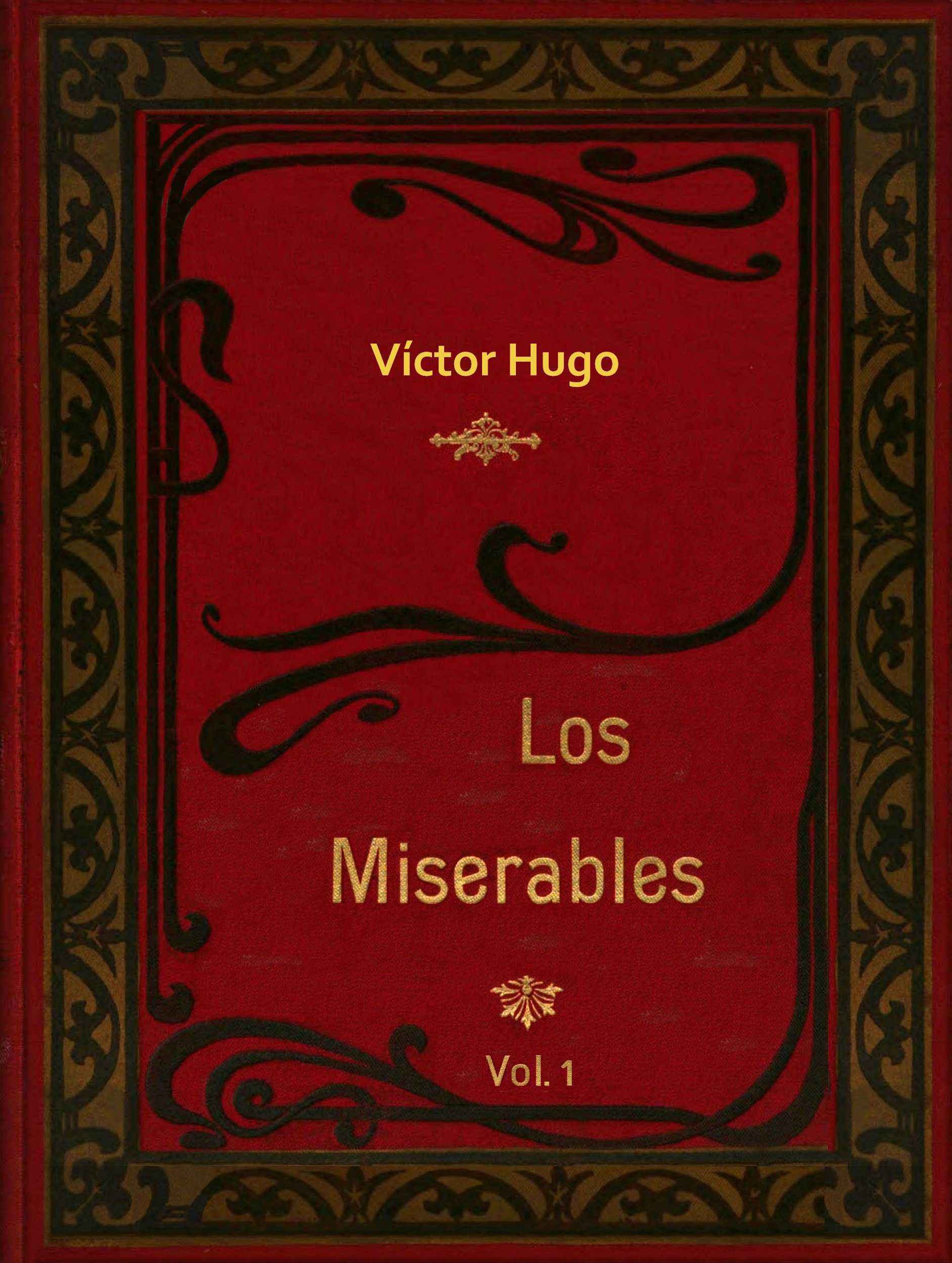
Miserables: Tomo I

Here is a novel that asks whether a man broken by nineteen years in a salt mine can be remade by grace. Jean Valjean, convicted for stealing a loaf of bread, emerges from prison hollowed out and hatless, rejected everywhere he turns until a bishop of extraordinary mercy gives him candlesticks and a second chance. This is the first movement of Hugo's sprawling masterpiece: a novel that burrows into the question of whether redemption is possible in a world designed to keep the fallen fallen. We follow Valjean as he reinvents himself, takes on the name Madeleine, and rises to power and kindness, all while the relentless inspector Javert dogs his footsteps, certain that no convict can truly change. Meanwhile, Fantine's destruction at the hands of a merciless society cracks open the novel's argument about justice, showing what happens when the world decides a woman is worthless. Set against the tremors of the June Rebellion of 1832, this is Hugo's magnificent defense of the outcast, his argument against a law that punishes hunger as a crime, his insistence that mercy is the only thing that can save us from ourselves.
Editions

Link to this book
Add a free, dofollow link to Lex on your blog, forum, syllabus, or reading list.

<a href="https://lex-books.com/book/miserables-tomo-i-5a278941-d714-4f7b-a256-06c124ea63e4"><img src="https://lex-books.com/badges/read-on-lex.svg" alt="Read Miserables: Tomo I by Victor Hugo free on Lex" width="160" height="40"></a>[](https://lex-books.com/book/miserables-tomo-i-5a278941-d714-4f7b-a256-06c124ea63e4)[url=https://lex-books.com/book/miserables-tomo-i-5a278941-d714-4f7b-a256-06c124ea63e4][img]https://lex-books.com/badges/read-on-lex.svg[/img][/url]Read Miserables: Tomo I by Victor Hugo free on Lex: https://lex-books.com/book/miserables-tomo-i-5a278941-d714-4f7b-a256-06c124ea63e4Cite this book
Reading this edition for a paper or guide? Copy a citation.
Hugo, Victor. Miserables: Tomo I. Lex, lex-books.com/book/miserables-tomo-i-5a278941-d714-4f7b-a256-06c124ea63e4.Hugo, V. (n.d.). Miserables: Tomo I. Lex. https://lex-books.com/book/miserables-tomo-i-5a278941-d714-4f7b-a256-06c124ea63e4Hugo, Victor. Miserables: Tomo I. Lex. https://lex-books.com/book/miserables-tomo-i-5a278941-d714-4f7b-a256-06c124ea63e4.