Mein Weg als Deutscher und Jude

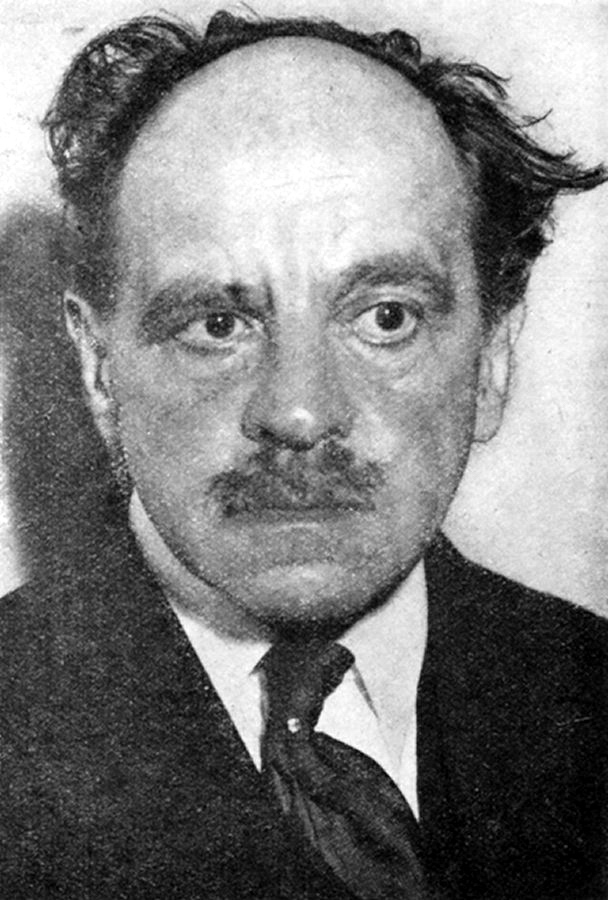
Jakob Wassermann's autobiography is a haunted, honest reckoning with what it meant to love a country that could not fully love you back. One of Germany's most celebrated novelists, a man whose books were read across Europe, found himself throughout his life bumping against invisible walls: the casual exclusions, the polite rejections, the moments when someone remembered he was Jewish and looked at him differently. He writes about his Bavarian childhood, his literary ascent, his turbulent marriages, and his creative crises with disarming candor. But at its heart, this is a book about identity torn between two loyalties that could not be reconciled. Written in 1921, before the catastrophe, it preserves something precious and heartbreaking: the voice of a German Jew who still believed, despite everything, that understanding was possible. It is a document of wounded belonging, essential for anyone seeking to grasp the anguish of in-betweenness.
Editions

Link to this book
Add a free, dofollow link to Lex on your blog, forum, syllabus, or reading list.

<a href="https://lex-books.com/book/mein-weg-als-deutscher-und-jude-614fdc4e-5063-4cf1-be9e-df1561fa9dd4"><img src="https://lex-books.com/badges/read-on-lex.svg" alt="Read Mein Weg als Deutscher und Jude by Jakob Wassermann free on Lex" width="160" height="40"></a>[](https://lex-books.com/book/mein-weg-als-deutscher-und-jude-614fdc4e-5063-4cf1-be9e-df1561fa9dd4)[url=https://lex-books.com/book/mein-weg-als-deutscher-und-jude-614fdc4e-5063-4cf1-be9e-df1561fa9dd4][img]https://lex-books.com/badges/read-on-lex.svg[/img][/url]Read Mein Weg als Deutscher und Jude by Jakob Wassermann free on Lex: https://lex-books.com/book/mein-weg-als-deutscher-und-jude-614fdc4e-5063-4cf1-be9e-df1561fa9dd4Cite this book
Reading this edition for a paper or guide? Copy a citation.
Wassermann, Jakob. Mein Weg als Deutscher und Jude. Lex, lex-books.com/book/mein-weg-als-deutscher-und-jude-614fdc4e-5063-4cf1-be9e-df1561fa9dd4.Wassermann, J. (n.d.). Mein Weg als Deutscher und Jude. Lex. https://lex-books.com/book/mein-weg-als-deutscher-und-jude-614fdc4e-5063-4cf1-be9e-df1561fa9dd4Wassermann, Jakob. Mein Weg als Deutscher und Jude. Lex. https://lex-books.com/book/mein-weg-als-deutscher-und-jude-614fdc4e-5063-4cf1-be9e-df1561fa9dd4.