Max Havelaar; or, the Coffee Auctions of the Dutch Trading Company
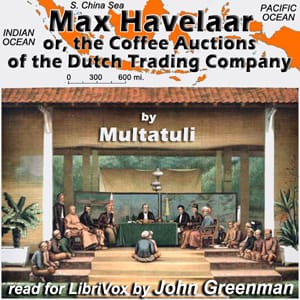
This is the book that broke an empire's conscience. Written in 1860 by a Dutch civil servant who could no longer stomach the system he served, Max Havelaar is a furious, formally inventive indictment of Dutch colonial rule in Java. The novel follows the title character, a newly appointed assistant resident, as he uncovers the brutal machinery of the "cultuurstelsel" - a system that forced Indonesian farmers to grow cash crops on land they needed for food, enriching Dutch traders while the native population starved. But this is no dry polemic. Multatuli's prose crackles with anger, irony, and despair. He interrupts his own narrative to harangue the reader, to confess his failures, to question whether words can ever be enough. The coffee auctions of the title become a symbol of how distant consumers in Europe unknowingly participated in suffering half a world away. The book ignited a scandal upon publication and was compared to Uncle Tom's Cabin for its power to awaken European conscience. It ultimately helped fuel the Indonesian nationalist movement that ended three centuries of Dutch colonial rule.
Editions


Link to this book
Add a free, dofollow link to Lex on your blog, forum, syllabus, or reading list.

<a href="https://lex-books.com/book/max-havelaar-or-the-coffee-auctions-of-the-dutch-trading-company-44f7fee0-3fb5-44c0-9d9d-099b49b4b665"><img src="https://lex-books.com/badges/read-on-lex.svg" alt="Read Max Havelaar; or, the Coffee Auctions of the Dutch Trading Company by Multatuli free on Lex" width="160" height="40"></a>[](https://lex-books.com/book/max-havelaar-or-the-coffee-auctions-of-the-dutch-trading-company-44f7fee0-3fb5-44c0-9d9d-099b49b4b665)[url=https://lex-books.com/book/max-havelaar-or-the-coffee-auctions-of-the-dutch-trading-company-44f7fee0-3fb5-44c0-9d9d-099b49b4b665][img]https://lex-books.com/badges/read-on-lex.svg[/img][/url]Read Max Havelaar; or, the Coffee Auctions of the Dutch Trading Company by Multatuli free on Lex: https://lex-books.com/book/max-havelaar-or-the-coffee-auctions-of-the-dutch-trading-company-44f7fee0-3fb5-44c0-9d9d-099b49b4b665Cite this book
Reading this edition for a paper or guide? Copy a citation.
Multatuli. Max Havelaar; or, the Coffee Auctions of the Dutch Trading Company. Lex, lex-books.com/book/max-havelaar-or-the-coffee-auctions-of-the-dutch-trading-company-44f7fee0-3fb5-44c0-9d9d-099b49b4b665.Multatuli (n.d.). Max Havelaar; or, the Coffee Auctions of the Dutch Trading Company. Lex. https://lex-books.com/book/max-havelaar-or-the-coffee-auctions-of-the-dutch-trading-company-44f7fee0-3fb5-44c0-9d9d-099b49b4b665Multatuli. Max Havelaar; or, the Coffee Auctions of the Dutch Trading Company. Lex. https://lex-books.com/book/max-havelaar-or-the-coffee-auctions-of-the-dutch-trading-company-44f7fee0-3fb5-44c0-9d9d-099b49b4b665.