Man of Genius

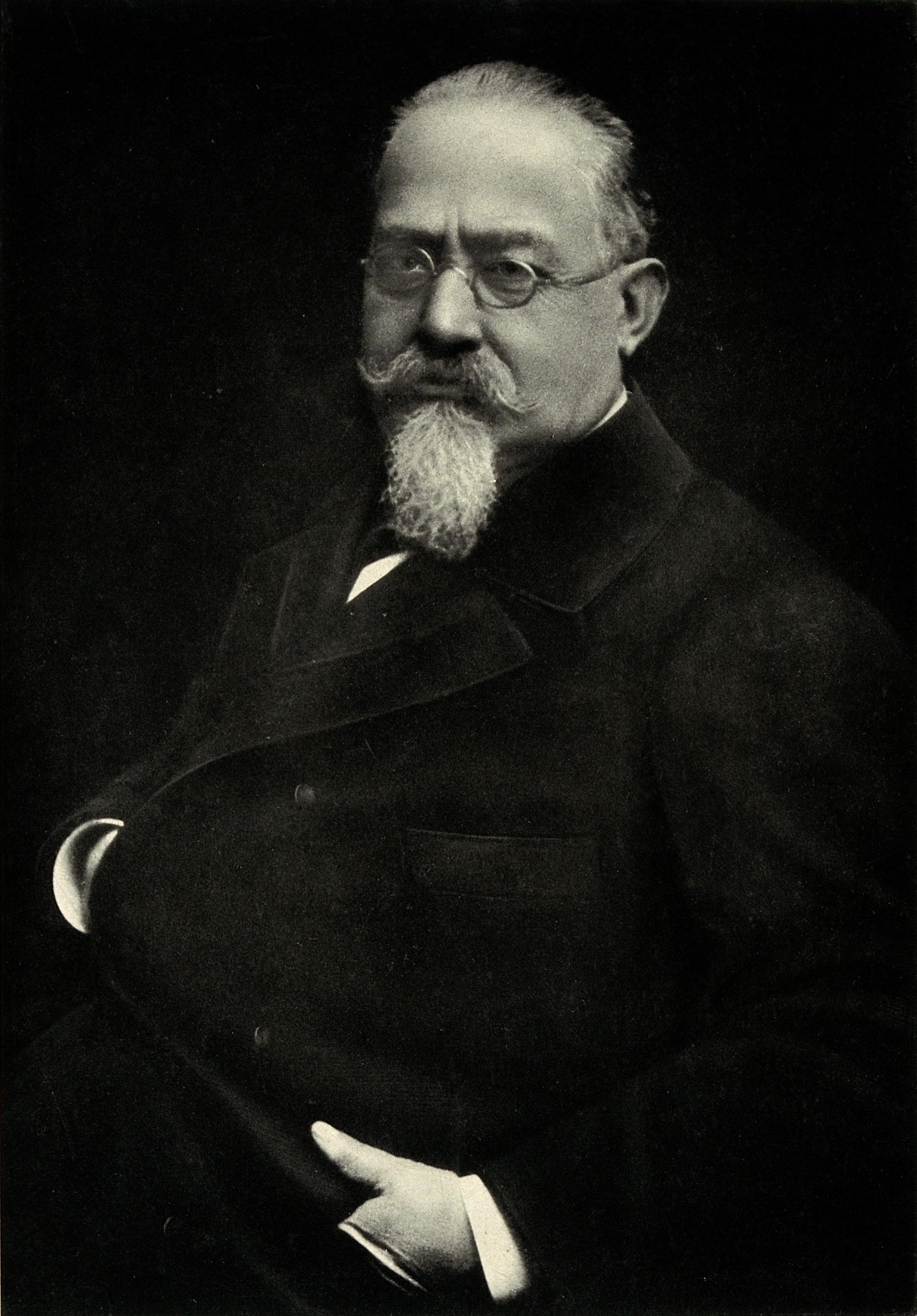
Cesare Lombroso made his name arguing that criminals could be identified by their physical features, a theory now thoroughly discredited. But in this earlier, even more provocative work, he turned his anthropological gaze on the geniuses of history. His verdict: creativity itself is a form of atavism, a throwback to more primitive states of mind. The same pathological tendencies that produce criminals, he claimed, also produce artists, inventors, and visionaries. Lombroso marshals an extraordinary range of evidence: autopsy reports on the brains of famous men, biographical anecdotes about their eccentricities and illnesses, seasonal patterns in creative output, and thousands of records from prisons and asylums. He examines Socrates, Rousseau, Pascal, Nietzsche, and dozens of other exceptional figures, cataloguing what he sees as degenerate symptoms in their lives and work. The genius, in Lombroso's framework, is not above humanity but rather apart from it, marked by biological and psychological anomaly. The argument is shocking, and remains so. Yet the book endures less as science than as a fascinating window into Victorian anxieties about creativity, heredity, and mental difference. It asks uncomfortable questions that still haunt us: is greatness inseparable from suffering? Are the gifted among us merely another kind of deviant?
Editions

Link to this book
Add a free, dofollow link to Lex on your blog, forum, syllabus, or reading list.

<a href="https://lex-books.com/book/man-of-genius-198779da-2cdf-4e61-8a15-6690a332de42"><img src="https://lex-books.com/badges/read-on-lex.svg" alt="Read Man of Genius by Cesare Lombroso free on Lex" width="160" height="40"></a>[](https://lex-books.com/book/man-of-genius-198779da-2cdf-4e61-8a15-6690a332de42)[url=https://lex-books.com/book/man-of-genius-198779da-2cdf-4e61-8a15-6690a332de42][img]https://lex-books.com/badges/read-on-lex.svg[/img][/url]Read Man of Genius by Cesare Lombroso free on Lex: https://lex-books.com/book/man-of-genius-198779da-2cdf-4e61-8a15-6690a332de42Cite this book
Reading this edition for a paper or guide? Copy a citation.
Lombroso, Cesare. Man of Genius. Lex, lex-books.com/book/man-of-genius-198779da-2cdf-4e61-8a15-6690a332de42.Lombroso, C. (n.d.). Man of Genius. Lex. https://lex-books.com/book/man-of-genius-198779da-2cdf-4e61-8a15-6690a332de42Lombroso, Cesare. Man of Genius. Lex. https://lex-books.com/book/man-of-genius-198779da-2cdf-4e61-8a15-6690a332de42.