Lysistrata: Or, Woman's Future and Future Woman
1925
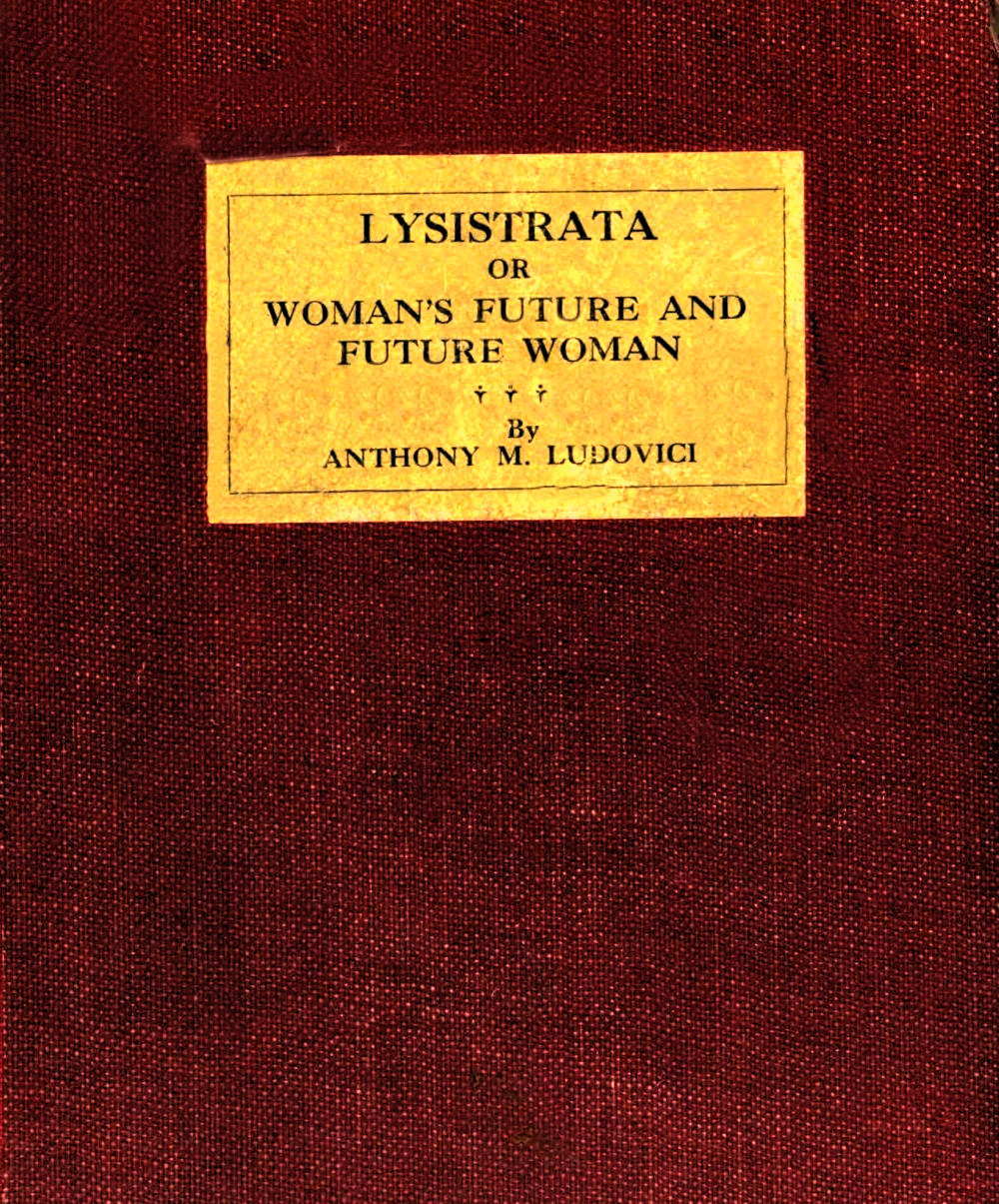
Lysistrata: Or, Woman's Future and Future Woman
1925
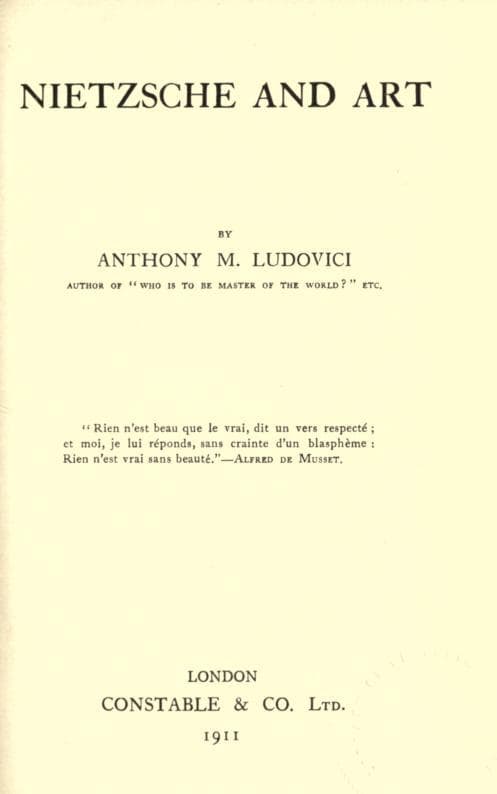
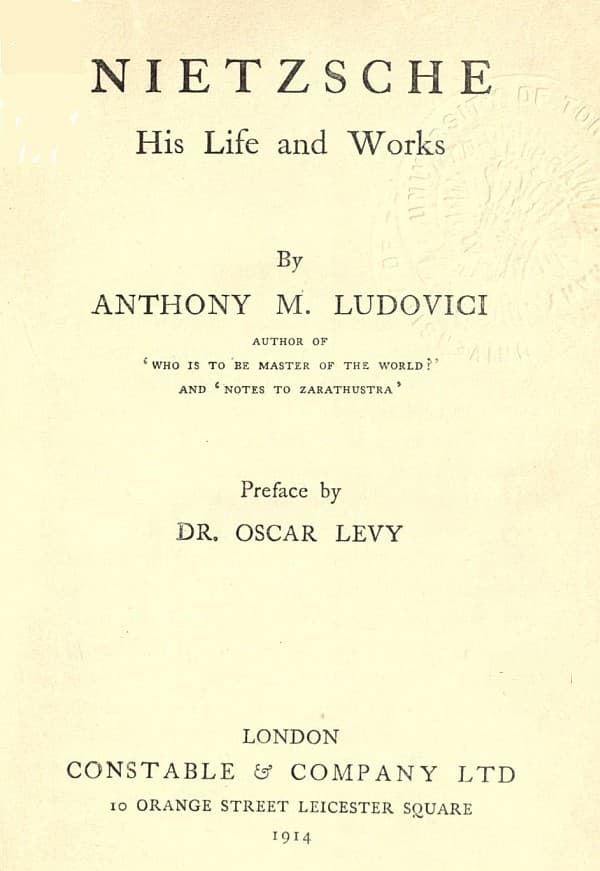
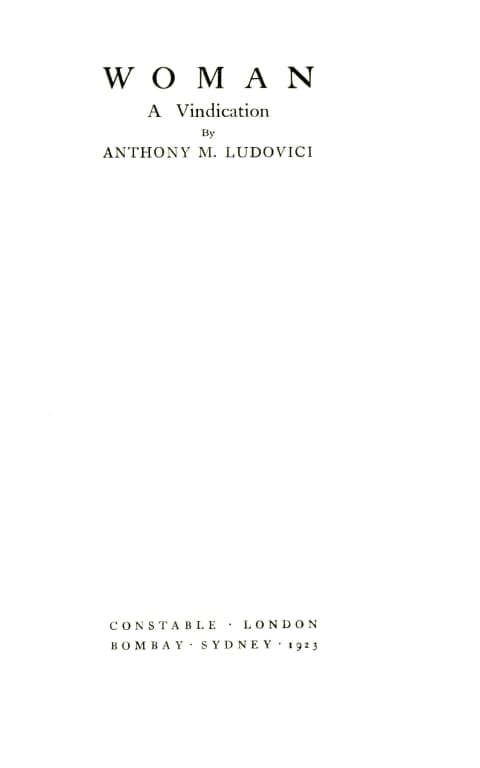
A bracing, controversial treatise from 1925 that argues modern civilization has made women fundamentally unnatural. Anthony M. Ludovici, best known as Nietzsche's English translator, contends that women have been severed from their physical selves by industrial society, resulting in widespread unhappiness, poor health, and spiritual emptiness. Drawing on Nietzschean philosophy and eugenicist thinking popular in interwar Britain, the book critiques a medical establishment more interested in profit than women's wellbeing, while arguing that women's liberation has paradoxically increased their suffering. The title references Aristophanes' ancient comedy as a symbol of women reclaiming their bodily power, though Ludovici's vision of "future woman" leans toward a return to natural rhythms rather than further emancipation. Dr. Norman Haire's foreword sets the combative tone, attacking contemporary values that prioritize wealth over health. This is a period piece that reveals the anxieties and contradictions of early twentieth-century gender discourse: sometimes prescient about women's isolation in modern life, sometimes deeply reactionary. For readers interested in the intellectual history of feminism, anti-feminism, and the strange byways of early modernist thought.
Editions
Link to this book
Add a free, dofollow link to Lex on your blog, forum, syllabus, or reading list.

<a href="https://lex-books.com/book/lysistrata-or-woman-s-future-and-future-woman-1dc97027-5b53-4619-9b88-6475dead32f5"><img src="https://lex-books.com/badges/read-on-lex.svg" alt="Read Lysistrata: Or, Woman's Future and Future Woman by Anthony M. Ludovici free on Lex" width="160" height="40"></a>[](https://lex-books.com/book/lysistrata-or-woman-s-future-and-future-woman-1dc97027-5b53-4619-9b88-6475dead32f5)[url=https://lex-books.com/book/lysistrata-or-woman-s-future-and-future-woman-1dc97027-5b53-4619-9b88-6475dead32f5][img]https://lex-books.com/badges/read-on-lex.svg[/img][/url]Read Lysistrata: Or, Woman's Future and Future Woman by Anthony M. Ludovici free on Lex: https://lex-books.com/book/lysistrata-or-woman-s-future-and-future-woman-1dc97027-5b53-4619-9b88-6475dead32f5Cite this book
Reading this edition for a paper or guide? Copy a citation.
Ludovici, Anthony M.. Lysistrata: Or, Woman's Future and Future Woman. Lex, lex-books.com/book/lysistrata-or-woman-s-future-and-future-woman-1dc97027-5b53-4619-9b88-6475dead32f5.Ludovici, A. M. (1925). Lysistrata: Or, Woman's Future and Future Woman. Lex. https://lex-books.com/book/lysistrata-or-woman-s-future-and-future-woman-1dc97027-5b53-4619-9b88-6475dead32f5Ludovici, Anthony M.. Lysistrata: Or, Woman's Future and Future Woman. Lex. https://lex-books.com/book/lysistrata-or-woman-s-future-and-future-woman-1dc97027-5b53-4619-9b88-6475dead32f5.