Life of Haydn
1882
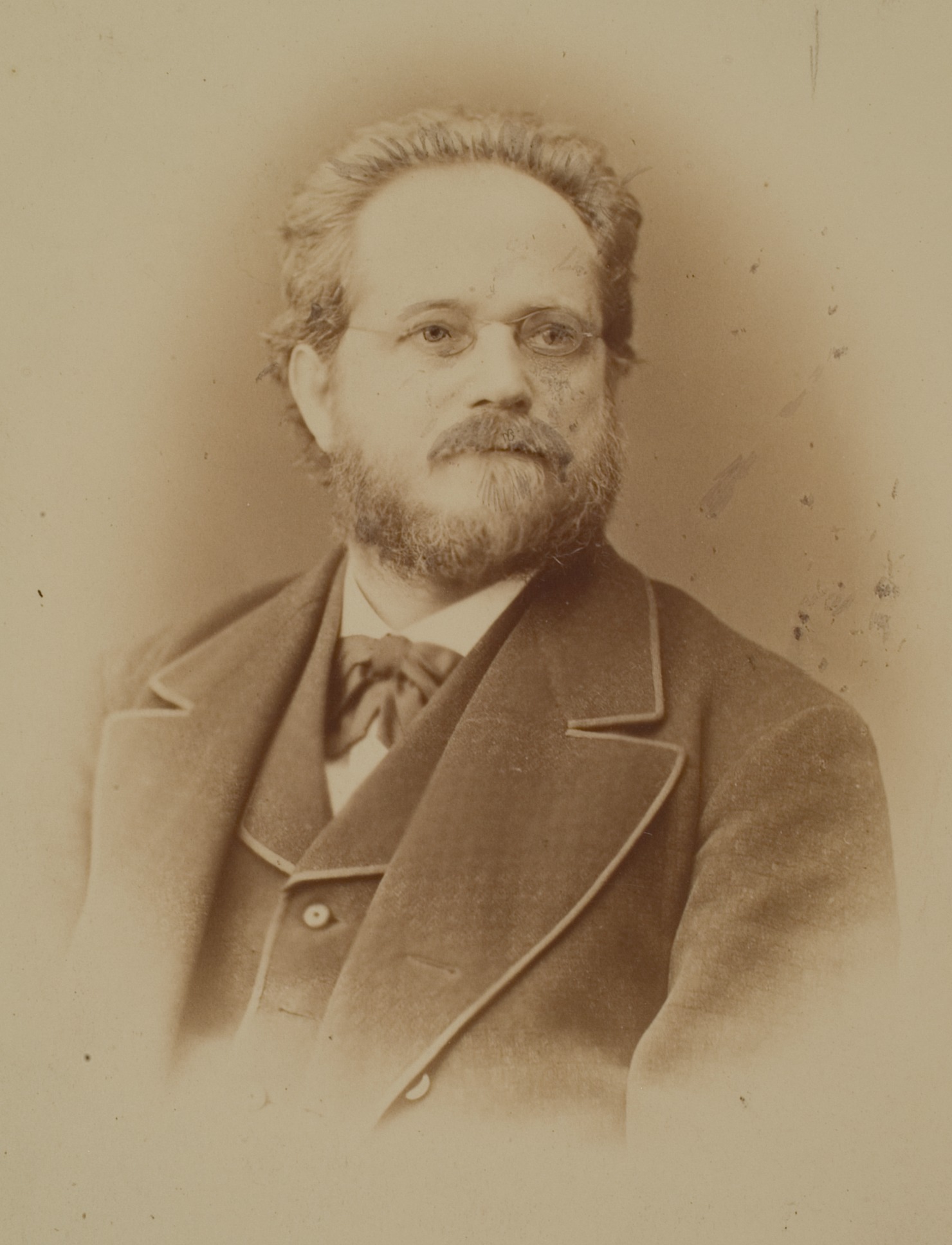
Ludwig Nohl's 1882 biography captures Joseph Haydn at the height of Victorian admiration for musical geniuses, presenting not merely a catalog of symphonies and quartets but a portrait of the man himself: cheerful, mischievous, and remarkably resilient. Born to a poor wheelwright in the Austrian village of Rohrau, Haydn rose through talent and tenacity to become the most celebrated composer in Europe, inventing the symphony and string quartet almost from whole cloth. Nohl traces this unlikely journey from Haydn's boyhood at St. Stephen's Cathedral in Vienna, where poverty and hunger were his constant companions, through his decades of service to the Esterházy family, where his employers' love of music gave him the freedom to experiment that would reshape Western music. The biography shines brightest in its anecdotes: the infamous 'Farewell Symphony' that gradually emptied the orchestra pit as musicians slipped away until only two remained, Haydn's practical jokes, his correspondence with Mozart and later his influence on Beethoven. Nohl presents Haydn as a lovable rogue whose genius was inseparable from his humanity, making this a window into how the Victorians revered their musical heroes.
Editions

Link to this book
Add a free, dofollow link to Lex on your blog, forum, syllabus, or reading list.

<a href="https://lex-books.com/book/life-of-haydn-19bd707b-fd0d-4c94-86af-48225e8034c8"><img src="https://lex-books.com/badges/read-on-lex.svg" alt="Read Life of Haydn by Ludwig Nohl free on Lex" width="160" height="40"></a>[](https://lex-books.com/book/life-of-haydn-19bd707b-fd0d-4c94-86af-48225e8034c8)[url=https://lex-books.com/book/life-of-haydn-19bd707b-fd0d-4c94-86af-48225e8034c8][img]https://lex-books.com/badges/read-on-lex.svg[/img][/url]Read Life of Haydn by Ludwig Nohl free on Lex: https://lex-books.com/book/life-of-haydn-19bd707b-fd0d-4c94-86af-48225e8034c8Cite this book
Reading this edition for a paper or guide? Copy a citation.
Nohl, Ludwig. Life of Haydn. Lex, lex-books.com/book/life-of-haydn-19bd707b-fd0d-4c94-86af-48225e8034c8.Nohl, L. (1882). Life of Haydn. Lex. https://lex-books.com/book/life-of-haydn-19bd707b-fd0d-4c94-86af-48225e8034c8Nohl, Ludwig. Life of Haydn. Lex. https://lex-books.com/book/life-of-haydn-19bd707b-fd0d-4c94-86af-48225e8034c8.