Letters of Marcus Tullius Cicero
1899
Letters of Marcus Tullius Cicero
1899
Translated by Evelyn S. (Evelyn Shirley) Shuckburgh
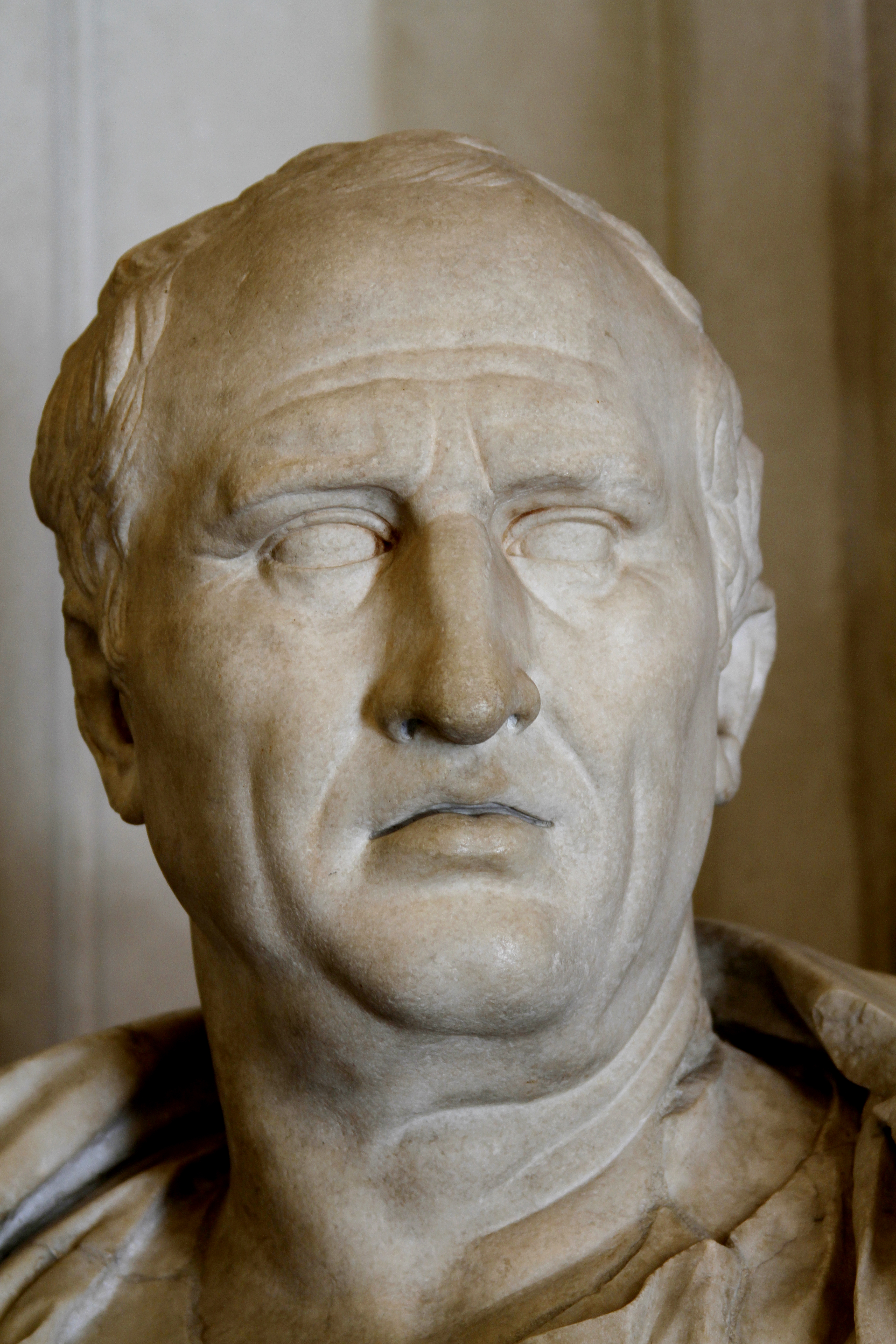
The 'Letters of Marcus Tullius Cicero' is a collection of correspondence written during the late Roman Republic, first published in 1899. These letters provide a unique insight into Cicero's life, blending personal reflections with significant political discourse. They reveal the complexities of Roman society and Cicero's interactions with notable figures such as Pompey, Caesar, and Brutus, while also highlighting his personal dilemmas amidst the political turmoil of the time. This collection illustrates the character of one of Rome's greatest orators and his unwavering commitment to the republic, even as it faced disintegration.
Editions
X-Ray
“Nemo est qui tibi sapientius suadere possit te ipso: numquam labere, si te audies.()””
— Marcus Tullius Cicero
About Letters of Marcus Tullius Cicero
Chapter Summaries
- I
- Cicero writes about his campaign for consul, discussing his competitors and political maneuvering. He also mentions a legal case involving Atticus's uncle that has caused some tension between them.
- II
- Brief note announcing the birth of Cicero's son and discussing the defense of Catiline. Cicero emphasizes the importance of Atticus's return to Rome for political support.
- III
- Formal letter to Pompey expressing satisfaction with his military dispatches while subtly requesting acknowledgment of Cicero's own achievements in saving the Republic.
Key Themes
- Friendship and Loyalty
- The letters reveal the profound importance of personal relationships in Roman society. Cicero's correspondence with Atticus demonstrates how friendship provided emotional support and practical assistance during political upheaval.
- Political Pragmatism vs. Principle
- Cicero constantly wrestles with when to compromise his ideals for political survival. His shifting alliances with Caesar and others reflect the difficult balance between moral consistency and practical necessity.
- The Collapse of Republican Government
- The letters chronicle the death of the Roman Republic through civil wars and the rise of strongmen. Cicero witnesses the transformation from constitutional government to autocracy with both insight and despair.
Characters
- Marcus Tullius Cicero(protagonist)
- Roman statesman, orator, and philosopher writing these letters. A complex figure navigating political upheaval, exile, and personal tragedy with wit and wisdom.
- Titus Pomponius Atticus(major)
- Cicero's dearest friend and primary correspondent. A wealthy, cultured Roman who lived in Athens and maintained political neutrality through shrewd pragmatism.
- Quintus Tullius Cicero(major)
- Cicero's younger brother, a provincial governor and military commander. Devoted to Marcus but sometimes strained by political pressures and family conflicts.
- Gaius Julius Caesar(major)
- The great Roman general and dictator. Though politically opposed to Cicero, he shows personal kindness and respect for the orator's talents.
- Gnaeus Pompeius Magnus (Pompey)(major)
- Powerful Roman general and politician. Cicero's sometime ally whose relationship with Caesar ultimately leads to civil war.
- Terentia(major)
- Cicero's first wife and mother of his children. Their marriage deteriorates over financial disagreements and personal differences.
Link to this book
Add a free, dofollow link to Lex on your blog, forum, syllabus, or reading list.

<a href="https://lex-books.com/book/letters-of-marcus-tullius-cicero-8c9f2de2-df98-4998-b6b4-34824f9bddcb"><img src="https://lex-books.com/badges/read-on-lex.svg" alt="Read Letters of Marcus Tullius Cicero by Marcus Tullius Cicero free on Lex" width="160" height="40"></a>[](https://lex-books.com/book/letters-of-marcus-tullius-cicero-8c9f2de2-df98-4998-b6b4-34824f9bddcb)[url=https://lex-books.com/book/letters-of-marcus-tullius-cicero-8c9f2de2-df98-4998-b6b4-34824f9bddcb][img]https://lex-books.com/badges/read-on-lex.svg[/img][/url]Read Letters of Marcus Tullius Cicero by Marcus Tullius Cicero free on Lex: https://lex-books.com/book/letters-of-marcus-tullius-cicero-8c9f2de2-df98-4998-b6b4-34824f9bddcbCite this book
Reading this edition for a paper or guide? Copy a citation.
Cicero, Marcus Tullius. Letters of Marcus Tullius Cicero. Lex, lex-books.com/book/letters-of-marcus-tullius-cicero-8c9f2de2-df98-4998-b6b4-34824f9bddcb.Cicero, M. T. (1899). Letters of Marcus Tullius Cicero. Lex. https://lex-books.com/book/letters-of-marcus-tullius-cicero-8c9f2de2-df98-4998-b6b4-34824f9bddcbCicero, Marcus Tullius. Letters of Marcus Tullius Cicero. Lex. https://lex-books.com/book/letters-of-marcus-tullius-cicero-8c9f2de2-df98-4998-b6b4-34824f9bddcb.