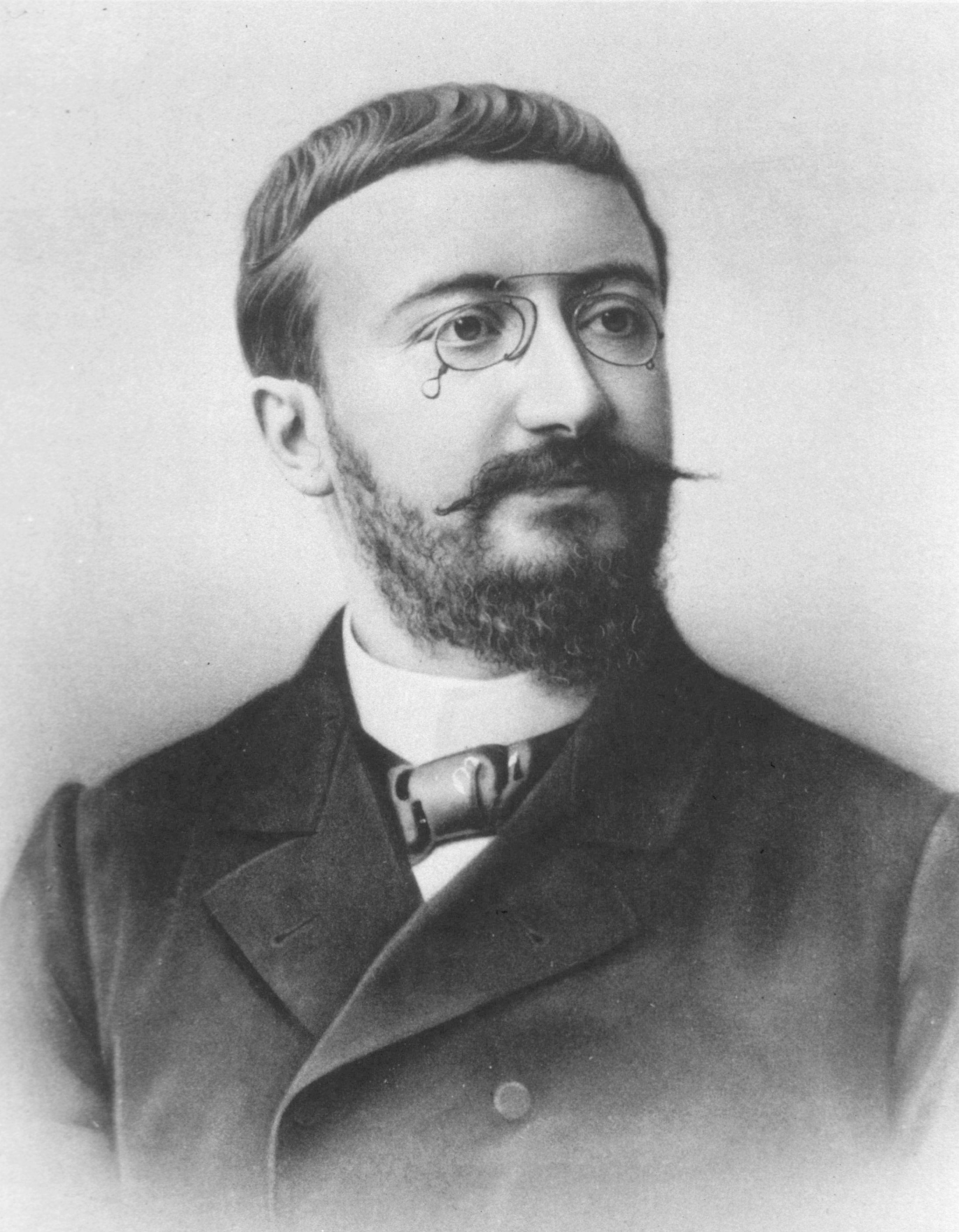
La Suggestibilité
1900
In 1900, Alfred Binet conducted a radical experiment: he asked how easily normal people could be led astray, not through hypnosis, but through the ordinary pressures of authority and expectation. The result was the first scientific study of suggestibility in everyday minds, a work that quietly invented the psychology of testimony decades before it had a name. Binet argued that suggestibility had been wrongly imprisoned within the study of hypnotism, and he insisted on separating these phenomena. His new methods were pedagogical rather than clinical, designed to observe how children and adults absorb and respond to subtle influences when left to learn from their own mistakes. He classified character types by their susceptibility, mapping the human tendency to surrender judgment to suggestion in controlled, reproducible ways. What emerges is a portrait of the mind as infinitely pliable, shaped by invisible social forces. This is the work that predated modern research on persuasion, false memory, and witness testimony by a century. It endures because Binet asked a question we still cannot fully answer: how much of what we believe is truly ours? Essential reading for anyone interested in the origins of experimental psychology or the fragile architecture of human belief.
Editions
X-Ray
Link to this book
Add a free, dofollow link to Lex on your blog, forum, syllabus, or reading list.

<a href="https://lex-books.com/book/la-suggestibilit-6677d2e2-18d2-49bf-9c52-2691f2e86561"><img src="https://lex-books.com/badges/read-on-lex.svg" alt="Read La Suggestibilité by Alfred Binet free on Lex" width="160" height="40"></a>[](https://lex-books.com/book/la-suggestibilit-6677d2e2-18d2-49bf-9c52-2691f2e86561)[url=https://lex-books.com/book/la-suggestibilit-6677d2e2-18d2-49bf-9c52-2691f2e86561][img]https://lex-books.com/badges/read-on-lex.svg[/img][/url]Read La Suggestibilité by Alfred Binet free on Lex: https://lex-books.com/book/la-suggestibilit-6677d2e2-18d2-49bf-9c52-2691f2e86561Cite this book
Reading this edition for a paper or guide? Copy a citation.
Binet, Alfred. La Suggestibilité. Lex, lex-books.com/book/la-suggestibilit-6677d2e2-18d2-49bf-9c52-2691f2e86561.Binet, A. (1900). La Suggestibilité. Lex. https://lex-books.com/book/la-suggestibilit-6677d2e2-18d2-49bf-9c52-2691f2e86561Binet, Alfred. La Suggestibilité. Lex. https://lex-books.com/book/la-suggestibilit-6677d2e2-18d2-49bf-9c52-2691f2e86561.