Job
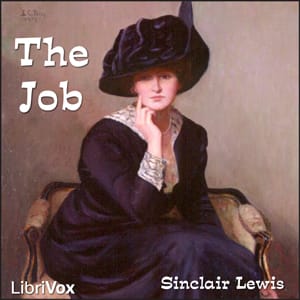
An early feminist masterpiece that reads like a 1919 manifesto disguised as a novel. Una Golden leaves her small Pennsylvania town for New York City with a single, audacious goal: to build a career in commercial real estate, a man's world that has no place for women. She possesses the talent, the drive, and the brains to excel, yet she constantly hits the glass ceiling that her male counterparts sail through effortlessly. Sinclair Lewis maps every indignity, every whispered dismissal, every promotion given to a less capable man simply because he was born male. The novel pulses with righteous anger while also tracing Una's complicated search for love and partnership a woman who refuses to choose between career and romance, between ambition and wholeness. Published in 1919, Job feels startlingly contemporary, as if Lewis wrote it yesterday for the #MeToo generation. It endures because its central question remains unanswered: why must women fight so much harder for the same ground men walk on without thinking?
Editions

Link to this book
Add a free, dofollow link to Lex on your blog, forum, syllabus, or reading list.

<a href="https://lex-books.com/book/job-0d22f227-f8c2-45c8-b789-c70457a1a3cc"><img src="https://lex-books.com/badges/read-on-lex.svg" alt="Read Job by Sinclair Lewis free on Lex" width="160" height="40"></a>[](https://lex-books.com/book/job-0d22f227-f8c2-45c8-b789-c70457a1a3cc)[url=https://lex-books.com/book/job-0d22f227-f8c2-45c8-b789-c70457a1a3cc][img]https://lex-books.com/badges/read-on-lex.svg[/img][/url]Read Job by Sinclair Lewis free on Lex: https://lex-books.com/book/job-0d22f227-f8c2-45c8-b789-c70457a1a3ccCite this book
Reading this edition for a paper or guide? Copy a citation.
Lewis, Sinclair. Job. Lex, lex-books.com/book/job-0d22f227-f8c2-45c8-b789-c70457a1a3cc.Lewis, S. (n.d.). Job. Lex. https://lex-books.com/book/job-0d22f227-f8c2-45c8-b789-c70457a1a3ccLewis, Sinclair. Job. Lex. https://lex-books.com/book/job-0d22f227-f8c2-45c8-b789-c70457a1a3cc.