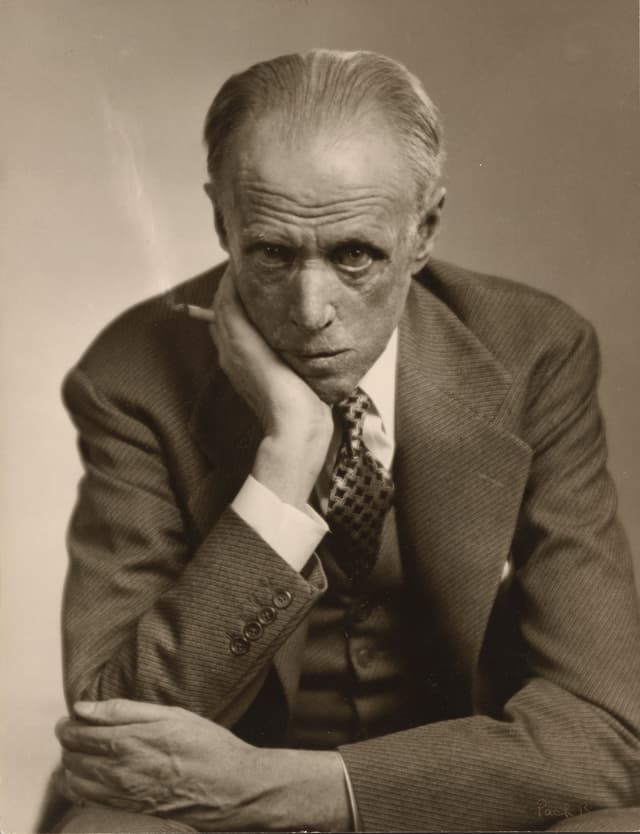
Sinclair Lewis
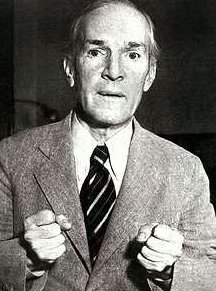
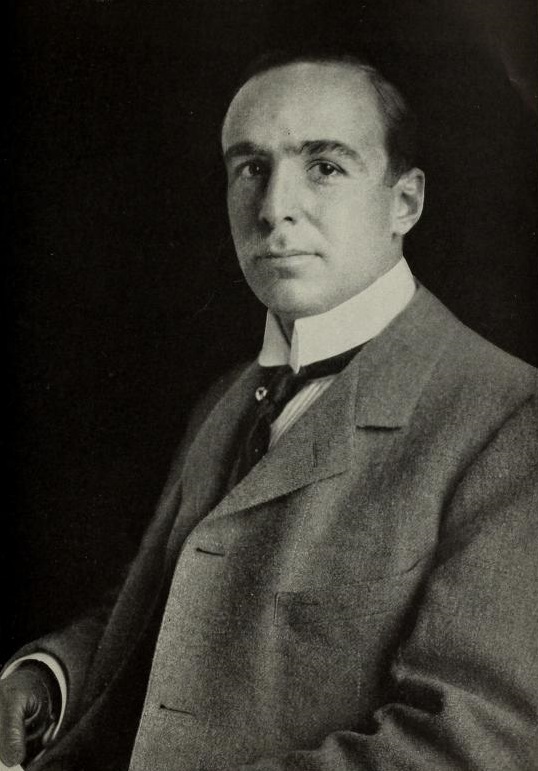
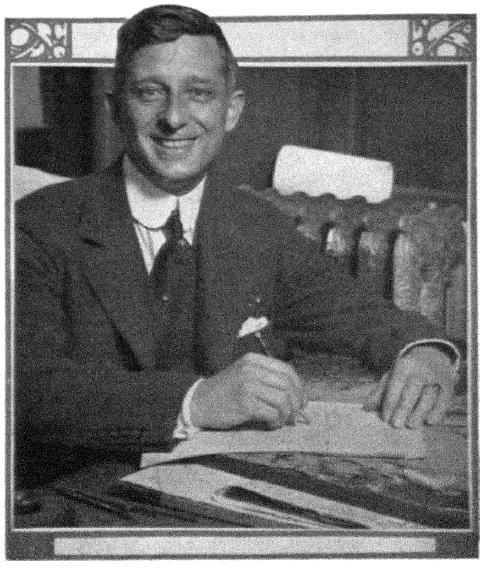
Harry Sinclair Lewis was an influential American novelist, short-story writer, and playwright, renowned for his incisive critiques of American society. He made history in 1930 as the first author from the United States to receive the Nobel Prize in Literature, recognized for his vivid descriptions and the creation of unique characters infused with wit and humor. Lewis's literary career produced several significant works, including 'Main Street' (1920), which challenged small-town American values, and 'Babbitt' (1922), a satirical take on middle-class conformity. His other notable novels, such as 'Arrowsmith' (1925) and 'Elmer Gantry' (1927), further explored themes of capitalism and materialism, reflecting the complexities of American life during the interwar period. Lewis's legacy is marked by his pioneering portrayal of modern working women and his commitment to social commentary. His ability to blend humor with serious critique earned him acclaim from contemporaries, including H. L. Mencken, who hailed him as a true novelist. Through works like 'It Can't Happen Here' (1935), which depicted the rise of fascism in America, Lewis's insights remain relevant, solidifying his status as a key figure in American literature and a voice of social conscience.
Famous Quotes
View all 3 quotes“We'd get sick on too many cookies, but ever so much sicker on no cookies at all.”
“I think perhaps we want a more conscious life.”
“It is impossible to discourage the real writers - they don't give a damn what you say, they're going to write.”
Books from the author
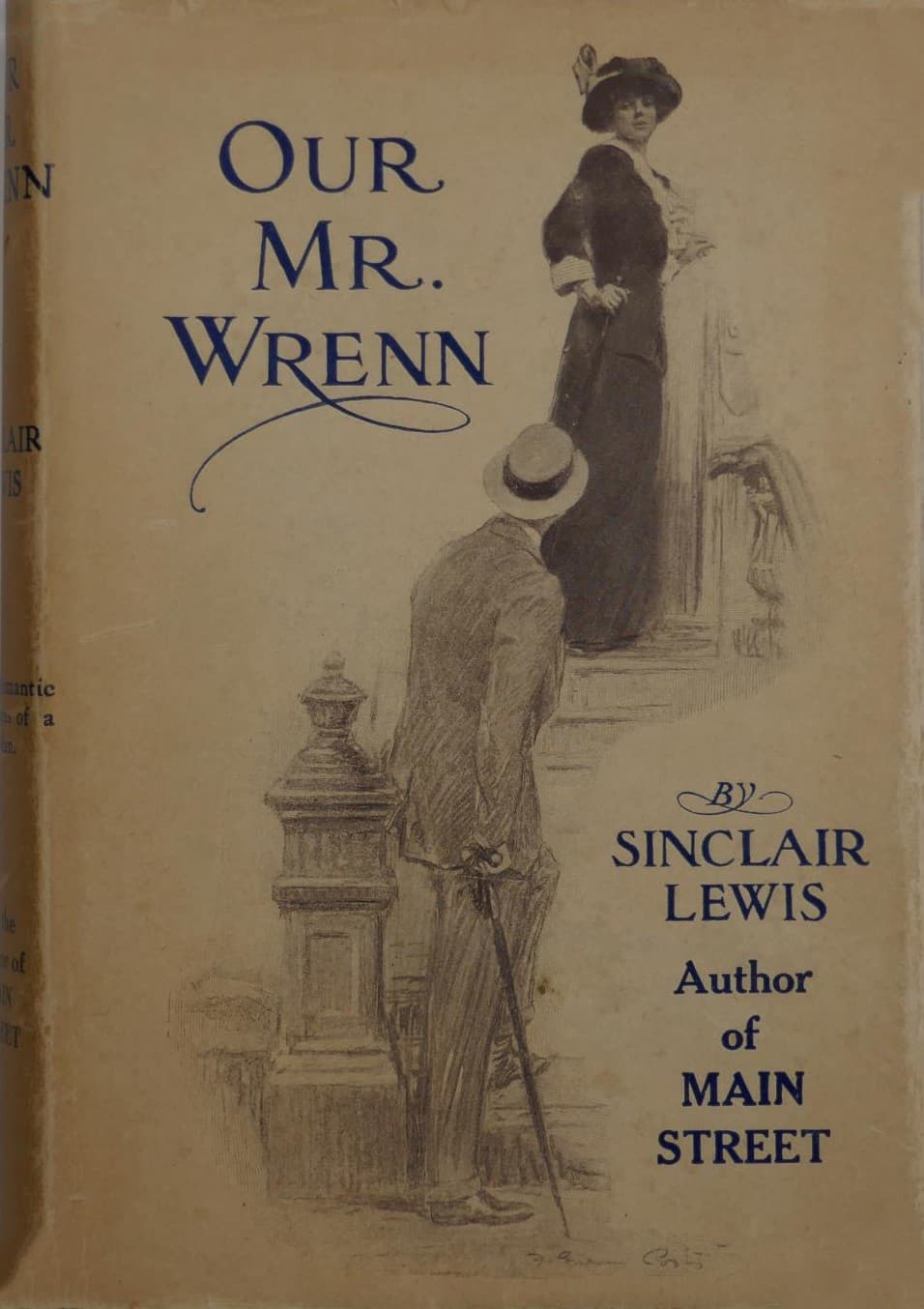
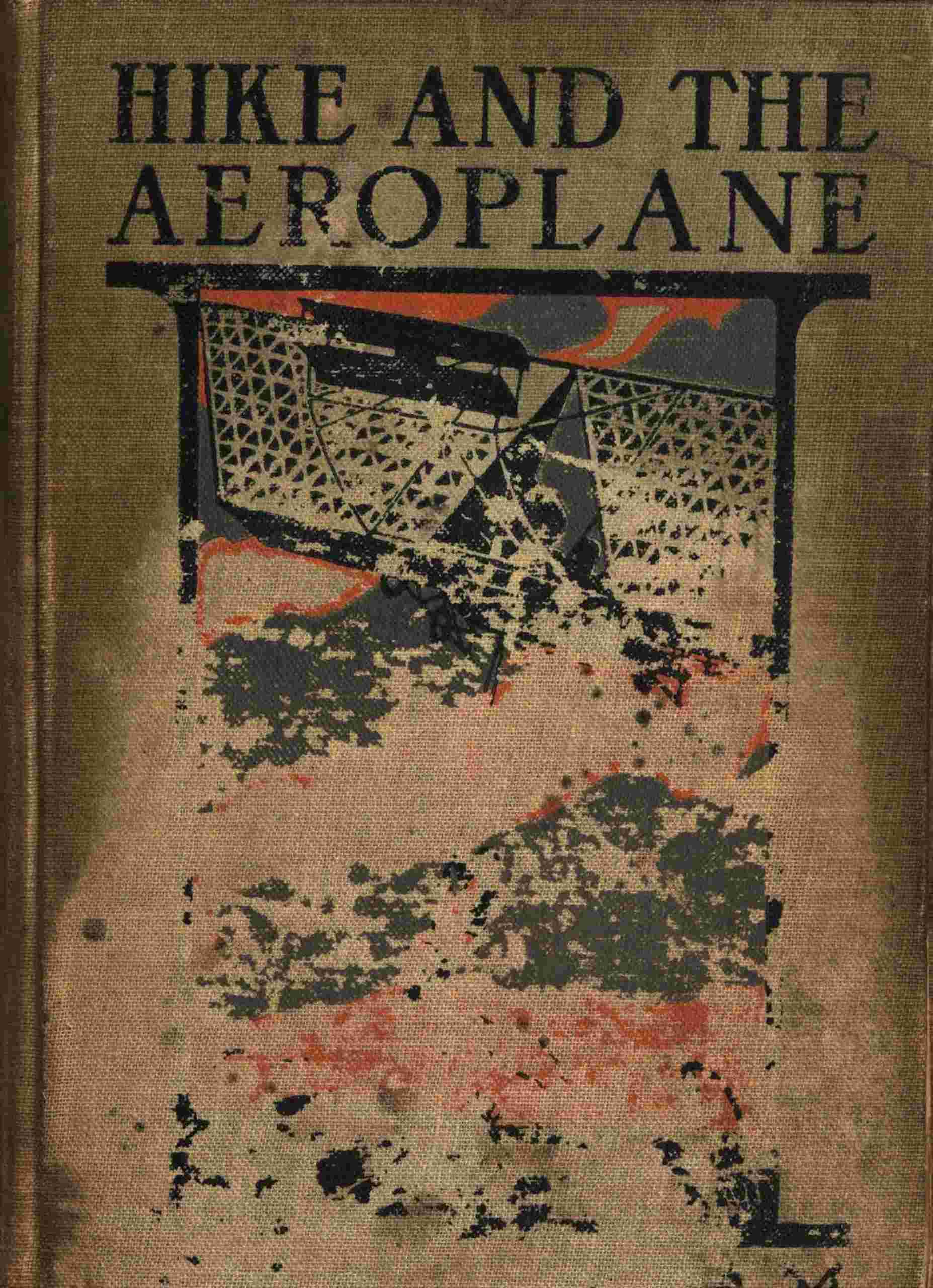


Link to this page
Add a free, dofollow link to Lex on your blog, forum, syllabus, or reading list.

<a href="https://lex-books.com/author/sinclair-lewis"><img src="https://lex-books.com/badges/read-on-lex.svg" alt="Sinclair Lewis on Lex" width="160" height="40"></a>[](https://lex-books.com/author/sinclair-lewis)[url=https://lex-books.com/author/sinclair-lewis][img]https://lex-books.com/badges/read-on-lex.svg[/img][/url]Sinclair Lewis on Lex: https://lex-books.com/author/sinclair-lewis