Japan: An Attempt at Interpretation
Japan: An Attempt at Interpretation
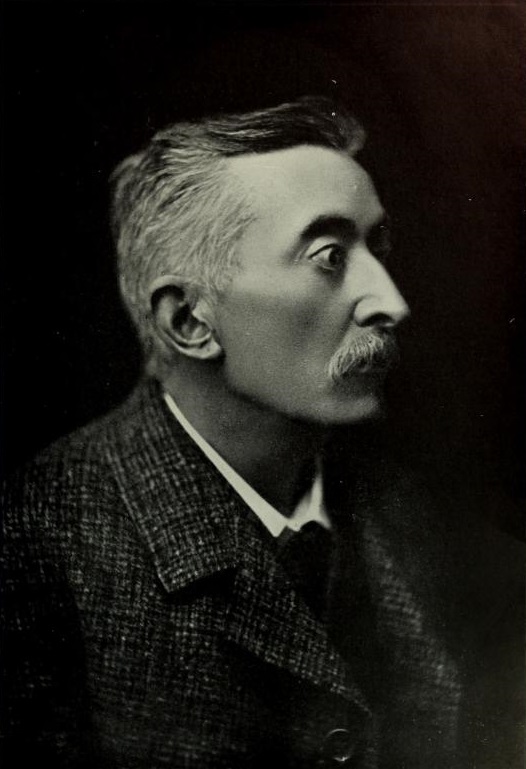
Lafcadio Hearn arrived in Japan in 1890 and never truly left. By the time he wrote this interpretation in 1904, he had become a Japanese citizen, taken the name Koizumi Yakumo, and married into a Japanese family. Yet he remained, in his own words, a perpetual stranger attempting to decipher a civilization whose true essence eludes even its own people. This is not a guidebook to temples and tea ceremonies but a philosopher's meditation on what it means to understand a culture from the outside looking in. Hearn examines the psychological architecture of Japanese life: how ancestor worship shapes family loyalty, how religious sentiment permeates even the smallest daily customs, and how the boundary between the living and dead blur in ways unfamiliar to Western rationality. His prose carries the melancholic beauty of a man forever touching a window he cannot fully enter. The book endures because it captures something timeless about the challenge of cross-cultural understanding, the limits of empathy, and the strange ache of belonging fully to nowhere.
Editions
Link to this book
Add a free, dofollow link to Lex on your blog, forum, syllabus, or reading list.

<a href="https://lex-books.com/book/japan-an-attempt-at-interpretation-0665c20e-3a7f-423c-8494-a46f68afe80d"><img src="https://lex-books.com/badges/read-on-lex.svg" alt="Read Japan: An Attempt at Interpretation by Lafcadio Hearn free on Lex" width="160" height="40"></a>[](https://lex-books.com/book/japan-an-attempt-at-interpretation-0665c20e-3a7f-423c-8494-a46f68afe80d)[url=https://lex-books.com/book/japan-an-attempt-at-interpretation-0665c20e-3a7f-423c-8494-a46f68afe80d][img]https://lex-books.com/badges/read-on-lex.svg[/img][/url]Read Japan: An Attempt at Interpretation by Lafcadio Hearn free on Lex: https://lex-books.com/book/japan-an-attempt-at-interpretation-0665c20e-3a7f-423c-8494-a46f68afe80dCite this book
Reading this edition for a paper or guide? Copy a citation.
Hearn, Lafcadio. Japan: An Attempt at Interpretation. Lex, lex-books.com/book/japan-an-attempt-at-interpretation-0665c20e-3a7f-423c-8494-a46f68afe80d.Hearn, L. (n.d.). Japan: An Attempt at Interpretation. Lex. https://lex-books.com/book/japan-an-attempt-at-interpretation-0665c20e-3a7f-423c-8494-a46f68afe80dHearn, Lafcadio. Japan: An Attempt at Interpretation. Lex. https://lex-books.com/book/japan-an-attempt-at-interpretation-0665c20e-3a7f-423c-8494-a46f68afe80d.