James Watt
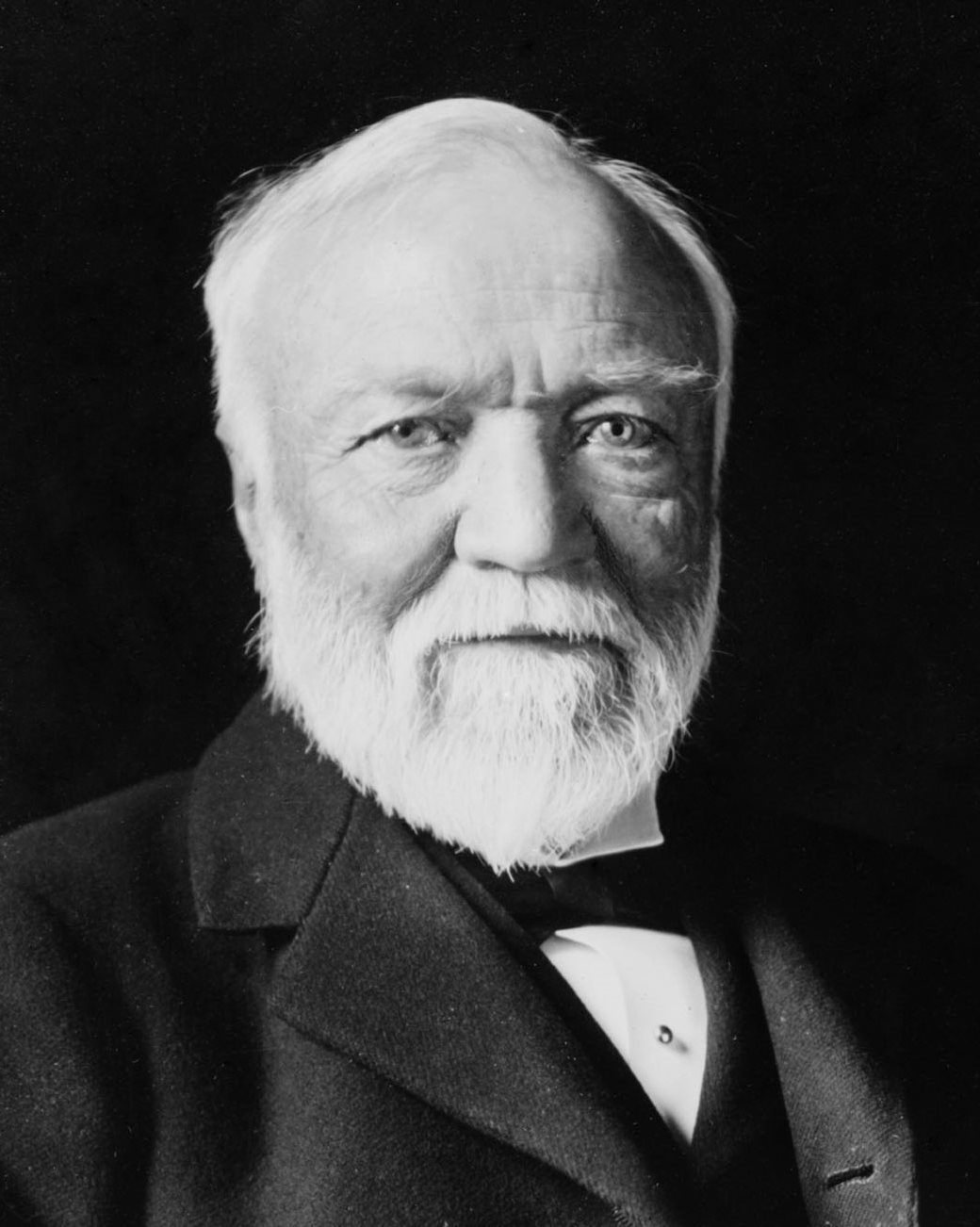
Andrew Carnegie wrote this biography from a position no other author could claim: as a man whose vast fortune was built directly upon James Watt's invention. Carnegie understood that without the steam engine's revolutionary efficiency, there would be no steel empire, no Carnegie Hall. This gives the biography an unusual urgency, as if Carnegie were writing not just about a dead inventor but about the foundation of his own existence. The book traces Watt's life from his sickly childhood in Greenock, where his mother nurtured his fascination with mechanics, through his years as an instrument maker at the University of Glasgow, to his breakthrough realization that the Newcomen engine wasted enormous energy by cooling and reheating the cylinder with every stroke. Watt's solution the separate condenser transformed a crude pump into the engine that would reshape civilization. Carnegie narrates the years of financial struggle, the pivotal partnership with Matthew Boulton in 1775, and the eventual triumph that made Watt wealthy and renamed a unit of power after him. This biography endures because it captures the Industrial Revolution through the eyes of someone who inherited its benefits. It is for readers who want to understand how one invention, properly timed, can alter the trajectory of human history.
Editions
X-Ray
“Nothing man has discovered or imagined is to be named with the steam engine. It has no fellow. Franklin capturing the lightning, Morse annihilating space with the telegraph, Bell transmitting speech through the air by the telephone, are not less mysterious”
— Andrew Carnegie
“Boulton sold the estate which had come to him by his wife, and the greater part of his father's property, and mortgaged the remainder. It is evident that the great captain had taken in hand far too many enterprises. Probably he had not heard the new doctrine: "Put all your eggs in one basket and then watch that basket.””
— Andrew Carnegie
“was killed at Bridge of Dee, September””
— Andrew Carnegie
“An iron railroad would be a cheaper thing than a road of the common construction." Here lay in a few words the idea from which our railway system has sprung.””
— Andrew Carnegie
Link to this book
Add a free, dofollow link to Lex on your blog, forum, syllabus, or reading list.

<a href="https://lex-books.com/book/james-watt-f561bced-20ae-49d5-93f8-3a812bf2f2eb"><img src="https://lex-books.com/badges/read-on-lex.svg" alt="Read James Watt by Andrew Carnegie free on Lex" width="160" height="40"></a>[](https://lex-books.com/book/james-watt-f561bced-20ae-49d5-93f8-3a812bf2f2eb)[url=https://lex-books.com/book/james-watt-f561bced-20ae-49d5-93f8-3a812bf2f2eb][img]https://lex-books.com/badges/read-on-lex.svg[/img][/url]Read James Watt by Andrew Carnegie free on Lex: https://lex-books.com/book/james-watt-f561bced-20ae-49d5-93f8-3a812bf2f2ebCite this book
Reading this edition for a paper or guide? Copy a citation.
Carnegie, Andrew. James Watt. Lex, lex-books.com/book/james-watt-f561bced-20ae-49d5-93f8-3a812bf2f2eb.Carnegie, A. (n.d.). James Watt. Lex. https://lex-books.com/book/james-watt-f561bced-20ae-49d5-93f8-3a812bf2f2ebCarnegie, Andrew. James Watt. Lex. https://lex-books.com/book/james-watt-f561bced-20ae-49d5-93f8-3a812bf2f2eb.