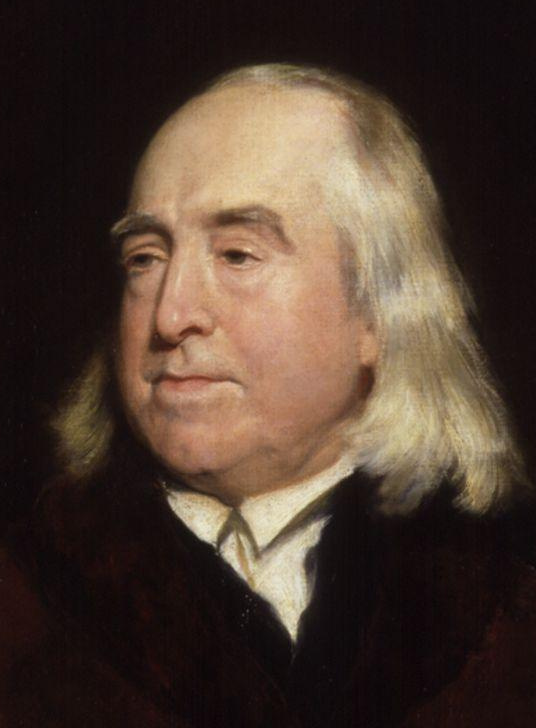
Introduction to the Principles of Morals and Legislation

Jeremy Bentham's 1789 masterpiece invented a way of thinking that would reshape the modern world. He argued that morality is not a matter of divine commands, natural rights, or abstract virtue, but a simple empirical question: does an action produce pleasure or pain? This "principle of utility" - the greatest good for the greatest number - became the foundation of utilitarianism and revolutionized how we think about law, punishment, and governance. Bentham believed legislation should be treated like engineering: design laws to maximize human happiness, measure their consequences, and revise what fails. He developed a systematic "hedonic calculus" to quantify pleasure and suffering, applying it to everything from criminal punishment to public policy. Though written over two centuries ago, this text remains the essential starting point for anyone grappling with the central question of consequentialist ethics: how should we decide what is right when every action affects many people?
Editions

Read by
Group Narration
12 readers
Jc Guan, Claude Banta, Anna Simon, Ruth Golding +8 more
Link to this book
Add a free, dofollow link to Lex on your blog, forum, syllabus, or reading list.

<a href="https://lex-books.com/book/introduction-to-the-principles-of-morals-and-legislation-353d75a6-4eac-4ef1-9bd2-10a0f97c647e"><img src="https://lex-books.com/badges/read-on-lex.svg" alt="Read Introduction to the Principles of Morals and Legislation by Jeremy Bentham free on Lex" width="160" height="40"></a>[](https://lex-books.com/book/introduction-to-the-principles-of-morals-and-legislation-353d75a6-4eac-4ef1-9bd2-10a0f97c647e)[url=https://lex-books.com/book/introduction-to-the-principles-of-morals-and-legislation-353d75a6-4eac-4ef1-9bd2-10a0f97c647e][img]https://lex-books.com/badges/read-on-lex.svg[/img][/url]Read Introduction to the Principles of Morals and Legislation by Jeremy Bentham free on Lex: https://lex-books.com/book/introduction-to-the-principles-of-morals-and-legislation-353d75a6-4eac-4ef1-9bd2-10a0f97c647eCite this book
Reading this edition for a paper or guide? Copy a citation.
Bentham, Jeremy. Introduction to the Principles of Morals and Legislation. Lex, lex-books.com/book/introduction-to-the-principles-of-morals-and-legislation-353d75a6-4eac-4ef1-9bd2-10a0f97c647e.Bentham, J. (n.d.). Introduction to the Principles of Morals and Legislation. Lex. https://lex-books.com/book/introduction-to-the-principles-of-morals-and-legislation-353d75a6-4eac-4ef1-9bd2-10a0f97c647eBentham, Jeremy. Introduction to the Principles of Morals and Legislation. Lex. https://lex-books.com/book/introduction-to-the-principles-of-morals-and-legislation-353d75a6-4eac-4ef1-9bd2-10a0f97c647e.