International Copyright: Considered in Some of Its Relations to Ethics and Political Economy
International Copyright: Considered in Some of Its Relations to Ethics and Political Economy
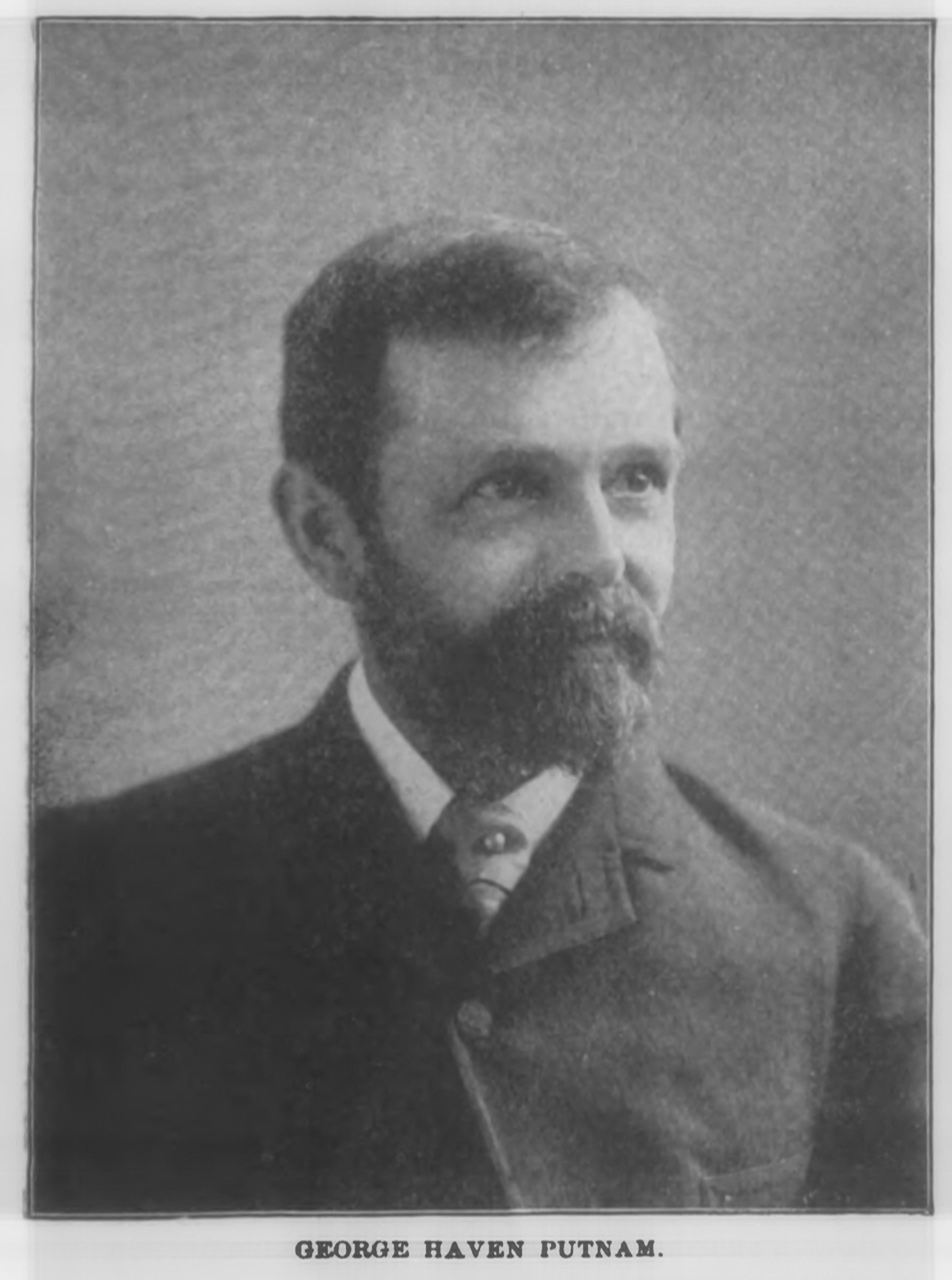
Delivered as an address in 1878, this slender but fierce manifesto argues that authors deserve the same legal protections as any other laborers. George Haven Putnam draws on ethics and political economy to make an audacious claim: literature is intellectual labor, produced through genuine effort and deserving fair compensation. He chronicles how the absence of international copyright agreements leaves American authors vulnerable, shut out of foreign royalties while their own markets flood with unprotected foreign works. Putnam's argument isn't merely legalistic; it's rooted in a vision of literature as a profession worthy of dignity and economic security. This pamphlet captures a pivotal moment in the history of creative rights, when writers began organizing to demand recognition of their work as legitimate property. For anyone interested in the foundations of modern intellectual property law, or the economics of authorship across cultures, Putnam's arguments remain strikingly prescient.
Editions
Link to this book
Add a free, dofollow link to Lex on your blog, forum, syllabus, or reading list.

<a href="https://lex-books.com/book/international-copyright-considered-in-some-of-its-relations-to-ethics-and-politi-2e19c323-499b-4e45-9558-1a4161e5299c"><img src="https://lex-books.com/badges/read-on-lex.svg" alt="Read International Copyright: Considered in Some of Its Relations to Ethics and Political Economy by George Haven Putnam free on Lex" width="160" height="40"></a>[](https://lex-books.com/book/international-copyright-considered-in-some-of-its-relations-to-ethics-and-politi-2e19c323-499b-4e45-9558-1a4161e5299c)[url=https://lex-books.com/book/international-copyright-considered-in-some-of-its-relations-to-ethics-and-politi-2e19c323-499b-4e45-9558-1a4161e5299c][img]https://lex-books.com/badges/read-on-lex.svg[/img][/url]Read International Copyright: Considered in Some of Its Relations to Ethics and Political Economy by George Haven Putnam free on Lex: https://lex-books.com/book/international-copyright-considered-in-some-of-its-relations-to-ethics-and-politi-2e19c323-499b-4e45-9558-1a4161e5299cCite this book
Reading this edition for a paper or guide? Copy a citation.
Putnam, George Haven. International Copyright: Considered in Some of Its Relations to Ethics and Political Economy. Lex, lex-books.com/book/international-copyright-considered-in-some-of-its-relations-to-ethics-and-politi-2e19c323-499b-4e45-9558-1a4161e5299c.Putnam, G. H. (n.d.). International Copyright: Considered in Some of Its Relations to Ethics and Political Economy. Lex. https://lex-books.com/book/international-copyright-considered-in-some-of-its-relations-to-ethics-and-politi-2e19c323-499b-4e45-9558-1a4161e5299cPutnam, George Haven. International Copyright: Considered in Some of Its Relations to Ethics and Political Economy. Lex. https://lex-books.com/book/international-copyright-considered-in-some-of-its-relations-to-ethics-and-politi-2e19c323-499b-4e45-9558-1a4161e5299c.