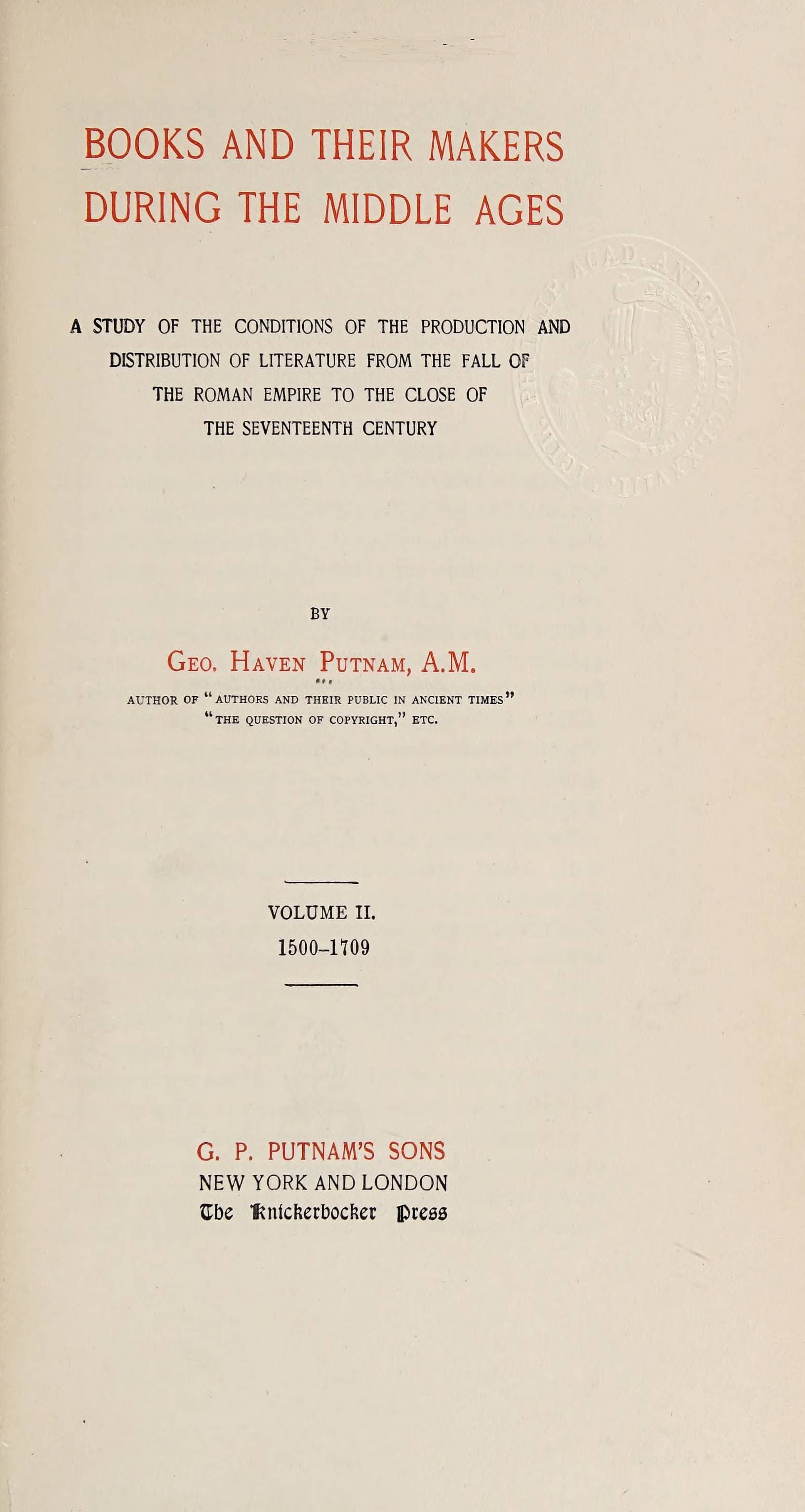
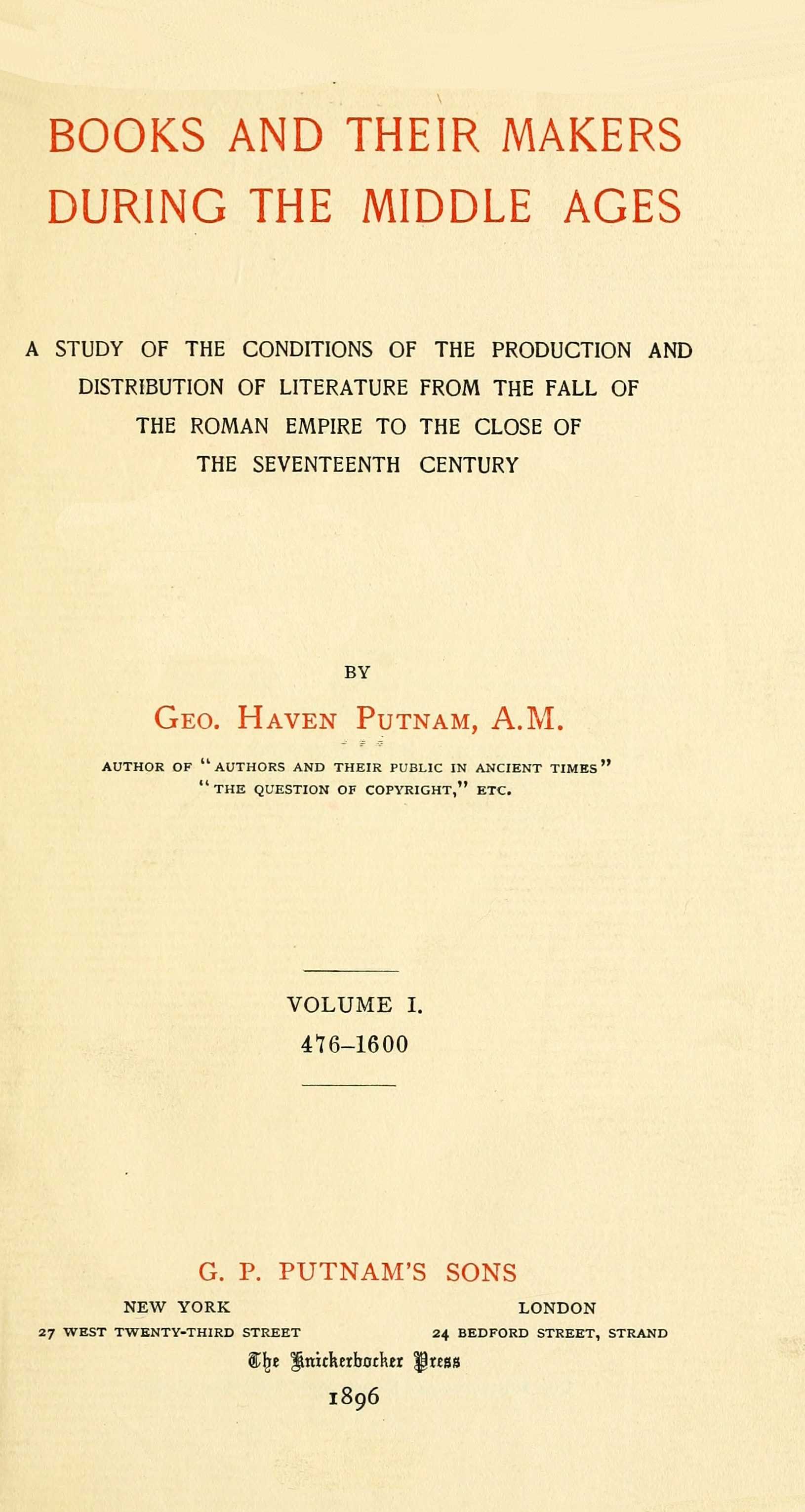
Books and Their Makers During the Middle Ages: A Study of the Conditions of the Production and Distribution of Literature from the Fall of the Roman Empire to the Close of the Seventeenth Century, Vol. I
1896
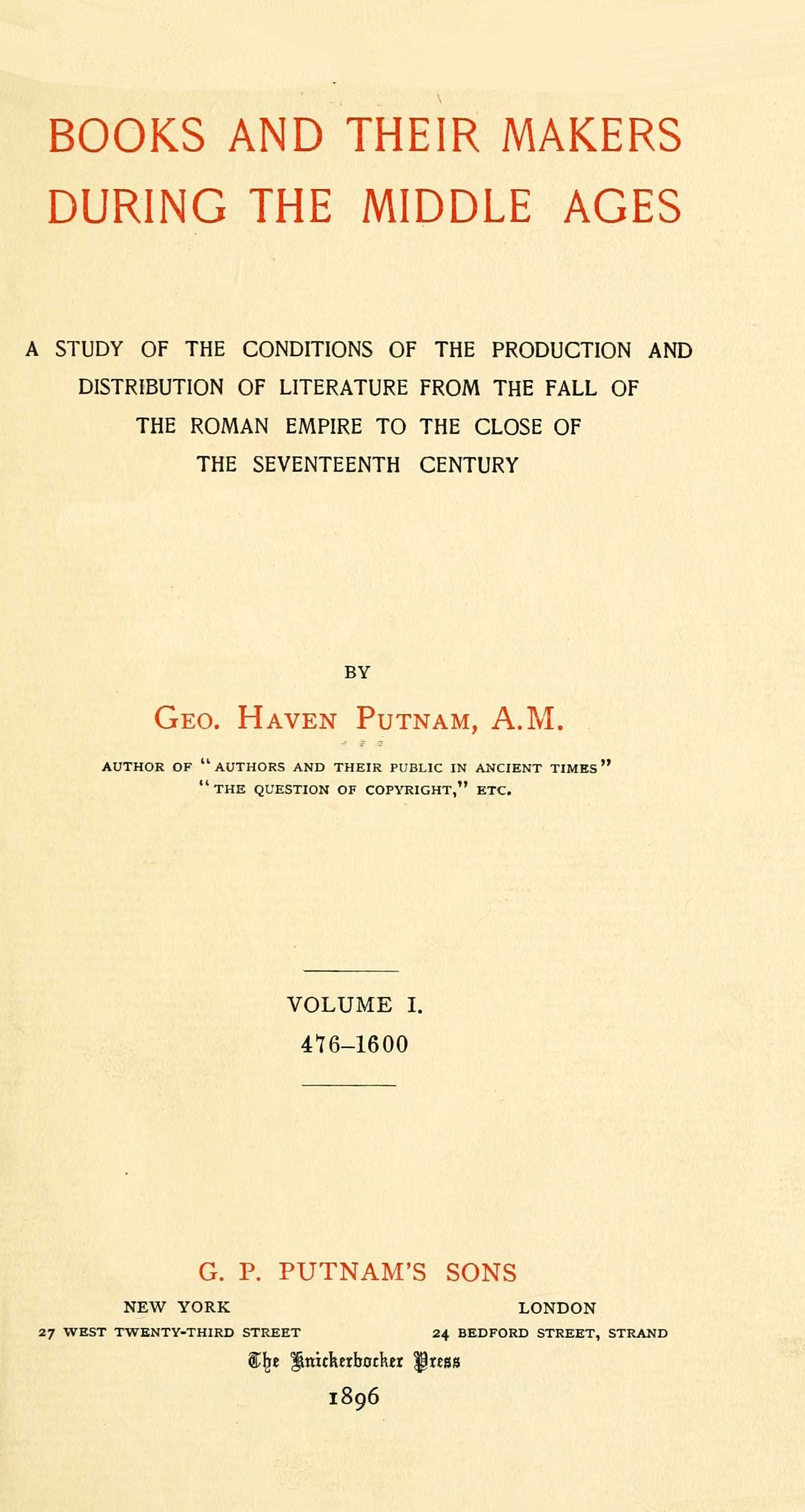
Books and Their Makers During the Middle Ages: A Study of the Conditions of the Production and Distribution of Literature from the Fall of the Roman Empire to the Close of the Seventeenth Century, Vol. I
1896
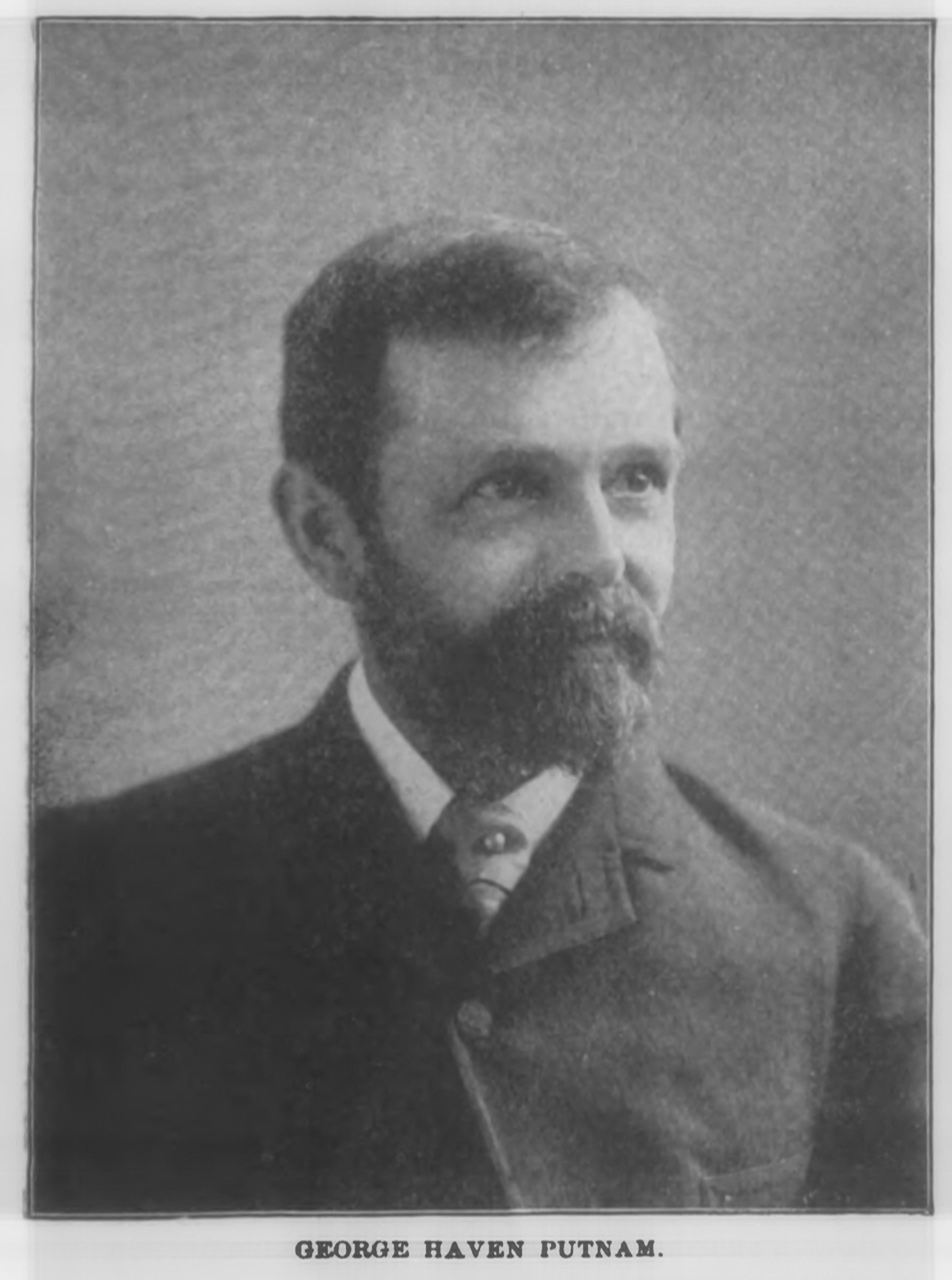
This is a monumental work of deep learning, written by a man who understood books both as artifacts and as businesses. George Haven Putnam was the head of a major publishing house who had fought in the Civil War and campaigned for international copyright law, and he brings that practical wisdom to a sweeping history of how literature survived and spread across a thousand years of European darkness and renewal. The book traces the extraordinary journey of the written word from the collapse of Roman intellectual life through the monasteries that became islands of learning, to the rise of universities and finally the printing press revolution. Putnam writes with the confidence of someone who had spent his life thinking about how words reach readers, and his attention to the economics and logistics of medieval publishing gives this history a grounded, material quality often missing from more abstract literary histories. This is scholarship in the old style: thorough, opinionated, and certain that knowing how books were made matters. For anyone who has ever wondered how we got from scratched wax tablets to the printed page, this remains an essential and surprisingly gripping account.
Editions
X-Ray
Magnus Aurelius Cassiodorus Senator, a Greek-Italian statesman and monk who served Gothic kings and founded the monastery of Vivaria. He established the first European scriptorium and preserved classical literature through monastic scribes.
Founder of the Benedictine Order and Monte Cassino monastery in 529. His Rule required monks to spend hours daily in the scriptorium, making literary work a religious duty.
English Benedictine monk who became Charlemagne's educational advisor. He organized imperial schools and standardized script, preserving classical learning through the Carolingian Renaissance.
Holy Roman Emperor who established imperial schools and promoted literacy throughout his realm. His educational reforms helped preserve classical learning during the Dark Ages.
About Books and Their Makers During the Middle Ages: A Study of the Conditions of the Production and Distribution of Literature from the Fall of the Roman Empire to the Close of the Seventeenth Century, Vol. I
Chapter Summaries
- Introductory
- Describes the collapse of Roman literary culture after 410 AD and the emergence of monastic scribes as preservers of classical texts. Sets the stage for the medieval manuscript period.
- 1
- Chronicles the establishment of scriptoria by Cassiodorus and S. Benedict, the development of monastic writing as religious duty, and the preservation of classical literature through monastery scribes across Europe.
- 2
- Surveys major manuscript collections from monastery libraries to royal collections, describing their contents, organization, and the systems for lending and exchanging books between institutions.
Key Themes
- Preservation of Knowledge
- The central theme explores how monastic scribes saved classical literature from destruction during the Dark Ages. Without their dedicated copying work, most ancient texts would have been lost forever.
- Church vs. Classical Learning
- The tension between Christian doctrine and pagan classical texts created ongoing debates. Some church leaders opposed copying 'heathen' works, while others recognized their educational value.
- Transition from Oral to Written Culture
- The shift from oral tradition to manuscript culture transformed how knowledge was preserved and transmitted. Monasteries became centers of literacy in an increasingly illiterate world.
Characters
- Cassiodorus(protagonist)
- Magnus Aurelius Cassiodorus Senator, a Greek-Italian statesman and monk who served Gothic kings and founded the monastery of Vivaria. He established the first European scriptorium and preserved classical literature through monastic scribes.
- S. Benedict(protagonist)
- Founder of the Benedictine Order and Monte Cassino monastery in 529. His Rule required monks to spend hours daily in the scriptorium, making literary work a religious duty.
- Alcuin(major)
- English Benedictine monk who became Charlemagne's educational advisor. He organized imperial schools and standardized script, preserving classical learning through the Carolingian Renaissance.
- Charlemagne(major)
- Holy Roman Emperor who established imperial schools and promoted literacy throughout his realm. His educational reforms helped preserve classical learning during the Dark Ages.
- Theodoric(major)
- Gothic king of Italy who employed Cassiodorus as minister. He promoted classical learning and maintained Roman administrative traditions in his kingdom.
- S. Columba(major)
- Irish monk and poet known as the Apostle to Caledonia. Founded 27 monasteries and was involved in the first recorded copyright dispute over manuscript copying.
Link to this book
Add a free, dofollow link to Lex on your blog, forum, syllabus, or reading list.

<a href="https://lex-books.com/book/books-and-their-makers-during-the-middle-ages-a-study-of-the-conditions-of-the-p-e6040a8a-e1a3-4be7-ab19-7c8eb7813c5a"><img src="https://lex-books.com/badges/read-on-lex.svg" alt="Read Books and Their Makers During the Middle Ages: A Study of the Conditions of the Production and Distribution of Literature from the Fall of the Roman Empire to the Close of the Seventeenth Century, Vol. I by George Haven Putnam free on Lex" width="160" height="40"></a>[](https://lex-books.com/book/books-and-their-makers-during-the-middle-ages-a-study-of-the-conditions-of-the-p-e6040a8a-e1a3-4be7-ab19-7c8eb7813c5a)[url=https://lex-books.com/book/books-and-their-makers-during-the-middle-ages-a-study-of-the-conditions-of-the-p-e6040a8a-e1a3-4be7-ab19-7c8eb7813c5a][img]https://lex-books.com/badges/read-on-lex.svg[/img][/url]Read Books and Their Makers During the Middle Ages: A Study of the Conditions of the Production and Distribution of Literature from the Fall of the Roman Empire to the Close of the Seventeenth Century, Vol. I by George Haven Putnam free on Lex: https://lex-books.com/book/books-and-their-makers-during-the-middle-ages-a-study-of-the-conditions-of-the-p-e6040a8a-e1a3-4be7-ab19-7c8eb7813c5aCite this book
Reading this edition for a paper or guide? Copy a citation.
Putnam, George Haven. Books and Their Makers During the Middle Ages: A Study of the Conditions of the Production and Distribution of Literature from the Fall of the Roman Empire to the Close of the Seventeenth Century, Vol. I. Lex, lex-books.com/book/books-and-their-makers-during-the-middle-ages-a-study-of-the-conditions-of-the-p-e6040a8a-e1a3-4be7-ab19-7c8eb7813c5a.Putnam, G. H. (1896). Books and Their Makers During the Middle Ages: A Study of the Conditions of the Production and Distribution of Literature from the Fall of the Roman Empire to the Close of the Seventeenth Century, Vol. I. Lex. https://lex-books.com/book/books-and-their-makers-during-the-middle-ages-a-study-of-the-conditions-of-the-p-e6040a8a-e1a3-4be7-ab19-7c8eb7813c5aPutnam, George Haven. Books and Their Makers During the Middle Ages: A Study of the Conditions of the Production and Distribution of Literature from the Fall of the Roman Empire to the Close of the Seventeenth Century, Vol. I. Lex. https://lex-books.com/book/books-and-their-makers-during-the-middle-ages-a-study-of-the-conditions-of-the-p-e6040a8a-e1a3-4be7-ab19-7c8eb7813c5a.