In Memoriam A.H.H.
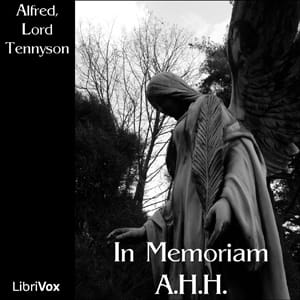
When Arthur Henry Hallam died suddenly at twenty-two, his friend Alfred Tennyson lost not just a companion but a version of himself. What began as private grief became, over seventeen years, one of the most intimate and haunting elegies in the English language. Written in fragmented cantos that move through seasons, dreams, and the landscape of loss, In Memoriam traces the poet's agonizing passage from sorrow to something like grace, though never quite to certainty. Tennyson's verses wrestle with faith, with nature's indifference, with the terrible persistence of memory, and with the desperate hope that the dead might somehow persist. The poem shaped how the Victorians mourned, how they doubted, how they found beauty in melancholy. Queen Victoria found solace in these pages during her own widowhood, but the work belongs to anyone who has ever stood at the edge of an unfillable absence and searched the dark for meaning.
Editions

Link to this book
Add a free, dofollow link to Lex on your blog, forum, syllabus, or reading list.

<a href="https://lex-books.com/book/in-memoriam-a-h-h-40c95775-d908-45c6-b009-c72f2a2b1533"><img src="https://lex-books.com/badges/read-on-lex.svg" alt="Read In Memoriam A.H.H. by Alfred, Lord Tennyson free on Lex" width="160" height="40"></a>[](https://lex-books.com/book/in-memoriam-a-h-h-40c95775-d908-45c6-b009-c72f2a2b1533)[url=https://lex-books.com/book/in-memoriam-a-h-h-40c95775-d908-45c6-b009-c72f2a2b1533][img]https://lex-books.com/badges/read-on-lex.svg[/img][/url]Read In Memoriam A.H.H. by Alfred, Lord Tennyson free on Lex: https://lex-books.com/book/in-memoriam-a-h-h-40c95775-d908-45c6-b009-c72f2a2b1533Cite this book
Reading this edition for a paper or guide? Copy a citation.
Alfred, Lord Tennyson. In Memoriam A.H.H.. Lex, lex-books.com/book/in-memoriam-a-h-h-40c95775-d908-45c6-b009-c72f2a2b1533.Alfred, L. T. (n.d.). In Memoriam A.H.H.. Lex. https://lex-books.com/book/in-memoriam-a-h-h-40c95775-d908-45c6-b009-c72f2a2b1533Alfred, Lord Tennyson. In Memoriam A.H.H.. Lex. https://lex-books.com/book/in-memoriam-a-h-h-40c95775-d908-45c6-b009-c72f2a2b1533.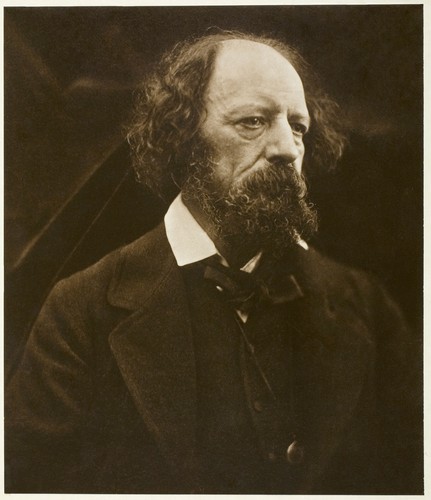


![Birds and Nature, Vol. 12 No. 1 [June 1902]illustrated by Color Photography](/_next/image?url=https%3A%2F%2Fd3b2n8gj62qnwr.cloudfront.net%2FCOVERS%2Fgutenberg_covers75k%2Febook-47881.png&w=3840&q=75)