Hurrell Froude: Memoranda and Comments
1904
Hurrell Froude: Memoranda and Comments
1904
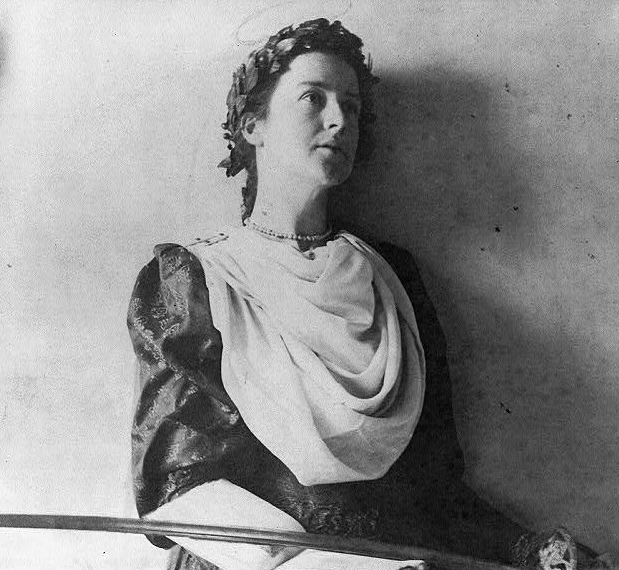
Richard Hurrell Froude lived only thirty-three years, but those years crackled with the religious energy that would reshape English Christianity. Louise Imogen Guiney's 1904 biography resurrects a figure often reduced to a footnote in the story of the Oxford Movement, revealing instead a man of ferocious intellect and restless spirit. She traces his formation through his mother's intellectual force and his father's academic rigor, then follows him into the friendships with John Keble and John Henry Newman that would make him a founding architect of religious revolution. Froude emerges not as a theological abstraction but as someone who wrestled with belief in his very marrow, whose unpublished journals Newman released after Froude's death because they mattered too much to vanish. The tragedy of his early death from tuberculosis only sharpens the loss. Guiney writes with an American poet's sensibility for precision and elegy, making this both historical recovery and act of literary devotion.
Editions

Link to this book
Add a free, dofollow link to Lex on your blog, forum, syllabus, or reading list.

<a href="https://lex-books.com/book/hurrell-froude-memoranda-and-comments-5d95d875-463e-48b2-be52-6a92ab7d94c7"><img src="https://lex-books.com/badges/read-on-lex.svg" alt="Read Hurrell Froude: Memoranda and Comments by Louise Imogen Guiney free on Lex" width="160" height="40"></a>[](https://lex-books.com/book/hurrell-froude-memoranda-and-comments-5d95d875-463e-48b2-be52-6a92ab7d94c7)[url=https://lex-books.com/book/hurrell-froude-memoranda-and-comments-5d95d875-463e-48b2-be52-6a92ab7d94c7][img]https://lex-books.com/badges/read-on-lex.svg[/img][/url]Read Hurrell Froude: Memoranda and Comments by Louise Imogen Guiney free on Lex: https://lex-books.com/book/hurrell-froude-memoranda-and-comments-5d95d875-463e-48b2-be52-6a92ab7d94c7Cite this book
Reading this edition for a paper or guide? Copy a citation.
Guiney, Louise Imogen. Hurrell Froude: Memoranda and Comments. Lex, lex-books.com/book/hurrell-froude-memoranda-and-comments-5d95d875-463e-48b2-be52-6a92ab7d94c7.Guiney, L. I. (1904). Hurrell Froude: Memoranda and Comments. Lex. https://lex-books.com/book/hurrell-froude-memoranda-and-comments-5d95d875-463e-48b2-be52-6a92ab7d94c7Guiney, Louise Imogen. Hurrell Froude: Memoranda and Comments. Lex. https://lex-books.com/book/hurrell-froude-memoranda-and-comments-5d95d875-463e-48b2-be52-6a92ab7d94c7.