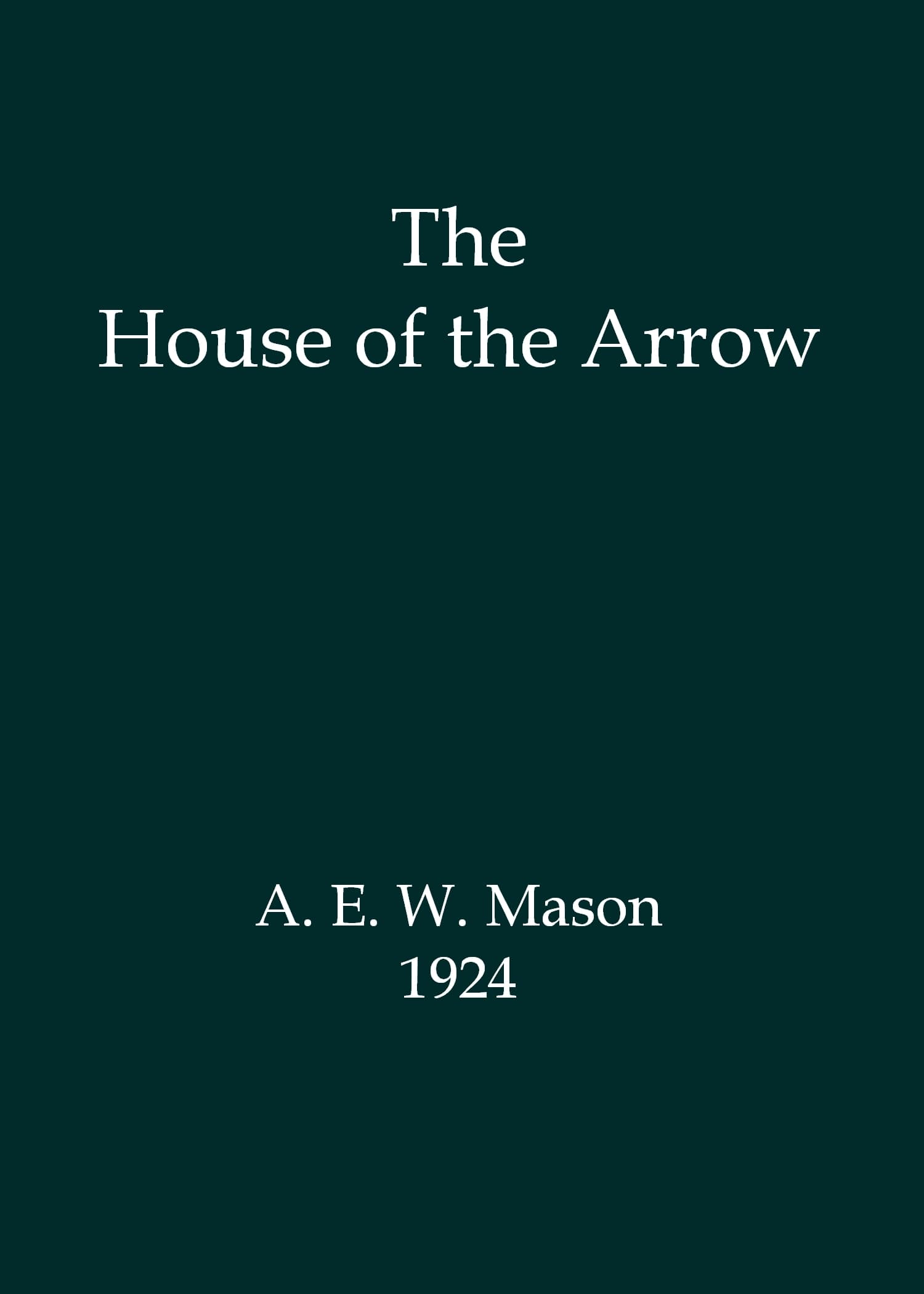
House Of The Arrow
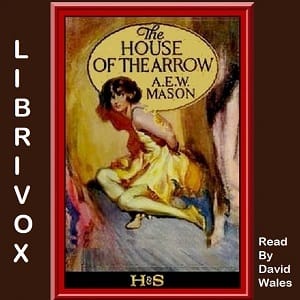
In 1910, A.E.W. Mason set out to create the anti-Holmes. Where Conan Doyle's detective was a gaunt Victorian amateur relying on forensic trinkets, Inspector Gabriel Hanaud is a stout French professional who plumbs the depths of the human mind instead. This, his first appearance, introduces a detective tradition that would eventually influence Agatha Christie's own Belgian creation. When a young English girl is accused of murdering her French aunt in the provincial city of Dijon, Hanaud arrives to find not a puzzle of footprints and tobacco ash, but a labyrinth of passion, jealousy, and suppressed violence hidden behind respectable bourgeois doors. The girl protests her innocence with such conviction that even Hanaud, hardened by years in the Sûreté, finds himself questioning whether the obvious suspect might be the perfect decoy. The resolution arrives not through a magnifying glass, but through a quiet observation of human nature that makes the reader feel foolish for missing what was always there. Over a century later, House of the Arrow remains a masterclass in psychological detection, a novel that proves the most dangerous weapon in any investigation is not logic, but understanding the heart.
Editions

Link to this book
Add a free, dofollow link to Lex on your blog, forum, syllabus, or reading list.

<a href="https://lex-books.com/book/house-of-the-arrow-1d3cd7db-bb6a-4c55-acbb-513bcd187ef9"><img src="https://lex-books.com/badges/read-on-lex.svg" alt="Read House Of The Arrow by A. E. W. Mason free on Lex" width="160" height="40"></a>[](https://lex-books.com/book/house-of-the-arrow-1d3cd7db-bb6a-4c55-acbb-513bcd187ef9)[url=https://lex-books.com/book/house-of-the-arrow-1d3cd7db-bb6a-4c55-acbb-513bcd187ef9][img]https://lex-books.com/badges/read-on-lex.svg[/img][/url]Read House Of The Arrow by A. E. W. Mason free on Lex: https://lex-books.com/book/house-of-the-arrow-1d3cd7db-bb6a-4c55-acbb-513bcd187ef9Cite this book
Reading this edition for a paper or guide? Copy a citation.
Mason, A. E. W.. House Of The Arrow. Lex, lex-books.com/book/house-of-the-arrow-1d3cd7db-bb6a-4c55-acbb-513bcd187ef9.Mason, A. E. W. (n.d.). House Of The Arrow. Lex. https://lex-books.com/book/house-of-the-arrow-1d3cd7db-bb6a-4c55-acbb-513bcd187ef9Mason, A. E. W.. House Of The Arrow. Lex. https://lex-books.com/book/house-of-the-arrow-1d3cd7db-bb6a-4c55-acbb-513bcd187ef9.