At the Villa Rose
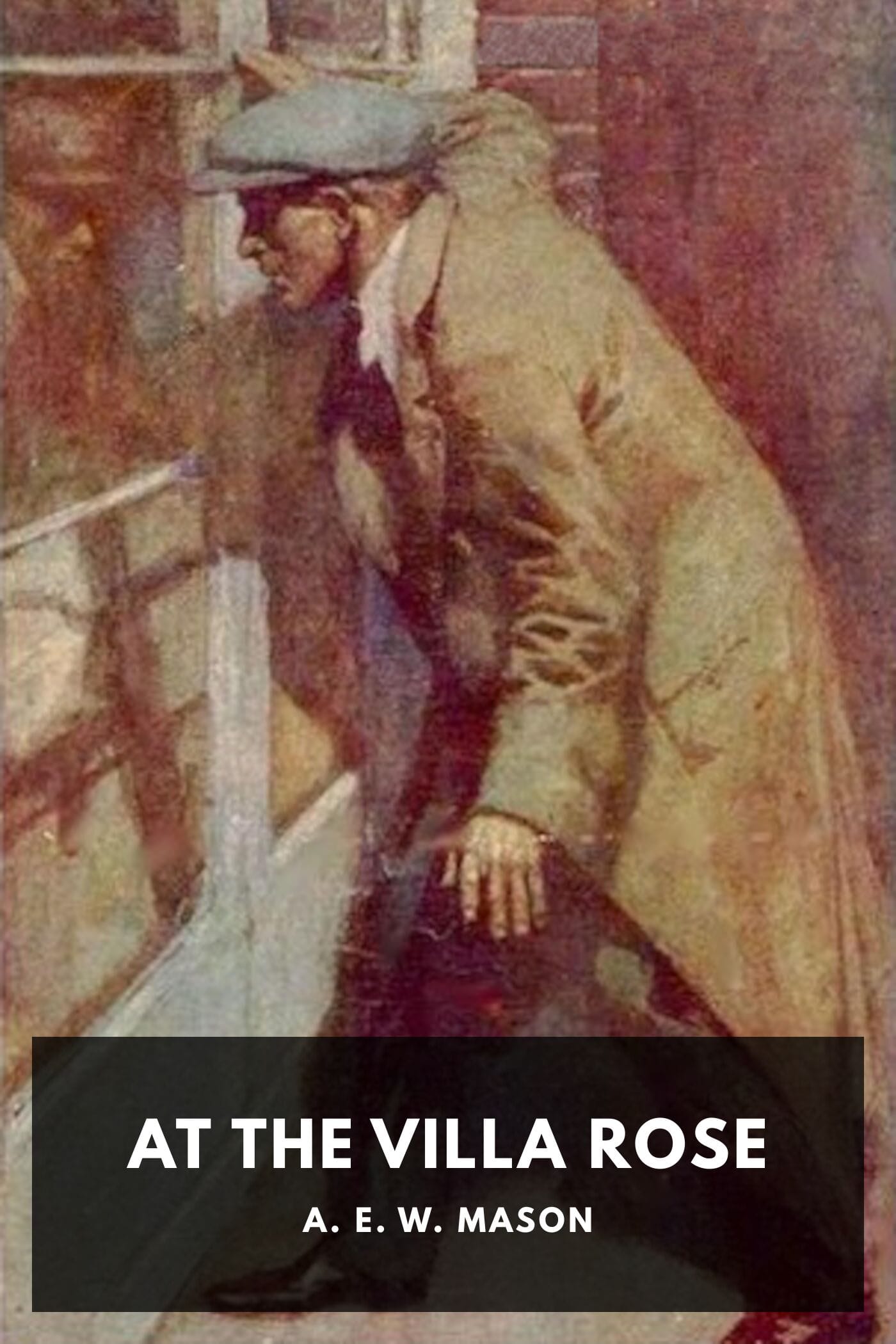
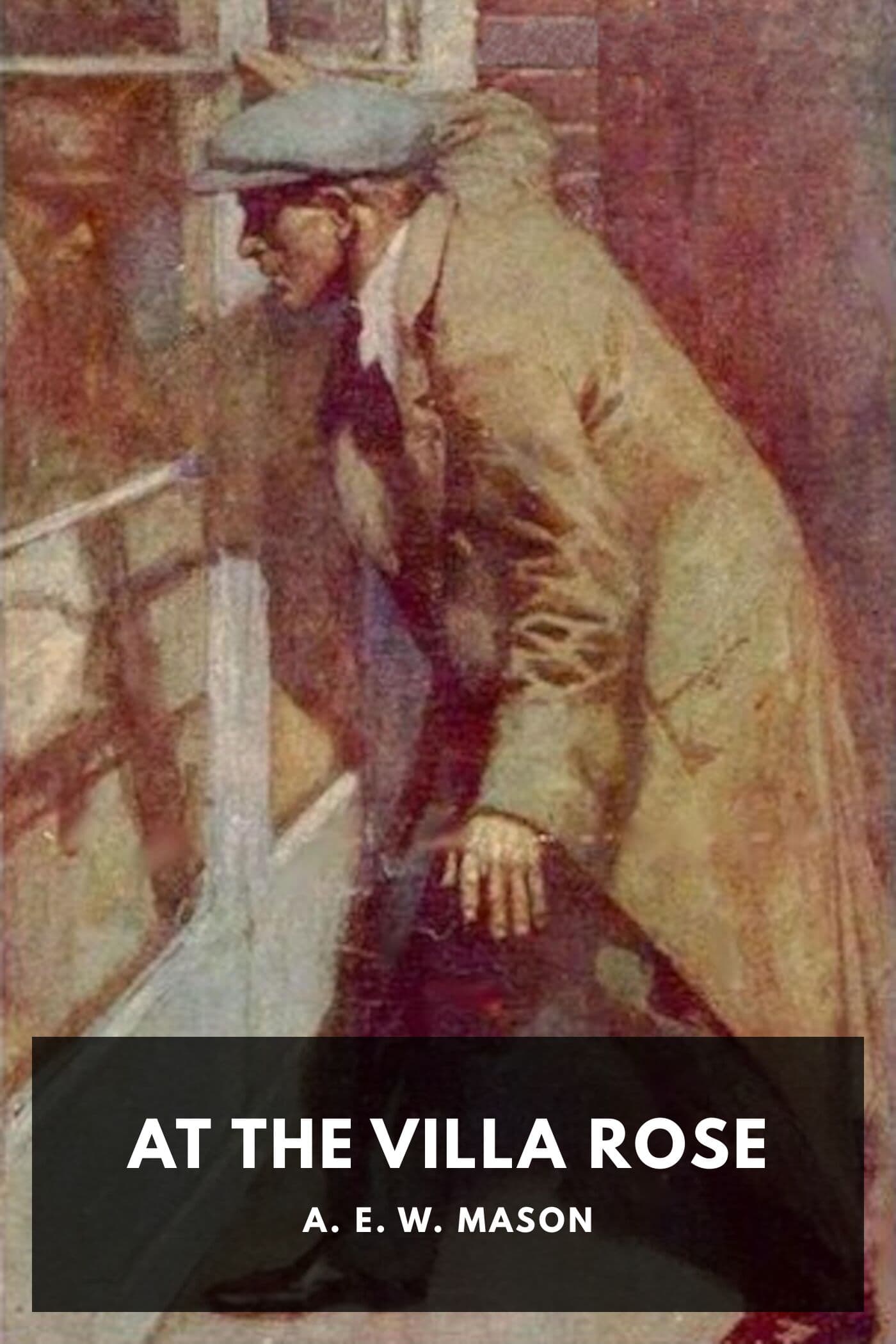
The opulent quiet of Aix-les-Bains is shattered when the wealthy Madame Dauvray is found murdered at her Villa Rose, her valuable jewels vanished. All signs point to her young companion, Celia Harland, who has also mysteriously disappeared. Enter Inspector Hanaud, France's most celebrated detective, whose investigation plunges into a labyrinth of spiritualist séances, a missing chauffeur, and a meticulously crafted web of deception that stretches far beyond the villa's manicured grounds. Mason masterfully constructs a classic whodunit, meticulously laying out clues and red herrings. "At the Villa Rose" isn't just an early detective novel; it's a foundational text that helped define the genre's enduring appeal. Mason, drawing inspiration from real-life crimes, imbues his narrative with a chilling realism, elevating the standard murder mystery to a psychological study of motive and manipulation. Hanaud, with his idiosyncratic brilliance, predates many of fiction's most iconic sleuths, offering readers a fascinating glimpse into the nascent stages of detective fiction and a compelling puzzle that still thrills today.
Editions

X-Ray
A young, beautiful English girl who becomes Mme. Dauvray's companion after being rescued from poverty. She is skilled in spiritualistic performances but becomes increasingly uncomfortable with deceiving her benefactress.
A brilliant but financially desperate inventor who courts Celia to gain access to Mme. Dauvray's wealth. Despite his genius and charm, he becomes complicit in murder.
A brilliant French detective from the Sûreté who solves the case through careful observation and psychological insight. He is both methodical and theatrical in his approach.
A wealthy English gentleman and amateur detective who becomes involved in the case. He serves as narrator and Hanaud's assistant, though often misunderstands the evidence.
About At the Villa Rose
Chapter Summaries
- I
- M. Ricardo observes a nervous young woman at the Villa des Fleurs casino, later seeing her with Harry Wethermill. The woman, Celia, is introduced as Mme. Dauvray's companion.
- II
- Wethermill brings news of Mme. Dauvray's murder to Ricardo, seeking help from detective Hanaud. The crime appears to implicate Celia, who has disappeared along with the motorcar.
- III
- Sergeant Perrichet recounts discovering the crime, describing his observations of lights and the open gate that led him to find the murder scene.
Key Themes
- Deception and Illusion
- The novel explores multiple layers of deception, from Celia's spiritualistic performances to the elaborate murder plot. Truth becomes elusive as characters manipulate appearances and exploit others' beliefs.
- Class and Social Mobility
- The story examines the precarious position of those who rise above their station, as Celia's elevation from poverty makes her vulnerable to both exploitation and resentment from those she has supposedly surpassed.
- Jealousy and Resentment
- Hélène Vauquier's murderous jealousy drives the plot, showing how professional and personal resentment can fester into deadly hatred when one feels displaced or undervalued.
Characters
- Celia Harland(protagonist)
- A young, beautiful English girl who becomes Mme. Dauvray's companion after being rescued from poverty. She is skilled in spiritualistic performances but becomes increasingly uncomfortable with deceiving her benefactress.
- Harry Wethermill(antagonist)
- A brilliant but financially desperate inventor who courts Celia to gain access to Mme. Dauvray's wealth. Despite his genius and charm, he becomes complicit in murder.
- M. Hanaud(major)
- A brilliant French detective from the Sûreté who solves the case through careful observation and psychological insight. He is both methodical and theatrical in his approach.
- M. Ricardo(major)
- A wealthy English gentleman and amateur detective who becomes involved in the case. He serves as narrator and Hanaud's assistant, though often misunderstands the evidence.
- Hélène Vauquier(antagonist)
- Mme. Dauvray's maid for seven years who masterminds the murder plot out of jealousy and greed. She appears respectable but harbors deep resentment against Celia.
- Mme. Dauvray(major)
- A wealthy, superstitious widow who becomes obsessed with spiritualism. Her kindness to Celia and gullibility make her a target for criminals.
Link to this book
Add a free, dofollow link to Lex on your blog, forum, syllabus, or reading list.

<a href="https://lex-books.com/book/at-the-villa-rose-5589eea0-b9ad-45b1-8ea3-41e7df1741c7"><img src="https://lex-books.com/badges/read-on-lex.svg" alt="Read At the Villa Rose by A. E. W. Mason free on Lex" width="160" height="40"></a>[](https://lex-books.com/book/at-the-villa-rose-5589eea0-b9ad-45b1-8ea3-41e7df1741c7)[url=https://lex-books.com/book/at-the-villa-rose-5589eea0-b9ad-45b1-8ea3-41e7df1741c7][img]https://lex-books.com/badges/read-on-lex.svg[/img][/url]Read At the Villa Rose by A. E. W. Mason free on Lex: https://lex-books.com/book/at-the-villa-rose-5589eea0-b9ad-45b1-8ea3-41e7df1741c7Cite this book
Reading this edition for a paper or guide? Copy a citation.
Mason, A. E. W.. At the Villa Rose. Lex, lex-books.com/book/at-the-villa-rose-5589eea0-b9ad-45b1-8ea3-41e7df1741c7.Mason, A. E. W. (n.d.). At the Villa Rose. Lex. https://lex-books.com/book/at-the-villa-rose-5589eea0-b9ad-45b1-8ea3-41e7df1741c7Mason, A. E. W.. At the Villa Rose. Lex. https://lex-books.com/book/at-the-villa-rose-5589eea0-b9ad-45b1-8ea3-41e7df1741c7.