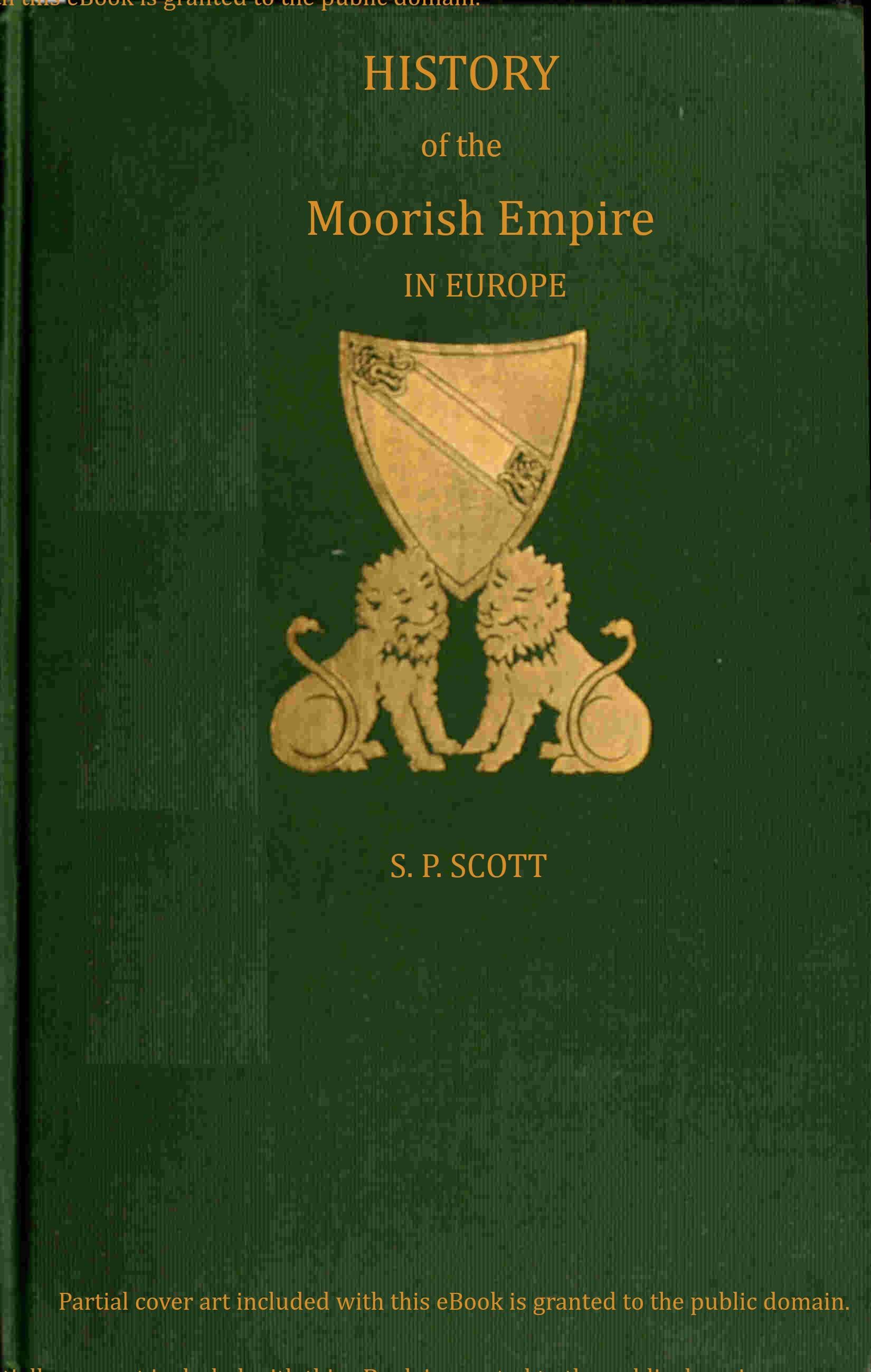
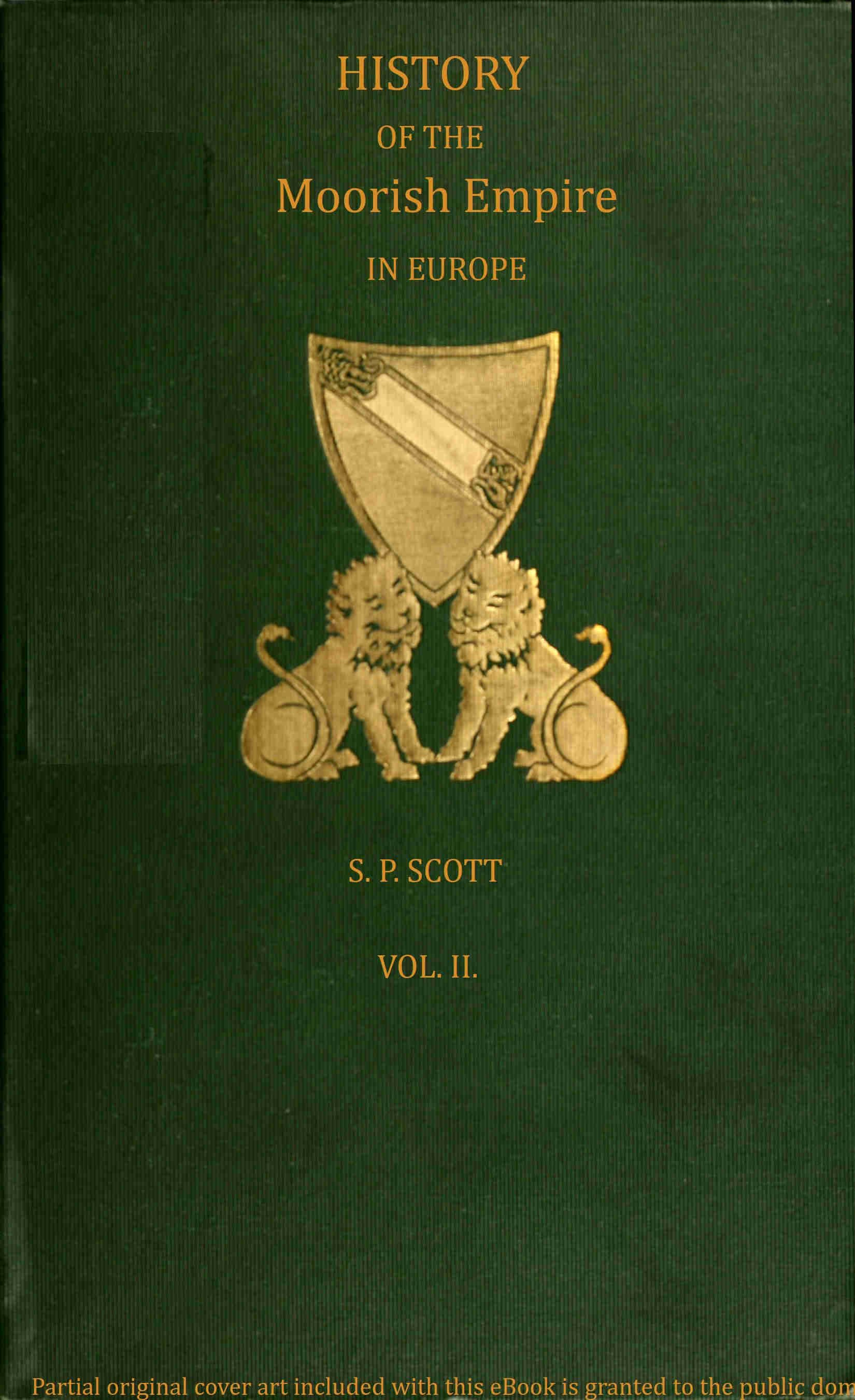
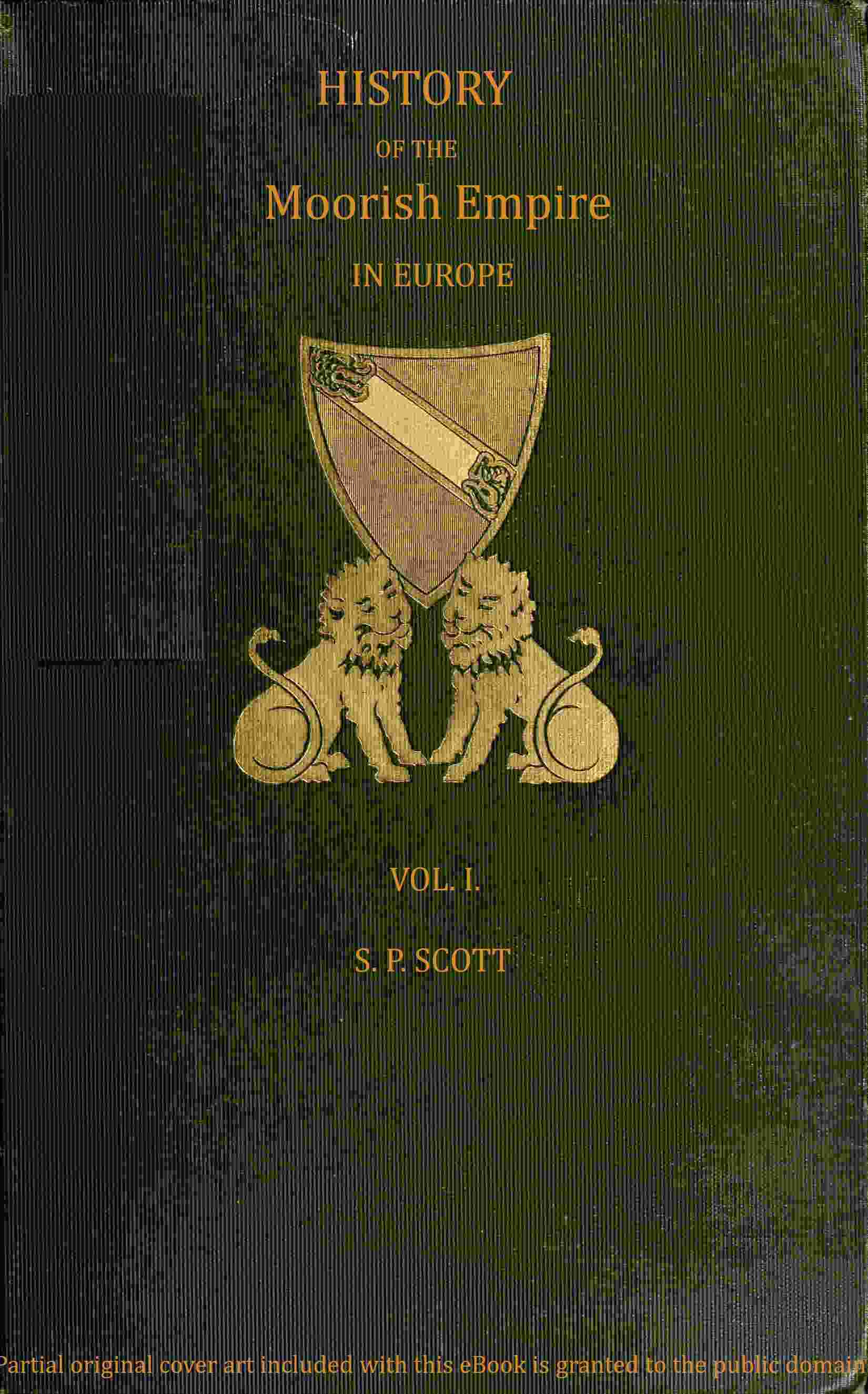
History of the Moorish Empire in Europe, Vol. 1 (of 3)
1904
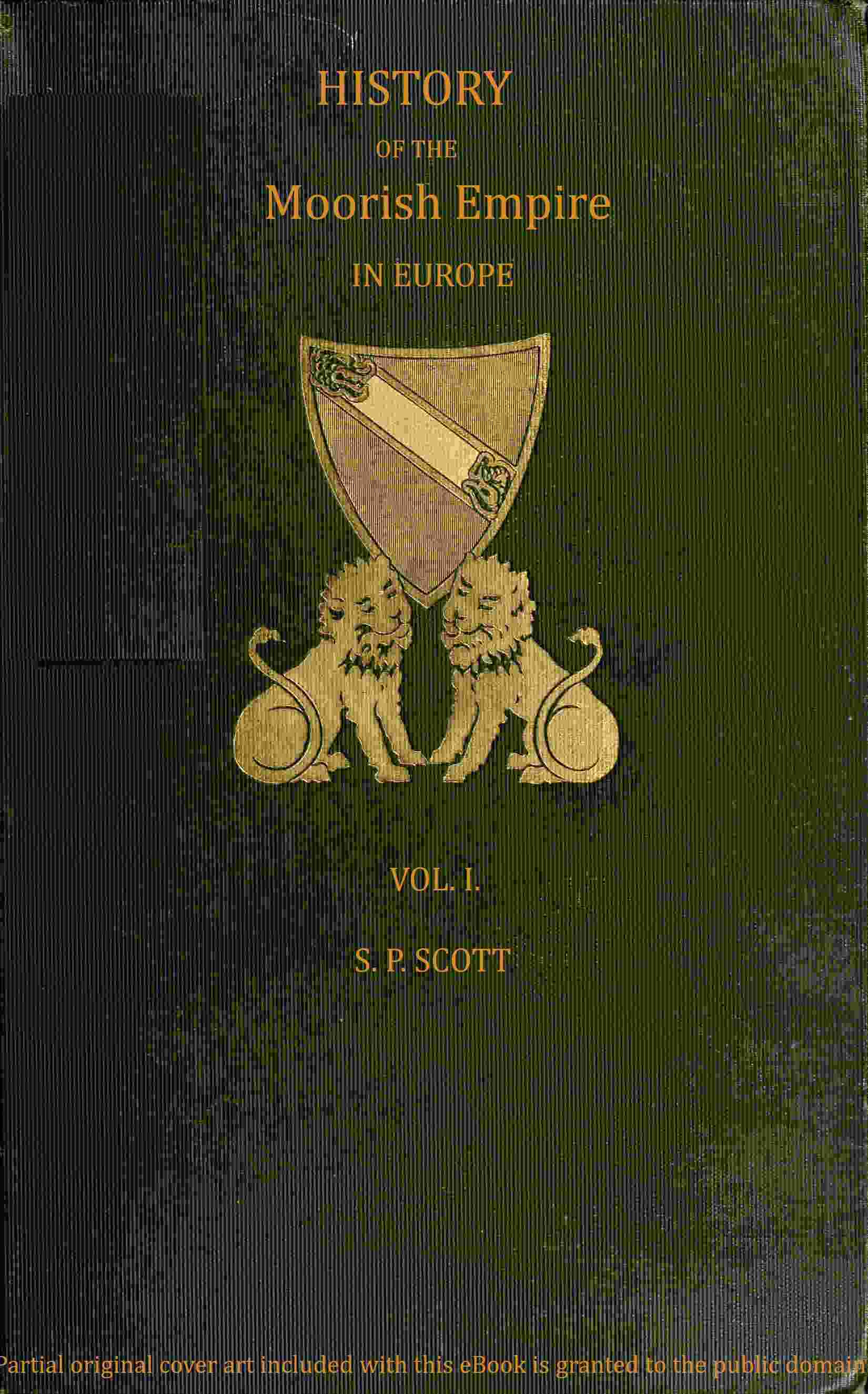
History of the Moorish Empire in Europe, Vol. 1 (of 3)
1904
This 1904 work stands as one of the earliest comprehensive English-language studies of a civilization often erased from European history. S.P. Scott traces the arc of Moorish achievement across the medieval period, revealing how scholars and scientists from Cordoba and Toledo carried the flame of knowledge while much of Christian Europe languished in relative darkness. The first volume establishes the foundations: the harsh geography of the Arabian Peninsula, the warrior culture of the Bedouin tribes, and the explosive emergence of Islamic civilization that would eventually sweep across North Africa and into Spain. Scott examines with particular care the transmission of scientific knowledge, classical philosophy preserved and expanded, and the sophisticated court culture of Umayyad Spain. This is not mere antiquarian scholarship but a passionate argument for recognizing how deeply European civilization owes to Moorish contributions in medicine, astronomy, mathematics, and literature. For readers willing to confront the uncomfortable truth that medieval Europe was as much shaped by Islamic civilization as by its own internal developments, this volume offers an indispensable foundation.
Editions
X-Ray
The author and historian who spent over twenty years researching and writing this comprehensive history of the Moorish Empire. He demonstrates deep scholarly dedication and aims to present an impartial account of Arab civilization's achievements.
The Prophet of Islam, born in 570 CE in Mecca. Presented as a complex figure who transformed from a contemplative merchant into the founder of a world religion that would reshape civilization.
The nomadic tribes of pre-Islamic Arabia, characterized as fierce, independent warriors with strong tribal loyalties. They lived by raiding and had a rich oral poetry tradition despite being largely illiterate.
Mohammed's first wife, a wealthy widow who employed him and later became the first convert to Islam. She provided crucial support during the early years of persecution.
About History of the Moorish Empire in Europe, Vol. 1 (of 3)
Chapter Summaries
- Preface
- Scott explains his twenty-year research project and methodology, acknowledging key sources while criticizing unreliable historians like Conde. He addresses potential bias regarding Spanish politics and expresses admiration for Spanish people despite criticizing their historical inheritance.
- 1
- Describes pre-Islamic Arabian society, geography, and culture. Scott portrays the Bedouins as fierce, independent nomads with rich poetic traditions but brutal customs including infanticide and tribal warfare. He emphasizes their remarkable adaptability and hidden potential for civilization.
- 2
- Chronicles Mohammed's life from birth to death, presenting him as a sincere reformer rather than an impostor. Scott describes the corrupt state of 6th-century Christianity and argues that Islam provided necessary religious and social reforms, establishing a more rational and tolerant faith.
Key Themes
- Civilization and Progress
- Scott argues that Arab civilization, despite its humble desert origins, became the driving force behind medieval scientific and cultural advancement. The work emphasizes how Islamic society promoted learning, tolerance, and practical knowledge.
- Religious Reform and Transformation
- The book explores how Islam reformed the brutal customs of pre-Islamic Arabia, abolishing infanticide, human sacrifice, and excessive tribal warfare while establishing a more ethical social order.
- The Decline of Byzantine Christianity
- Scott contrasts the corruption and ignorance that had overtaken 6th-century Christianity with the fresh spiritual and intellectual vigor brought by Islam.
Characters
- S. P. Scott(protagonist)
- The author and historian who spent over twenty years researching and writing this comprehensive history of the Moorish Empire. He demonstrates deep scholarly dedication and aims to present an impartial account of Arab civilization's achievements.
- Mohammed(major)
- The Prophet of Islam, born in 570 CE in Mecca. Presented as a complex figure who transformed from a contemplative merchant into the founder of a world religion that would reshape civilization.
- The Ancient Arabs/Bedouins(major)
- The nomadic tribes of pre-Islamic Arabia, characterized as fierce, independent warriors with strong tribal loyalties. They lived by raiding and had a rich oral poetry tradition despite being largely illiterate.
- Khadijah(major)
- Mohammed's first wife, a wealthy widow who employed him and later became the first convert to Islam. She provided crucial support during the early years of persecution.
- The Jews of Arabia(major)
- An influential community in pre-Islamic Arabia, particularly in Yemen and Medina. They controlled much of the trade and had significant religious and cultural impact on Arab society.
- R. Dozy(minor)
- Professor at the University of Leyden whose scholarly works on Islamic history served as Scott's principal source. Praised for learning, accuracy, and critical acumen.
Link to this book
Add a free, dofollow link to Lex on your blog, forum, syllabus, or reading list.

<a href="https://lex-books.com/book/history-of-the-moorish-empire-in-europe-vol-1-of-3-fc5d26ba-c871-41f1-913c-303e5b5d2d6e"><img src="https://lex-books.com/badges/read-on-lex.svg" alt="Read History of the Moorish Empire in Europe, Vol. 1 (of 3) by S. P. Scott free on Lex" width="160" height="40"></a>[](https://lex-books.com/book/history-of-the-moorish-empire-in-europe-vol-1-of-3-fc5d26ba-c871-41f1-913c-303e5b5d2d6e)[url=https://lex-books.com/book/history-of-the-moorish-empire-in-europe-vol-1-of-3-fc5d26ba-c871-41f1-913c-303e5b5d2d6e][img]https://lex-books.com/badges/read-on-lex.svg[/img][/url]Read History of the Moorish Empire in Europe, Vol. 1 (of 3) by S. P. Scott free on Lex: https://lex-books.com/book/history-of-the-moorish-empire-in-europe-vol-1-of-3-fc5d26ba-c871-41f1-913c-303e5b5d2d6eCite this book
Reading this edition for a paper or guide? Copy a citation.
Scott, S. P.. History of the Moorish Empire in Europe, Vol. 1 (of 3). Lex, lex-books.com/book/history-of-the-moorish-empire-in-europe-vol-1-of-3-fc5d26ba-c871-41f1-913c-303e5b5d2d6e.Scott, S. P. (1904). History of the Moorish Empire in Europe, Vol. 1 (of 3). Lex. https://lex-books.com/book/history-of-the-moorish-empire-in-europe-vol-1-of-3-fc5d26ba-c871-41f1-913c-303e5b5d2d6eScott, S. P.. History of the Moorish Empire in Europe, Vol. 1 (of 3). Lex. https://lex-books.com/book/history-of-the-moorish-empire-in-europe-vol-1-of-3-fc5d26ba-c871-41f1-913c-303e5b5d2d6e.