History of Ancient Civilization
1906
Written in 1906, this represents one of the earliest attempts to synthesize the entire sweep of human civilization from prehistoric origins into a single accessible account. Charles Seignobos, working before radiocarbon dating transformed archaeology, relied on the material record, stone tools, pottery fragments, monumental architecture, to reconstruct the four ages of human development: Rough Stone, Polished Stone, Bronze, and Iron. The result is a remarkable time capsule of Edwardian scholarship, showing both the astonishing intellectual ambition of early historians and the boundaries of what they could know. The book moves from the dim millennia of prehistory through the river-valley civilizations of Egypt and Assyria, pausing to examine how these societies organized religion, governance, and art. Reading this today feels like encountering a Victorian explorer mapping territory that subsequent generations would redraw entirely. It is not a textbook one would use in a modern classroom, but it is invaluable as a document of how educated people once understood humanity's deep past, and as a testament to the relentless curiosity that drove scholars to make sense of the fragments left behind.
Editions
X-Ray
“This long lapse of time may be divided into four periods, called Ages: 1. The Rough Stone Age. 2. The Polished Stone Age. 3. The Bronze Age. 4. The Iron Age. The””
— Charles Seignobos
About History of Ancient Civilization
Chapter Summaries
- 1
- Introduces prehistoric archaeology and the four ages of human development: Rough Stone Age, Polished Stone Age, Bronze Age, and Iron Age. Describes cave paintings, lake villages, and megalithic monuments as evidence of early human civilization.
- 2
- Explains the sources for studying ancient civilizations including books, monuments, inscriptions, and languages. Discusses the division of history into ancient, medieval, and modern periods, and introduces the Aryan and Semitic peoples.
- 3
- Describes Egyptian civilization along the Nile, from the pyramids of Memphis to the temples of Thebes. Covers Egyptian religion, art, mummification, and the absolute power of the Pharaoh over his subjects.
Key Themes
- Evolution of Civilization
- Seignobos traces humanity's progression from prehistoric stone ages through the development of writing, cities, laws, and complex societies. He shows how each civilization built upon previous achievements while developing unique characteristics.
- Religion and Society
- Religious beliefs fundamentally shaped ancient societies, from Egyptian worship of the dead to Greek polytheism to Hebrew monotheism. Religion provided social cohesion, moral codes, and justification for political authority.
- Political Development
- The book examines various forms of government from Egyptian despotism to Athenian democracy to Roman republicanism. Each system reflected the values and needs of its society while facing inherent contradictions and challenges.
Characters
- Charles Seignobos(protagonist)
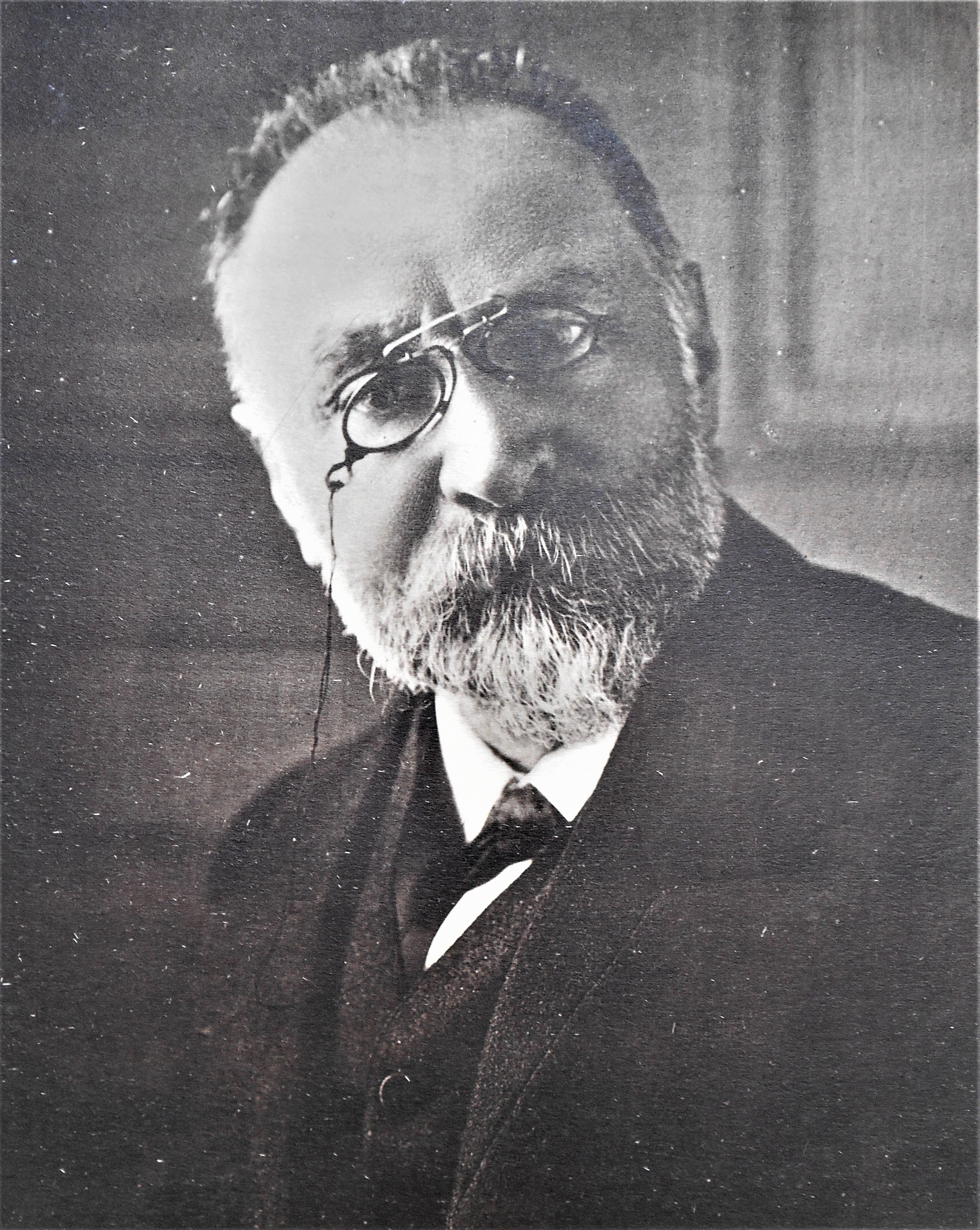
- Doctor of Letters at the University of Paris and author of this comprehensive history of ancient civilization. He presents the development of human societies from prehistoric times through the fall of the Roman Empire.
- Champollion(major)
- French scholar who deciphered Egyptian hieroglyphs in 1821 using the Rosetta Stone. His breakthrough opened Egyptian civilization to modern understanding.
- Cyrus(major)
- Persian king who overthrew the Medes around 550 BC and founded the Persian Empire. He conquered Lydia, Babylon, and all Asia Minor.
- Darius(major)
- Persian king who expanded the empire and organized it into satrapies. He left the famous inscription at Behistun describing his rise to power.
- Buddha(major)
- Prince who renounced worldly life to seek enlightenment and founded Buddhism. He preached compassion, equality, and the path to Nirvana.
- Zoroaster(major)
- Persian religious reformer who established the worship of Ormuzd and the dualistic religion of good versus evil. His teachings influenced later religions.
Link to this book
Add a free, dofollow link to Lex on your blog, forum, syllabus, or reading list.

<a href="https://lex-books.com/book/history-of-ancient-civilization-bf65111a-3fc0-4fcb-a3fc-7e4af766ed4e"><img src="https://lex-books.com/badges/read-on-lex.svg" alt="Read History of Ancient Civilization by Charles Seignobos free on Lex" width="160" height="40"></a>[](https://lex-books.com/book/history-of-ancient-civilization-bf65111a-3fc0-4fcb-a3fc-7e4af766ed4e)[url=https://lex-books.com/book/history-of-ancient-civilization-bf65111a-3fc0-4fcb-a3fc-7e4af766ed4e][img]https://lex-books.com/badges/read-on-lex.svg[/img][/url]Read History of Ancient Civilization by Charles Seignobos free on Lex: https://lex-books.com/book/history-of-ancient-civilization-bf65111a-3fc0-4fcb-a3fc-7e4af766ed4eCite this book
Reading this edition for a paper or guide? Copy a citation.
Seignobos, Charles. History of Ancient Civilization. Lex, lex-books.com/book/history-of-ancient-civilization-bf65111a-3fc0-4fcb-a3fc-7e4af766ed4e.Seignobos, C. (1906). History of Ancient Civilization. Lex. https://lex-books.com/book/history-of-ancient-civilization-bf65111a-3fc0-4fcb-a3fc-7e4af766ed4eSeignobos, Charles. History of Ancient Civilization. Lex. https://lex-books.com/book/history-of-ancient-civilization-bf65111a-3fc0-4fcb-a3fc-7e4af766ed4e.