Heimskringla; Or, the Chronicle of the Kings of Norway
1889
Heimskringla; Or, the Chronicle of the Kings of Norway
1889
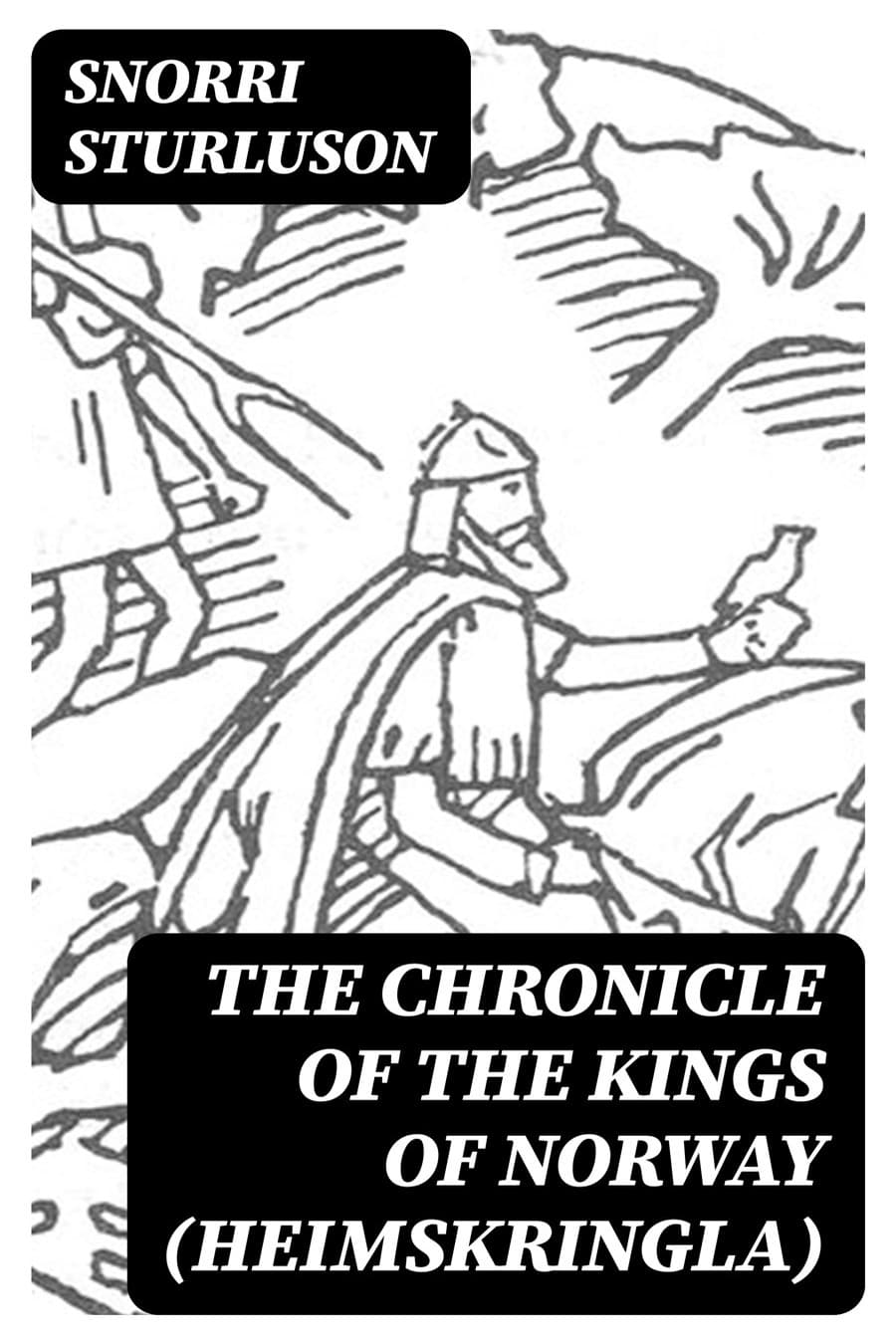
Heimskringla is not history as we know it. It is something far more alive: a swirl of blood, prophecy, and cunning that spans centuries of Viking Age Norway. Snorri Sturluson, writing in 13th-century Iceland, gathered the scattered songs and oral traditions of his ancestors and forged them into a narrative of extraordinary power. The result chronicles sixteen kings descending from Odin himself, from the legendary Ynglings to the saintly Olav Haraldson, whose martyrdom would reshape Nordic Christianity. These are not dry chronicles but vivid sagas filled with betrayal and battle, divine favor and foolish pride. Each king who rises and falls carries the weight of destiny, and Snorri renders their lives with the warmth and objectivity of a poet who knows that history is written by survivors. For readers who want to understand the Norse worldview, this is the essential text. It endures because it was never meant to be a museum piece. It was meant to be sung.
Editions
X-Ray
First king to unite Norway under one rule. Known for his vow not to cut his hair until he conquered all of Norway. Father of many sons who later became kings.
Harald's father, king of several districts in Norway. Known for his just rule and the prophetic dreams surrounding his lineage. Died when Harald was ten years old.
Harald's son, fostered by King Athelstan of England. Became king after Eirik Blood-axe, known for his just rule and attempts to introduce Christianity. Died in battle against Gunhild's sons.
Harald's son, chosen as his successor. Known for his violent nature and conflicts with his brothers. Ruled briefly before being driven out by Hakon.
About Heimskringla; Or, the Chronicle of the Kings of Norway
Chapter Summaries
- Preface
- Snorri explains his sources and methodology for writing the history of Norwegian kings. He discusses the reliability of skaldic poetry and the accounts of learned men like Are Frode.
- 1
- Chronicles the life and reign of Halfdan the Black, Harald Fairhair's father. Includes his battles, marriages, prophetic dreams, and death by drowning through ice.
- 2
- The story of Harald's unification of Norway, beginning with his vow to Gyda not to cut his hair until he ruled all Norway. Details his many battles and eventual success.
Key Themes
- Divine Right and Kingship
- The sagas explore the concept of legitimate rule, often validated through divine signs, dreams, and miraculous events. Kings are portrayed as chosen by fate or God to rule.
- Christianity vs. Paganism
- A central tension throughout the work is the gradual conversion of Norway from Norse paganism to Christianity, with various kings either promoting or resisting this change.
- Honor and Reputation
- The importance of maintaining one's honor and reputation drives many of the conflicts and decisions made by the characters, often leading to violence and warfare.
Characters
- Harald Harfager (Harald Fairhair)(protagonist)
- First king to unite Norway under one rule. Known for his vow not to cut his hair until he conquered all of Norway. Father of many sons who later became kings.
- Halfdan the Black(major)
- Harald's father, king of several districts in Norway. Known for his just rule and the prophetic dreams surrounding his lineage. Died when Harald was ten years old.
- Hakon the Good(protagonist)
- Harald's son, fostered by King Athelstan of England. Became king after Eirik Blood-axe, known for his just rule and attempts to introduce Christianity. Died in battle against Gunhild's sons.
- Eirik Blood-axe(antagonist)
- Harald's son, chosen as his successor. Known for his violent nature and conflicts with his brothers. Ruled briefly before being driven out by Hakon.
- Gunhild(antagonist)
- Wife of Eirik Blood-axe, known as the King-mother. A powerful and scheming woman who influenced her sons' attempts to regain the Norwegian throne.
- Earl Hakon(major)
- Powerful earl who ruled Norway after defeating Gunhild's sons. Known for his military prowess and restoration of pagan worship. Eventually killed by his own slave.
Link to this book
Add a free, dofollow link to Lex on your blog, forum, syllabus, or reading list.

<a href="https://lex-books.com/book/heimskringla-or-the-chronicle-of-the-kings-of-norway-8a3a56b2-ad7f-4bbe-bec4-fe4a7457ae55"><img src="https://lex-books.com/badges/read-on-lex.svg" alt="Read Heimskringla; Or, the Chronicle of the Kings of Norway by Snorri Sturluson free on Lex" width="160" height="40"></a>[](https://lex-books.com/book/heimskringla-or-the-chronicle-of-the-kings-of-norway-8a3a56b2-ad7f-4bbe-bec4-fe4a7457ae55)[url=https://lex-books.com/book/heimskringla-or-the-chronicle-of-the-kings-of-norway-8a3a56b2-ad7f-4bbe-bec4-fe4a7457ae55][img]https://lex-books.com/badges/read-on-lex.svg[/img][/url]Read Heimskringla; Or, the Chronicle of the Kings of Norway by Snorri Sturluson free on Lex: https://lex-books.com/book/heimskringla-or-the-chronicle-of-the-kings-of-norway-8a3a56b2-ad7f-4bbe-bec4-fe4a7457ae55Cite this book
Reading this edition for a paper or guide? Copy a citation.
Sturluson, Snorri. Heimskringla; Or, the Chronicle of the Kings of Norway. Lex, lex-books.com/book/heimskringla-or-the-chronicle-of-the-kings-of-norway-8a3a56b2-ad7f-4bbe-bec4-fe4a7457ae55.Sturluson, S. (1889). Heimskringla; Or, the Chronicle of the Kings of Norway. Lex. https://lex-books.com/book/heimskringla-or-the-chronicle-of-the-kings-of-norway-8a3a56b2-ad7f-4bbe-bec4-fe4a7457ae55Sturluson, Snorri. Heimskringla; Or, the Chronicle of the Kings of Norway. Lex. https://lex-books.com/book/heimskringla-or-the-chronicle-of-the-kings-of-norway-8a3a56b2-ad7f-4bbe-bec4-fe4a7457ae55.