Heimatlos: Geschichten Für Kinder Und Auch Für Solche, Welche Die: Kinder Lieb Haben, 1. Band
1889
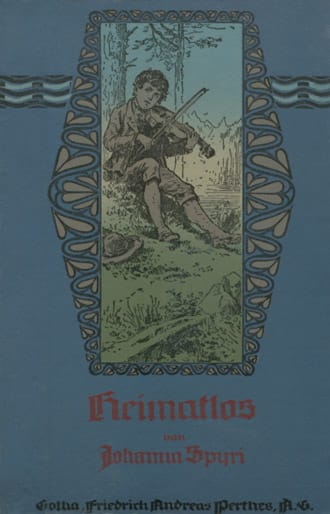
Heimatlos: Geschichten Für Kinder Und Auch Für Solche, Welche Die: Kinder Lieb Haben, 1. Band
1889
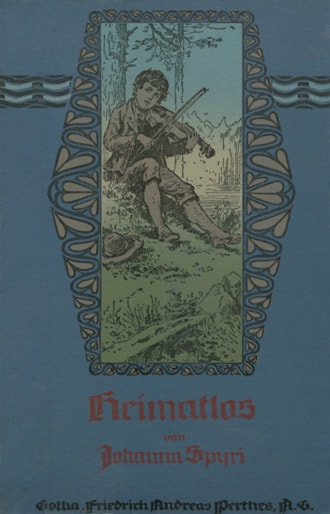
Heimatlos: Geschichten Für Kinder Und Auch Für Solche, Welche Die: Kinder Lieb Haben, 1. Band is a children's novel by Johanna Spyri, first published in 1889. The story follows a young boy named Rico, who lives in a Swiss Alpine village with his father. As Rico faces the challenges of childhood and the loss of his father, the narrative delves into themes of belonging, friendship, and identity through his adventures with a girl named Stineli. The book is notable for its rich depiction of mountain life and its exploration of emotional connections in a child's world.
Editions
X-Ray
“Mais il faut bien dire qu'il y a quelque chose de plus important encore que le temps qu'on emploie au travail, c'est l'application qu'on y apporte; ce n'est pas l'heure que nous passons sur notre leçon qui met cette leçon dans notre mémoire, c'est la volonté d'apprendre.””
— Johanna Spyri
“Mais il y a des moments où le cœur voit mieux et plus loin que les yeux les plus perçants””
— Johanna Spyri
“Ah! Cât de sărac este graiul buzelor față de cel al ochilor. Cât de reci și goale sunt cuvintele în comparație co ochii!””
— Johanna Spyri
“Vậy ra tôi chỉ yêu thương và được yêu thương để rồi phải xa lìa một cách phũ phàng, những người tôi cứ muốn sống suốt đời bên cạnh. Không có cách gì để có thể đoàn tụ họ lại được sao?””
— Johanna Spyri
“On obtient peu de chose par la brutalité, tandis qu'on obtient beaucoup, pour ne pas dire tout, par la douceur.””
— Johanna Spyri
“Comprends aujourd’hui, mon garçon, que la vie est trop souvent une bataille dans laquelle on ne fait pas ce qu’on veut.””
— Johanna Spyri
“Gia đình không phải là việc cháu mang dòng máu của ai. Mà là việc cháu yêu thương, chia sẻ, cảm thông và quan tâm đến ai.””
— Johanna Spyri
“la moquerie peut avoir du bon pour réformer un caractère vicieux, mais lorsqu’elle s’adresse à l’ignorance, elle est une marque de sottise chez celui qui l’emploie.””
— Johanna Spyri
“Sự chế giễu đôi khi cũng tốt là để cải hóa một thói xấu. Nhưng nếu dùng để đùa cợt một người dốt thì lại là vô ý thức.””
— Johanna Spyri
Link to this book
Add a free, dofollow link to Lex on your blog, forum, syllabus, or reading list.

<a href="https://lex-books.com/book/heimatlos-geschichten-f-r-kinder-und-auch-f-r-solche-welche-die-kinder-lieb-habe-e709d52b-9146-4194-8887-f64fb6ec44b8"><img src="https://lex-books.com/badges/read-on-lex.svg" alt="Read Heimatlos: Geschichten Für Kinder Und Auch Für Solche, Welche Die: Kinder Lieb Haben, 1. Band by Johanna Spyri free on Lex" width="160" height="40"></a>[](https://lex-books.com/book/heimatlos-geschichten-f-r-kinder-und-auch-f-r-solche-welche-die-kinder-lieb-habe-e709d52b-9146-4194-8887-f64fb6ec44b8)[url=https://lex-books.com/book/heimatlos-geschichten-f-r-kinder-und-auch-f-r-solche-welche-die-kinder-lieb-habe-e709d52b-9146-4194-8887-f64fb6ec44b8][img]https://lex-books.com/badges/read-on-lex.svg[/img][/url]Read Heimatlos: Geschichten Für Kinder Und Auch Für Solche, Welche Die: Kinder Lieb Haben, 1. Band by Johanna Spyri free on Lex: https://lex-books.com/book/heimatlos-geschichten-f-r-kinder-und-auch-f-r-solche-welche-die-kinder-lieb-habe-e709d52b-9146-4194-8887-f64fb6ec44b8Cite this book
Reading this edition for a paper or guide? Copy a citation.
Spyri, Johanna. Heimatlos: Geschichten Für Kinder Und Auch Für Solche, Welche Die: Kinder Lieb Haben, 1. Band. Lex, lex-books.com/book/heimatlos-geschichten-f-r-kinder-und-auch-f-r-solche-welche-die-kinder-lieb-habe-e709d52b-9146-4194-8887-f64fb6ec44b8.Spyri, J. (1889). Heimatlos: Geschichten Für Kinder Und Auch Für Solche, Welche Die: Kinder Lieb Haben, 1. Band. Lex. https://lex-books.com/book/heimatlos-geschichten-f-r-kinder-und-auch-f-r-solche-welche-die-kinder-lieb-habe-e709d52b-9146-4194-8887-f64fb6ec44b8Spyri, Johanna. Heimatlos: Geschichten Für Kinder Und Auch Für Solche, Welche Die: Kinder Lieb Haben, 1. Band. Lex. https://lex-books.com/book/heimatlos-geschichten-f-r-kinder-und-auch-f-r-solche-welche-die-kinder-lieb-habe-e709d52b-9146-4194-8887-f64fb6ec44b8.