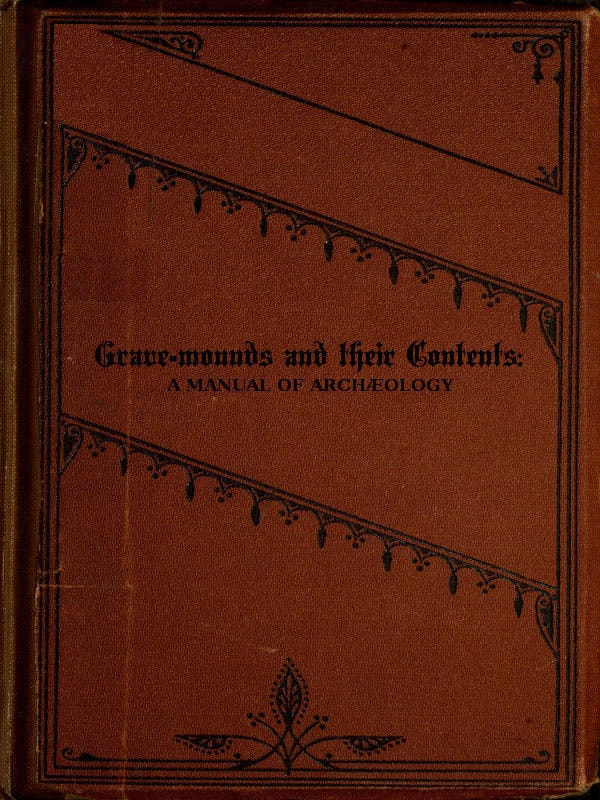
Grave-Mounds and Their Contents: A Manual of Archæology, as Exemplified in the Burials of the Celtic, the Romano-British, and the Anglo-Saxon Periods
1870
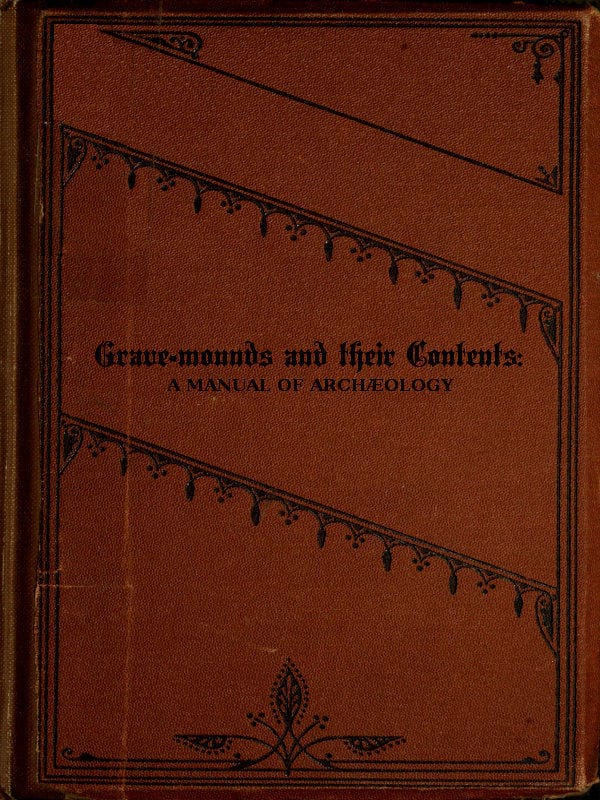
Grave-Mounds and Their Contents: A Manual of Archæology, as Exemplified in the Burials of the Celtic, the Romano-British, and the Anglo-Saxon Periods
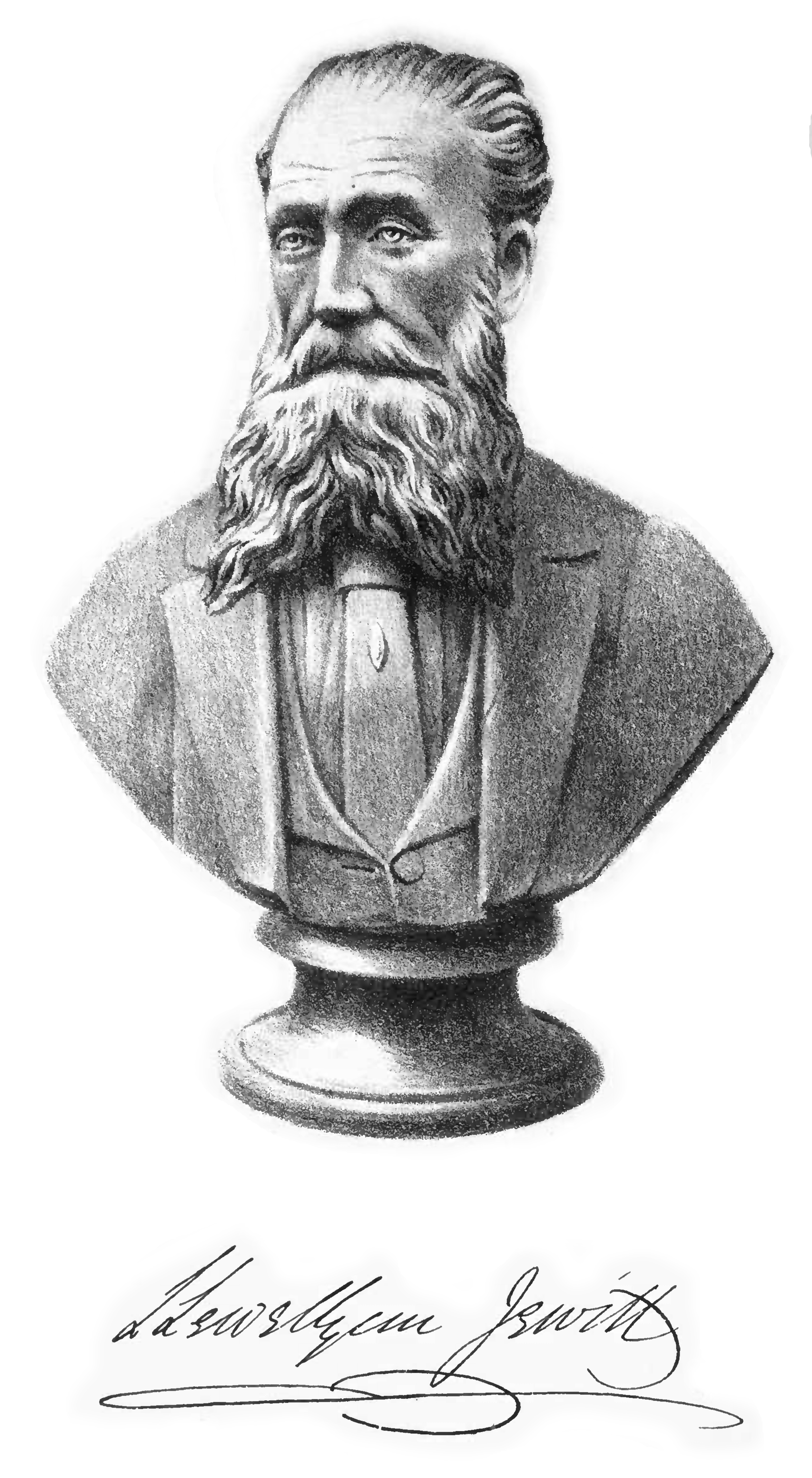
Llewellynn Frederick William Jewitt
1870
Grave-Mounds and Their Contents, written by Llewellynn Frederick William Jewitt and first published in 1870, serves as a comprehensive manual of archaeology focused on burial practices in ancient Britain. The book examines grave mounds from the Celtic, Romano-British, and Anglo-Saxon periods, detailing their structures and the artifacts discovered within. Jewitt highlights the significance of these mounds, known as barrows or tumps, in understanding the cultural and social practices of early societies in Great Britain, including their burial customs of inhumation and cremation.
Editions
X-Ray
The author and archaeologist who serves as the primary voice throughout the manual. He is a Fellow of the Society of Antiquaries (F.S.A.) and presents himself as an experienced excavator of grave-mounds across Britain.
A prominent archaeologist and excavator frequently cited throughout the work. Jewitt refers to him as his 'much lamented friend' and credits him with numerous important discoveries, particularly the Benty Grange helmet.
The dedicatee of the work, described as 'one of the most ardent and zealous of archaeologists' and a generous donor of antiquities to public museums. He represents the scholarly community Jewitt addresses.
A scholarly authority on Romano-British customs and pottery whom Jewitt frequently quotes and acknowledges. He provides detailed accounts of Roman burial practices and ceramic analysis.
About Grave-Mounds and Their Contents: A Manual of Archæology, as Exemplified in the Burials of the Celtic, the Romano-British, and the Anglo-Saxon Periods
Chapter Summaries
- Introduction
- Jewitt explains his purpose in creating the first comprehensive manual of British archaeology focused on grave-mounds. He emphasizes the work's practical value and extensive illustrations, while acknowledging potential defects.
- I
- Introduces grave-mounds as crucial sources for understanding early British history. Discusses their distribution across Britain, various names (barrows, lows, houes), and establishes the three-period classification system.
- II
- Describes Celtic barrow construction and burial practices, including both inhumation and cremation. Features detailed account of Hitter Hill excavation and various body positions including contracted, sitting, and kneeling burials.
Key Themes
- Archaeological Methodology
- Jewitt emphasizes systematic excavation, careful documentation, and comparative analysis as essential tools for understanding the past. He advocates for moving beyond speculation to evidence-based conclusions.
- Cultural Continuity and Change
- The work traces how burial practices, pottery styles, and material culture evolved from Celtic through Romano-British to Anglo-Saxon periods, showing both continuity and dramatic changes in British society.
- Material Culture as Historical Evidence
- Jewitt demonstrates how everyday objects—pottery, weapons, jewelry—serve as primary sources for understanding ancient peoples' lives, beliefs, and social structures when written records are absent.
Characters
- Llewellynn Frederick William Jewitt(protagonist)
- The author and archaeologist who serves as the primary voice throughout the manual. He is a Fellow of the Society of Antiquaries (F.S.A.) and presents himself as an experienced excavator of grave-mounds across Britain.
- Thomas Bateman(major)
- A prominent archaeologist and excavator frequently cited throughout the work. Jewitt refers to him as his 'much lamented friend' and credits him with numerous important discoveries, particularly the Benty Grange helmet.
- Joseph Mayer(major)
- The dedicatee of the work, described as 'one of the most ardent and zealous of archaeologists' and a generous donor of antiquities to public museums. He represents the scholarly community Jewitt addresses.
- Thomas Wright(major)
- A scholarly authority on Romano-British customs and pottery whom Jewitt frequently quotes and acknowledges. He provides detailed accounts of Roman burial practices and ceramic analysis.
- Mr. Lucas(minor)
- Jewitt's excavation partner during the detailed exploration of Hitter Hill Barrow in 1862.
Link to this book
Add a free, dofollow link to Lex on your blog, forum, syllabus, or reading list.

<a href="https://lex-books.com/book/grave-mounds-and-their-contents-a-manual-of-arch-ology-as-exemplified-in-the-bur-81d78869-6e6f-4682-ac43-6f3901109df3"><img src="https://lex-books.com/badges/read-on-lex.svg" alt="Read Grave-Mounds and Their Contents: A Manual of Archæology, as Exemplified in the Burials of the Celtic, the Romano-British, and the Anglo-Saxon Periods by Llewellynn Frederick William Jewitt free on Lex" width="160" height="40"></a>[](https://lex-books.com/book/grave-mounds-and-their-contents-a-manual-of-arch-ology-as-exemplified-in-the-bur-81d78869-6e6f-4682-ac43-6f3901109df3)[url=https://lex-books.com/book/grave-mounds-and-their-contents-a-manual-of-arch-ology-as-exemplified-in-the-bur-81d78869-6e6f-4682-ac43-6f3901109df3][img]https://lex-books.com/badges/read-on-lex.svg[/img][/url]Read Grave-Mounds and Their Contents: A Manual of Archæology, as Exemplified in the Burials of the Celtic, the Romano-British, and the Anglo-Saxon Periods by Llewellynn Frederick William Jewitt free on Lex: https://lex-books.com/book/grave-mounds-and-their-contents-a-manual-of-arch-ology-as-exemplified-in-the-bur-81d78869-6e6f-4682-ac43-6f3901109df3Cite this book
Reading this edition for a paper or guide? Copy a citation.
Jewitt, Llewellynn Frederick William. Grave-Mounds and Their Contents: A Manual of Archæology, as Exemplified in the Burials of the Celtic, the Romano-British, and the Anglo-Saxon Periods. Lex, lex-books.com/book/grave-mounds-and-their-contents-a-manual-of-arch-ology-as-exemplified-in-the-bur-81d78869-6e6f-4682-ac43-6f3901109df3.Jewitt, L. F. W. (1870). Grave-Mounds and Their Contents: A Manual of Archæology, as Exemplified in the Burials of the Celtic, the Romano-British, and the Anglo-Saxon Periods. Lex. https://lex-books.com/book/grave-mounds-and-their-contents-a-manual-of-arch-ology-as-exemplified-in-the-bur-81d78869-6e6f-4682-ac43-6f3901109df3Jewitt, Llewellynn Frederick William. Grave-Mounds and Their Contents: A Manual of Archæology, as Exemplified in the Burials of the Celtic, the Romano-British, and the Anglo-Saxon Periods. Lex. https://lex-books.com/book/grave-mounds-and-their-contents-a-manual-of-arch-ology-as-exemplified-in-the-bur-81d78869-6e6f-4682-ac43-6f3901109df3.