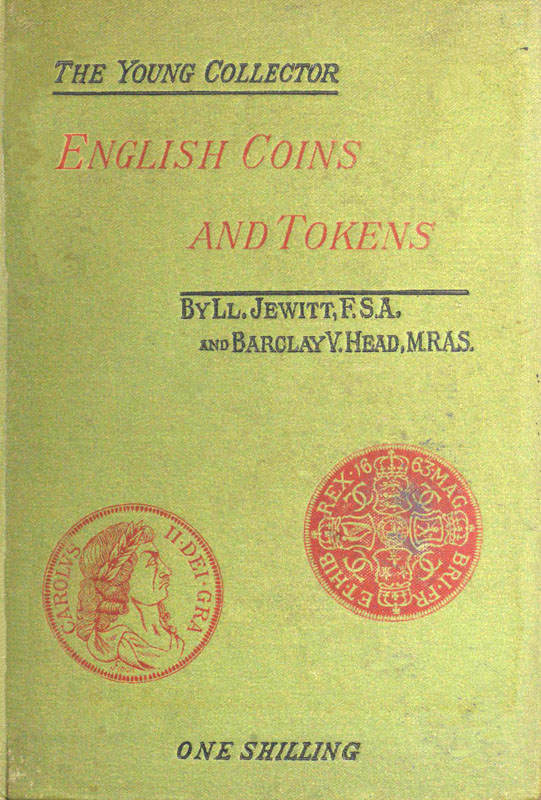
English Coins and Tokens, with a Chapter on Greek and Roman Coins
1888
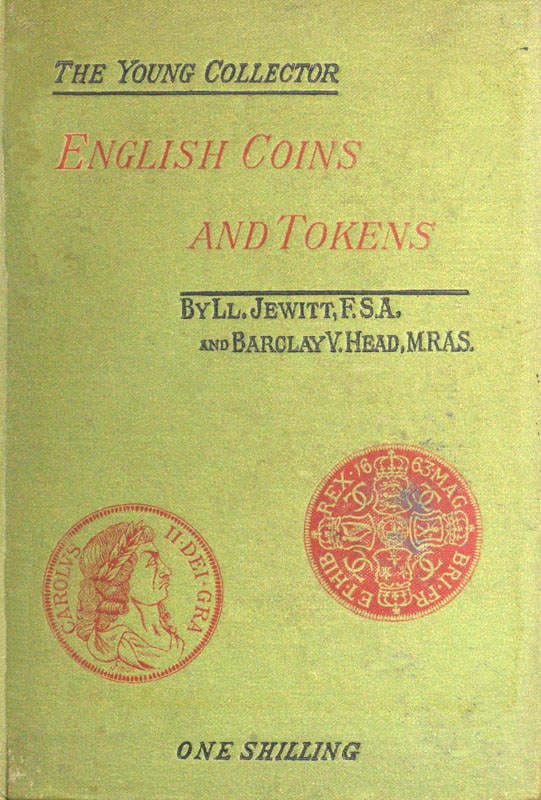
English Coins and Tokens, with a Chapter on Greek and Roman Coins
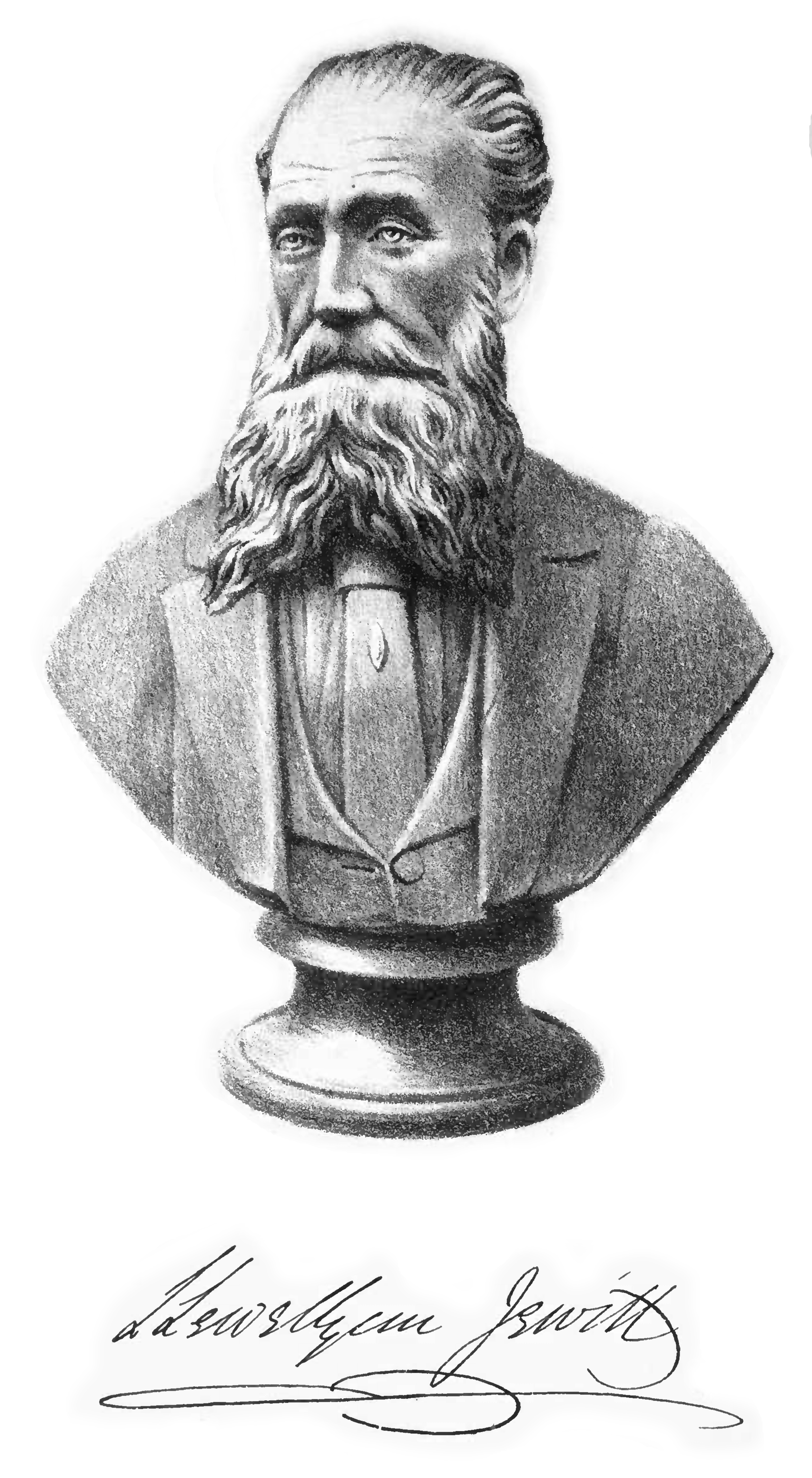
Llewellynn Frederick William Jewitt
1888
A historical account written in the late 19th century. This work delves into the numismatic history of coins and tokens in England, exploring their origins, types, and significance, as well as providing insight into ancient Greek and Roman monetary practices. Overall, the book seeks to illuminate the development of coinage in Britain and its connections to broader historical contexts. The opening of the text discusses the introduction of coinage to ancient Britain, positing that it likely originated from interactions with the Gauls, particularly in the Kentish region. Jewitt elaborates on the difficulties in pinpointing the exact time and nature of coin production among the ancient Britons, suggesting that it may have commenced around 150 to 200 years before Christ. The discussion includes various types of early coins, their designs and adaptations over time, and the role of uninscribed versus inscribed coins, emphasizing the impact of Greek and later Roman influences on British currency. The foundation for numismatic study is established through a synthesis of archaeological evidence and historical conjecture.
Editions
X-Ray
The primary author and numismatist who wrote the main sections on English coins and tokens. A Fellow of the Society of Antiquaries (F.S.A.) and author of numerous works on British antiquities and ceramics.
Assistant Keeper of Coins at the British Museum and expert on ancient numismatics. Contributed the comprehensive chapter on Greek and Roman coins.
About English Coins and Tokens, with a Chapter on Greek and Roman Coins
Chapter Summaries
- 1
- Examines the earliest British coinage from Celtic tribes, featuring rulers like Bodvoc, Commius, and Cunobelinus. Describes the artistic styles and inscriptions of pre-Roman British coins.
- 2
- Covers the monetary systems of Anglo-Saxon kingdoms from the 7th-11th centuries, including coins of Kentish, Mercian, and other regional rulers.
- 3
- Comprehensive survey of English royal coinage from William the Conqueror through Queen Victoria, detailing denominations, designs, and historical contexts.
Key Themes
- Historical Documentation
- Coins serve as imperishable records of political, social, and economic history, providing evidence that written records cannot always supply.
- Cultural Identity
- The evolution of coin designs reflects changing national identity, from Celtic tribal symbols to Anglo-Saxon Christianity to modern British imperial imagery.
- Economic Development
- The progression from barter systems to sophisticated monetary systems mirrors Britain's economic and commercial development over centuries.
Characters
- Llewellynn Frederick William Jewitt(protagonist)
- The primary author and numismatist who wrote the main sections on English coins and tokens. A Fellow of the Society of Antiquaries (F.S.A.) and author of numerous works on British antiquities and ceramics.
- Barclay V. Head(major)
- Assistant Keeper of Coins at the British Museum and expert on ancient numismatics. Contributed the comprehensive chapter on Greek and Roman coins.
Link to this book
Add a free, dofollow link to Lex on your blog, forum, syllabus, or reading list.

<a href="https://lex-books.com/book/english-coins-and-tokens-with-a-chapter-on-greek-and-roman-coins-84081658-62b2-46d7-9375-c44d9a642163"><img src="https://lex-books.com/badges/read-on-lex.svg" alt="Read English Coins and Tokens, with a Chapter on Greek and Roman Coins by Llewellynn Frederick William Jewitt free on Lex" width="160" height="40"></a>[](https://lex-books.com/book/english-coins-and-tokens-with-a-chapter-on-greek-and-roman-coins-84081658-62b2-46d7-9375-c44d9a642163)[url=https://lex-books.com/book/english-coins-and-tokens-with-a-chapter-on-greek-and-roman-coins-84081658-62b2-46d7-9375-c44d9a642163][img]https://lex-books.com/badges/read-on-lex.svg[/img][/url]Read English Coins and Tokens, with a Chapter on Greek and Roman Coins by Llewellynn Frederick William Jewitt free on Lex: https://lex-books.com/book/english-coins-and-tokens-with-a-chapter-on-greek-and-roman-coins-84081658-62b2-46d7-9375-c44d9a642163Cite this book
Reading this edition for a paper or guide? Copy a citation.
Jewitt, Llewellynn Frederick William. English Coins and Tokens, with a Chapter on Greek and Roman Coins. Lex, lex-books.com/book/english-coins-and-tokens-with-a-chapter-on-greek-and-roman-coins-84081658-62b2-46d7-9375-c44d9a642163.Jewitt, L. F. W. (1888). English Coins and Tokens, with a Chapter on Greek and Roman Coins. Lex. https://lex-books.com/book/english-coins-and-tokens-with-a-chapter-on-greek-and-roman-coins-84081658-62b2-46d7-9375-c44d9a642163Jewitt, Llewellynn Frederick William. English Coins and Tokens, with a Chapter on Greek and Roman Coins. Lex. https://lex-books.com/book/english-coins-and-tokens-with-a-chapter-on-greek-and-roman-coins-84081658-62b2-46d7-9375-c44d9a642163.