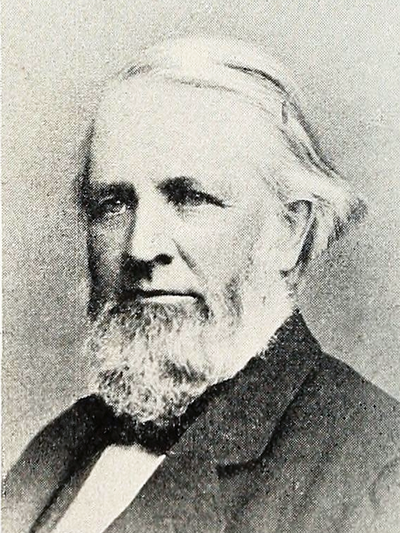
Farm Drainage: The Principles, Processes, and Effects of Draining Land with Stones, Wood, Plows, and Open Ditches, and Especially with Tiles
1859
Farm Drainage: The Principles, Processes, and Effects of Draining Land with Stones, Wood, Plows, and Open Ditches, and Especially with Tiles
1859
In 1859, American farmland was drowning. Swampy soil and improper drainage kept vast tracts of land barely productive, and most farmers understood drainage only as digging ditches. Henry F. French set out to change that. This book represents a turning point in American agricultural history: a rigorous, accessible manual that translated cutting-edge drainage science into action for the working farmer. French covers every major technique of his era: stone drains, wooden flumes, specialized plows, open ditches, and the revolutionary tile systems just arriving from England. But more than a technical manual, it wrestles with a deeper problem: how to adapt European methods to American soil, climate, and the realities of frontier farming. French acknowledges the skepticism surrounding drainage, addresses common misconceptions, and makes the case that drained land is not merely more productive but fundamentally transformed. For modern readers, this is a window into the science and optimism of mid-19th century agriculture, when farmers were learning to master their land rather than merely survive on it. It remains valuable for anyone interested in the history of American farming, the evolution of agricultural engineering, or the forgotten foundations of today's productive farmland.
Editions
Link to this book
Add a free, dofollow link to Lex on your blog, forum, syllabus, or reading list.

<a href="https://lex-books.com/book/farm-drainage-the-principles-processes-and-effects-of-draining-land-with-stones--7c3c7a4a-bcbc-45d2-9216-428a7e0242d1"><img src="https://lex-books.com/badges/read-on-lex.svg" alt="Read Farm Drainage: The Principles, Processes, and Effects of Draining Land with Stones, Wood, Plows, and Open Ditches, and Especially with Tiles by Henry F. French free on Lex" width="160" height="40"></a>[](https://lex-books.com/book/farm-drainage-the-principles-processes-and-effects-of-draining-land-with-stones--7c3c7a4a-bcbc-45d2-9216-428a7e0242d1)[url=https://lex-books.com/book/farm-drainage-the-principles-processes-and-effects-of-draining-land-with-stones--7c3c7a4a-bcbc-45d2-9216-428a7e0242d1][img]https://lex-books.com/badges/read-on-lex.svg[/img][/url]Read Farm Drainage: The Principles, Processes, and Effects of Draining Land with Stones, Wood, Plows, and Open Ditches, and Especially with Tiles by Henry F. French free on Lex: https://lex-books.com/book/farm-drainage-the-principles-processes-and-effects-of-draining-land-with-stones--7c3c7a4a-bcbc-45d2-9216-428a7e0242d1Cite this book
Reading this edition for a paper or guide? Copy a citation.
French, Henry F.. Farm Drainage: The Principles, Processes, and Effects of Draining Land with Stones, Wood, Plows, and Open Ditches, and Especially with Tiles. Lex, lex-books.com/book/farm-drainage-the-principles-processes-and-effects-of-draining-land-with-stones--7c3c7a4a-bcbc-45d2-9216-428a7e0242d1.French, H. F. (1859). Farm Drainage: The Principles, Processes, and Effects of Draining Land with Stones, Wood, Plows, and Open Ditches, and Especially with Tiles. Lex. https://lex-books.com/book/farm-drainage-the-principles-processes-and-effects-of-draining-land-with-stones--7c3c7a4a-bcbc-45d2-9216-428a7e0242d1French, Henry F.. Farm Drainage: The Principles, Processes, and Effects of Draining Land with Stones, Wood, Plows, and Open Ditches, and Especially with Tiles. Lex. https://lex-books.com/book/farm-drainage-the-principles-processes-and-effects-of-draining-land-with-stones--7c3c7a4a-bcbc-45d2-9216-428a7e0242d1.