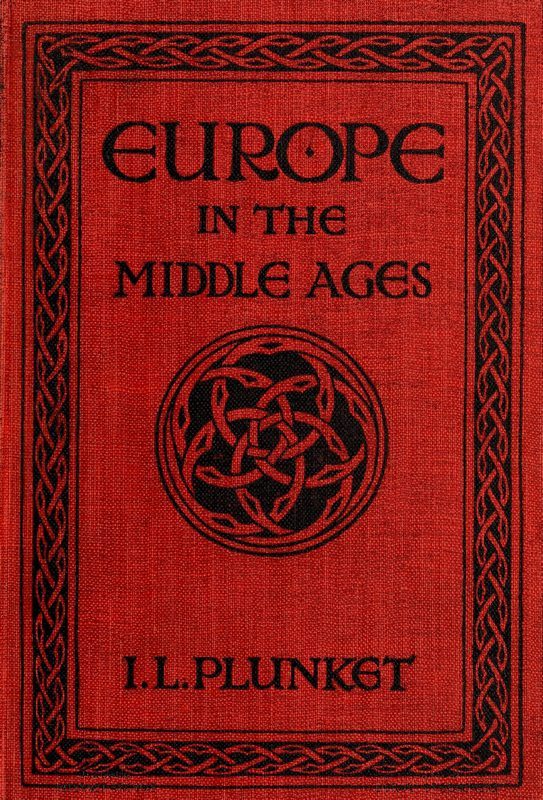
Europe in the Middle Ages
1922
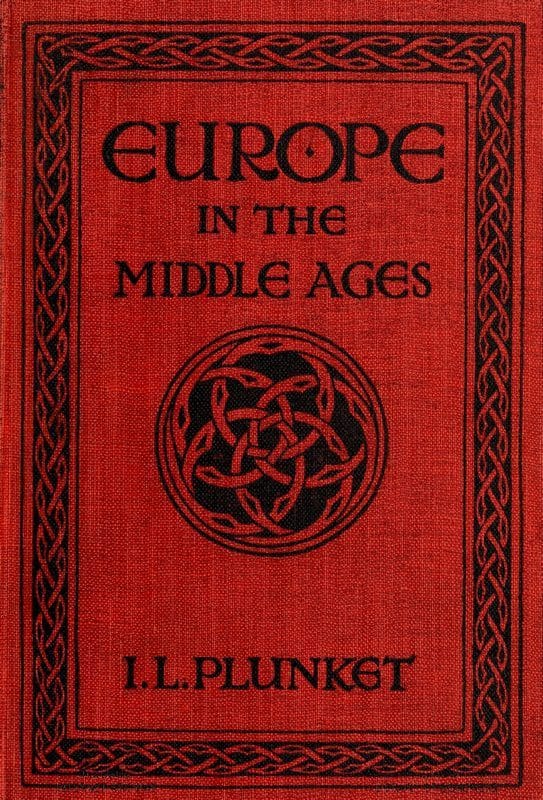
The book opens at the height of Roman power - an empire stretching from Britain to Mesopotamia, where citizenship meant protection and belonging to something eternal. Plunket traces the arc from Rome's golden age through its vulnerability, showing how the luxury of civilization collided with barbarian pressure at the gates. This sets the stage for the medieval transformation that followed. What emerges is a narrative of survival and reinvention: how Europe transitioned from the ruins of one great empire into something entirely new. The focus falls on principal figures - kings, saints, conquerors - whose ambitions and beliefs shaped the era. Plunket renders the period not as static darkness but as a dynamic age of faith, conflict, and reorganization. Written in 1922, this overview remains valuable for its narrative sweep and accessible approach to a complex millennium. It suits readers who want the broad strokes before diving deeper, or those who appreciate history written with a certain period elegance.
Editions
X-Ray
First Roman Emperor who established the imperial system and brought peace to the Empire. He transformed Rome from brick to marble and created the foundations of imperial government.
Roman Emperor who legalized Christianity and founded Constantinople. He was the first Christian emperor and moved the capital eastward.
King of the Franks and first Holy Roman Emperor of the West. He united much of Western Europe and was crowned emperor by the Pope in 800 AD.
Merovingian King of the Franks who converted to Christianity and established Frankish dominance in Gaul. He was known for his military prowess and political cunning.
About Europe in the Middle Ages
Chapter Summaries
- 1
- Describes the Roman Empire at its height, with its vast territories, trade networks, and impressive infrastructure. The chapter emphasizes Roman citizenship as a mark of privilege and the Empire's military and administrative achievements.
- 2
- Examines the causes of Roman decline including corruption, heavy taxation, barbarian pressure, and the rise of Christianity. The chapter details how internal weaknesses made the Empire vulnerable to external threats.
- 3
- Traces the early spread of Christianity from a Jewish sect to a major religion, describing the persecution of Christians and the appeal of Christian teachings to various social classes.
Key Themes
- Church vs. State Authority
- The ongoing conflict between papal and imperial power, exemplified by the Investiture Controversy and various clashes between popes and emperors over who held ultimate authority in Christendom.
- Rise and Fall of Empires
- The decline of Rome, the brief revival under Charlemagne, and the struggles of the Holy Roman Empire demonstrate the cyclical nature of political power and the challenges of maintaining vast territories.
- Religious Transformation
- The spread of Christianity from a persecuted sect to the dominant religion of Europe, alongside the rise of Islam and the resulting conflicts between Christian and Muslim civilizations.
Characters
- Augustus(major)
- First Roman Emperor who established the imperial system and brought peace to the Empire. He transformed Rome from brick to marble and created the foundations of imperial government.
- Constantine the Great(major)
- Roman Emperor who legalized Christianity and founded Constantinople. He was the first Christian emperor and moved the capital eastward.
- Charlemagne(protagonist)
- King of the Franks and first Holy Roman Emperor of the West. He united much of Western Europe and was crowned emperor by the Pope in 800 AD.
- Clovis(major)
- Merovingian King of the Franks who converted to Christianity and established Frankish dominance in Gaul. He was known for his military prowess and political cunning.
- Mahomet(major)
- Prophet and founder of Islam who united the Arabian tribes under one faith. He established the religious and political foundations of the Islamic world.
- Pope Gregory VII (Hildebrand)(major)
- Powerful Pope who fought for Church independence from secular authority. He engaged in the Investiture Controversy with Emperor Henry IV.
Link to this book
Add a free, dofollow link to Lex on your blog, forum, syllabus, or reading list.

<a href="https://lex-books.com/book/europe-in-the-middle-ages-5149936d-5fa3-431e-9cc3-21d80ef9e580"><img src="https://lex-books.com/badges/read-on-lex.svg" alt="Read Europe in the Middle Ages by Ierne L. Plunket free on Lex" width="160" height="40"></a>[](https://lex-books.com/book/europe-in-the-middle-ages-5149936d-5fa3-431e-9cc3-21d80ef9e580)[url=https://lex-books.com/book/europe-in-the-middle-ages-5149936d-5fa3-431e-9cc3-21d80ef9e580][img]https://lex-books.com/badges/read-on-lex.svg[/img][/url]Read Europe in the Middle Ages by Ierne L. Plunket free on Lex: https://lex-books.com/book/europe-in-the-middle-ages-5149936d-5fa3-431e-9cc3-21d80ef9e580Cite this book
Reading this edition for a paper or guide? Copy a citation.
Plunket, Ierne L.. Europe in the Middle Ages. Lex, lex-books.com/book/europe-in-the-middle-ages-5149936d-5fa3-431e-9cc3-21d80ef9e580.Plunket, I. L. (1922). Europe in the Middle Ages. Lex. https://lex-books.com/book/europe-in-the-middle-ages-5149936d-5fa3-431e-9cc3-21d80ef9e580Plunket, Ierne L.. Europe in the Middle Ages. Lex. https://lex-books.com/book/europe-in-the-middle-ages-5149936d-5fa3-431e-9cc3-21d80ef9e580.