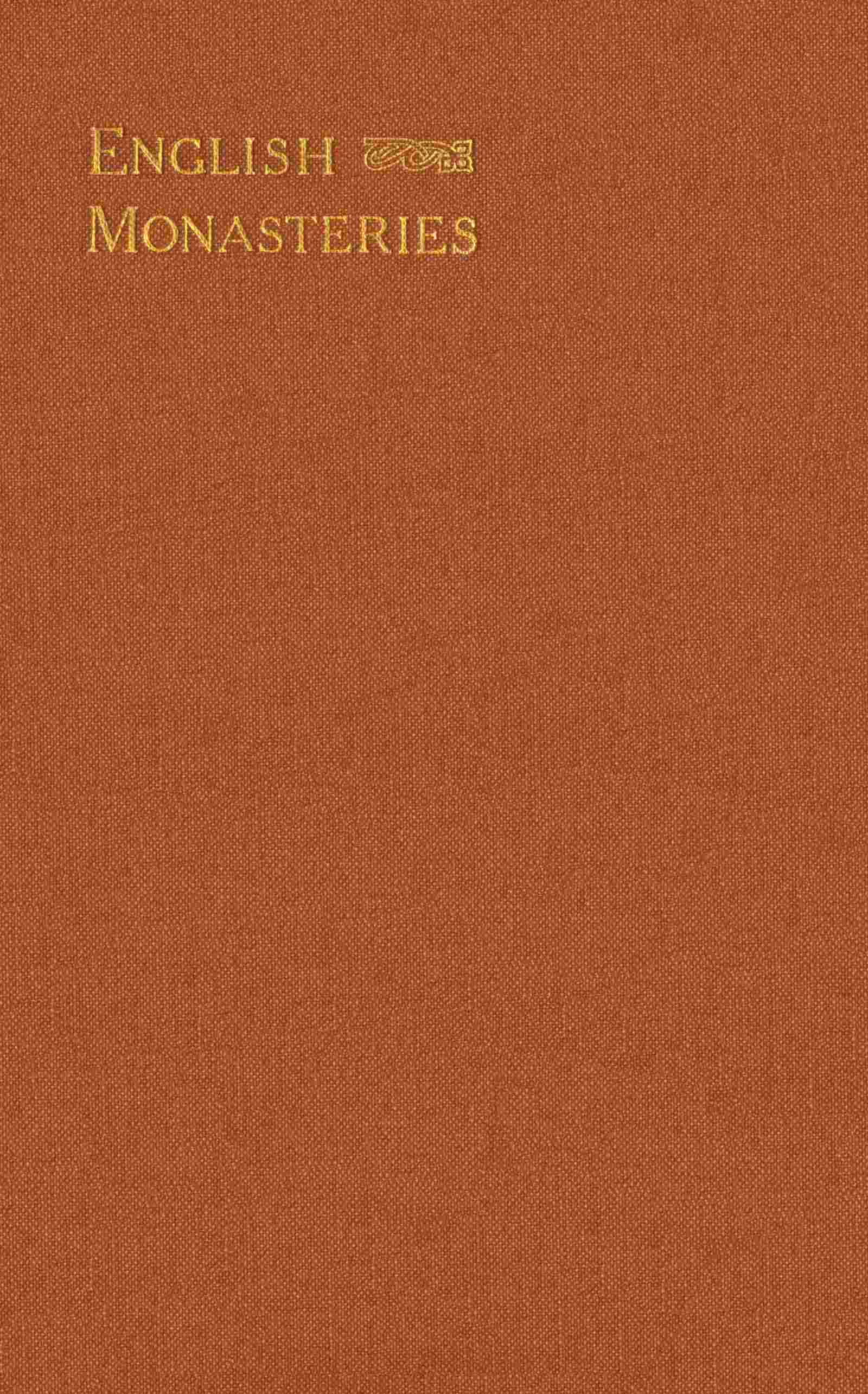
English Monasteries: From Saxon Days to Their Dissolution
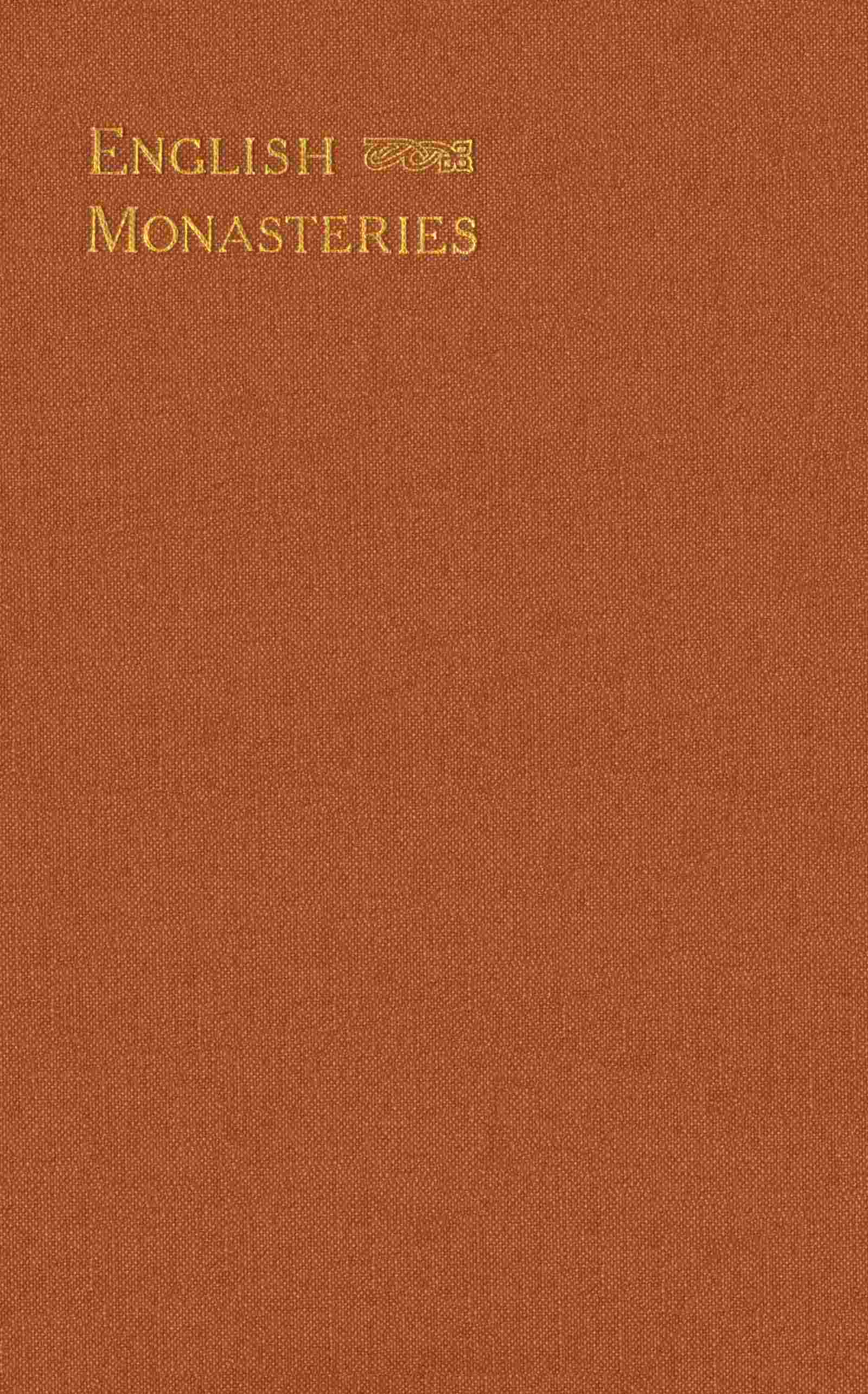
English Monasteries: From Saxon Days to Their Dissolution
Written in the early 20th century by J. Charles Cox, 'English Monasteries: From Saxon Days to Their Dissolution' provides a historical account of monastic life in England from the early medieval period until the dissolution of the monasteries under Henry VIII. The book challenges common misconceptions about monastic motivations, emphasizing the spiritual dedication and rigorous testing faced by those entering monastic life. Through historical records and personal accounts, Cox examines the significant role and impact of monasteries on English society and culture over the centuries.
Editions

X-Ray
The author and narrator, a scholarly historian who presents a comprehensive study of English monasticism. He serves as the authoritative voice guiding readers through centuries of monastic history.
The English king who dissolved the monasteries in the 1530s. Cox portrays him as immoral, covetous, and the destroyer of England's monastic tradition.
Henry VIII's Vicar-General who orchestrated the monastic visitations and suppressions. Cox depicts him as utterly unscrupulous and corrupt.
The founder of the Benedictine Rule, whose principles shaped English monasticism. Cox presents him as the wise architect of monastic discipline and work.
About English Monasteries: From Saxon Days to Their Dissolution
Chapter Summaries
- Introduction
- Cox outlines his scholarly approach and extensive sources, explaining his intention to correct misconceptions about English monastic life. He acknowledges both the achievements and occasional failures of the religious houses.
- 1
- Cox refutes the notion that people entered monasteries for worldly reasons, demonstrating through historical examples that most religious were motivated by genuine spiritual calling. He details the rigorous admission processes and the high social standing of many who chose monastic life.
- 2
- This chapter examines the relationship between monasteries and their tenants, showing that monastic landlords generally provided better conditions, fairer treatment, and more opportunities for advancement than secular lords.
Key Themes
- Spiritual Authenticity vs. Political Corruption
- Cox contrasts the genuine religious devotion of monks and nuns with the corrupt motives of Henry VIII and his agents. The monasteries represented authentic Christian living while their suppressors were driven by greed and political ambition.
- Social Justice and Charity
- The book emphasizes how monasteries served as centers of charity, education, and social welfare. Cox demonstrates that religious houses were the primary providers of relief for the poor and education for all classes.
- Historical Truth vs. Propaganda
- A central theme is Cox's mission to correct centuries of anti-monastic propaganda. He systematically debunks myths about lazy, corrupt monks by presenting documentary evidence of their actual lives and contributions.
Characters
- J. Charles Cox(protagonist)
- The author and narrator, a scholarly historian who presents a comprehensive study of English monasticism. He serves as the authoritative voice guiding readers through centuries of monastic history.
- Henry VIII(antagonist)
- The English king who dissolved the monasteries in the 1530s. Cox portrays him as immoral, covetous, and the destroyer of England's monastic tradition.
- Thomas Cromwell(antagonist)
- Henry VIII's Vicar-General who orchestrated the monastic visitations and suppressions. Cox depicts him as utterly unscrupulous and corrupt.
- St. Benedict(major)
- The founder of the Benedictine Rule, whose principles shaped English monasticism. Cox presents him as the wise architect of monastic discipline and work.
- Visitors Legh and Layton(antagonist)
- Cromwell's corrupt commissioners who conducted fraudulent visitations of monasteries. Cox exposes them as liars, extortionists, and men of vile character.
Link to this book
Add a free, dofollow link to Lex on your blog, forum, syllabus, or reading list.

<a href="https://lex-books.com/book/english-monasteries-from-saxon-days-to-their-dissolution-ddd0ed5d-2f3e-468f-9542-14392b31becd"><img src="https://lex-books.com/badges/read-on-lex.svg" alt="Read English Monasteries: From Saxon Days to Their Dissolution by J. Charles Cox free on Lex" width="160" height="40"></a>[](https://lex-books.com/book/english-monasteries-from-saxon-days-to-their-dissolution-ddd0ed5d-2f3e-468f-9542-14392b31becd)[url=https://lex-books.com/book/english-monasteries-from-saxon-days-to-their-dissolution-ddd0ed5d-2f3e-468f-9542-14392b31becd][img]https://lex-books.com/badges/read-on-lex.svg[/img][/url]Read English Monasteries: From Saxon Days to Their Dissolution by J. Charles Cox free on Lex: https://lex-books.com/book/english-monasteries-from-saxon-days-to-their-dissolution-ddd0ed5d-2f3e-468f-9542-14392b31becdCite this book
Reading this edition for a paper or guide? Copy a citation.
Cox, J. Charles. English Monasteries: From Saxon Days to Their Dissolution. Lex, lex-books.com/book/english-monasteries-from-saxon-days-to-their-dissolution-ddd0ed5d-2f3e-468f-9542-14392b31becd.Cox, J. C. (n.d.). English Monasteries: From Saxon Days to Their Dissolution. Lex. https://lex-books.com/book/english-monasteries-from-saxon-days-to-their-dissolution-ddd0ed5d-2f3e-468f-9542-14392b31becdCox, J. Charles. English Monasteries: From Saxon Days to Their Dissolution. Lex. https://lex-books.com/book/english-monasteries-from-saxon-days-to-their-dissolution-ddd0ed5d-2f3e-468f-9542-14392b31becd.