Eighteenth Century Waifs
1887
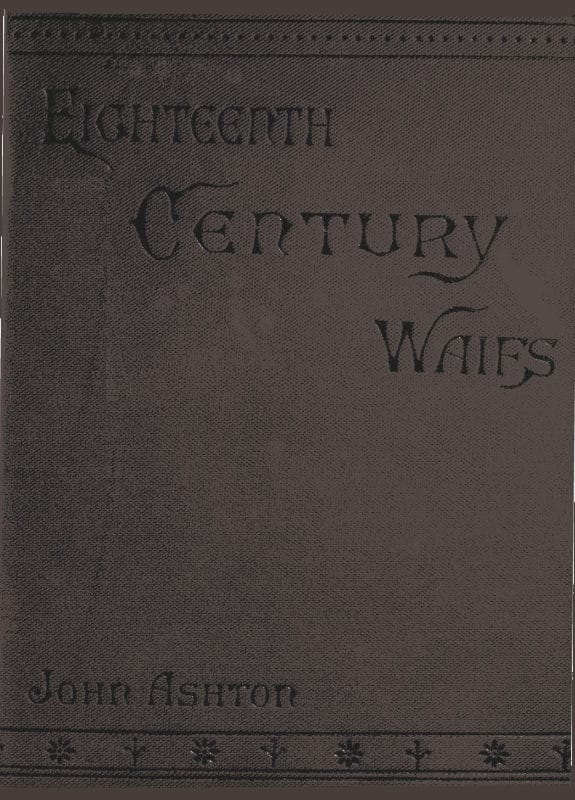
The opening chapter of this Victorian collection reads like a Gothic nightmare: Roderick, a self-proclaimed prophet, seizes spiritual authority over the remote island of St. Kilda, driving its isolated inhabitants toward religious mania and societal collapse. This is not a typical academic exercise. John Ashton, working in the late 19th century, sought out the 18th century's forgotten figures not to polish them for respectable consumption but to understand how ordinary people vanished into history's blind spot. He resurrects vagrants, beggars, and social outcasts through fragments of court records, parish documents, and oral tradition. The essays puncture the polished mythology of the Georgian era to reveal lives marked by poverty, exploitation, and stubborn survival. These are not sentimental tales of noble poverty. They are documents of a brutal machinery and the people who were crushed by it. Ashton's voice carries the earnestness of a Victorian collector who believed these lost souls deserved a witness. The book endures because it refuses to look away from what history preferred to forget. It is for readers who want their social history untidy, specific, and alive.
Editions

Link to this book
Add a free, dofollow link to Lex on your blog, forum, syllabus, or reading list.

<a href="https://lex-books.com/book/eighteenth-century-waifs-4dcf351e-113a-4ae1-9017-c3eb1973a0e0"><img src="https://lex-books.com/badges/read-on-lex.svg" alt="Read Eighteenth Century Waifs by John Ashton free on Lex" width="160" height="40"></a>[](https://lex-books.com/book/eighteenth-century-waifs-4dcf351e-113a-4ae1-9017-c3eb1973a0e0)[url=https://lex-books.com/book/eighteenth-century-waifs-4dcf351e-113a-4ae1-9017-c3eb1973a0e0][img]https://lex-books.com/badges/read-on-lex.svg[/img][/url]Read Eighteenth Century Waifs by John Ashton free on Lex: https://lex-books.com/book/eighteenth-century-waifs-4dcf351e-113a-4ae1-9017-c3eb1973a0e0Cite this book
Reading this edition for a paper or guide? Copy a citation.
Ashton, John. Eighteenth Century Waifs. Lex, lex-books.com/book/eighteenth-century-waifs-4dcf351e-113a-4ae1-9017-c3eb1973a0e0.Ashton, J. (1887). Eighteenth Century Waifs. Lex. https://lex-books.com/book/eighteenth-century-waifs-4dcf351e-113a-4ae1-9017-c3eb1973a0e0Ashton, John. Eighteenth Century Waifs. Lex. https://lex-books.com/book/eighteenth-century-waifs-4dcf351e-113a-4ae1-9017-c3eb1973a0e0.