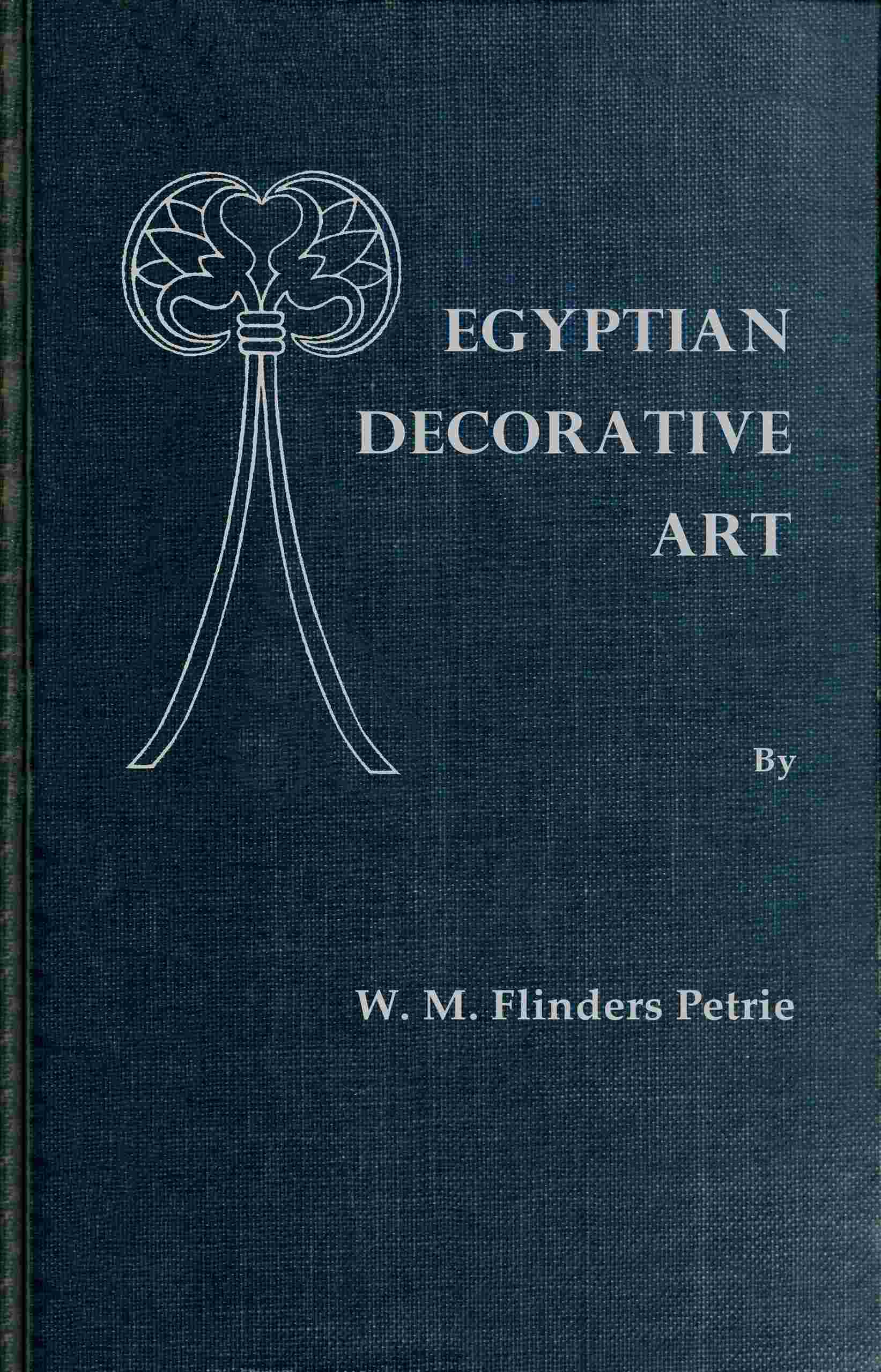
Egyptian Decorative Art: A Course of Lectures Delivered at the Royal Institution
1895
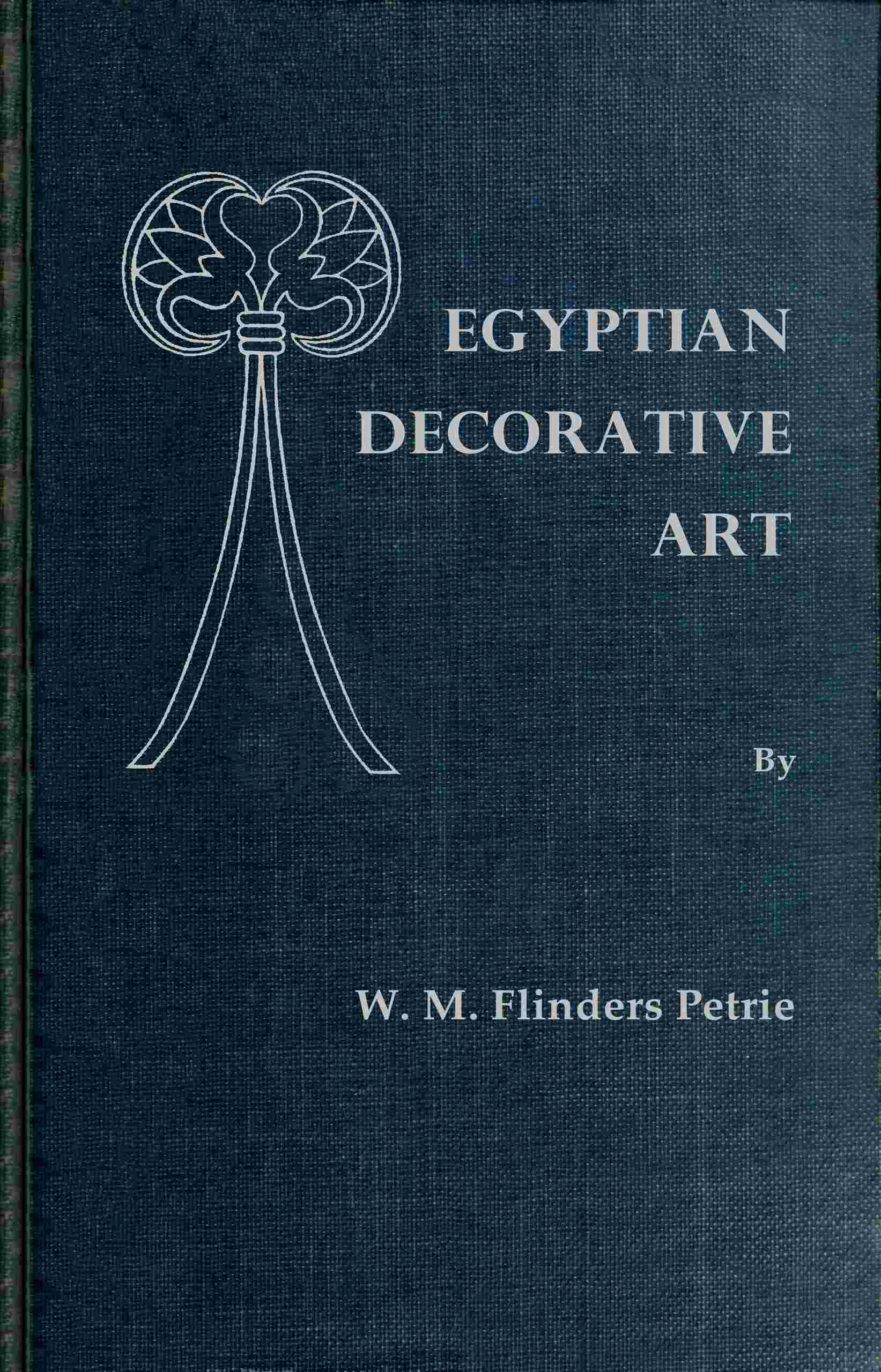
Egyptian Decorative Art: A Course of Lectures Delivered at the Royal Institution
1895
Published in 1895, 'Egyptian Decorative Art' by W. M. Flinders Petrie is a scholarly examination of the principles and evolution of decorative art in ancient Egypt. The book explores various decorative elements, including geometric patterns, hieroglyphs, and symbolic motifs, highlighting their historical context and influence on other cultures. With over 200 illustrations, it serves as a valuable resource for students of fine art and art history, emphasizing the intricate relationship between form and decoration in Egyptian design.
Editions

X-Ray
Edwards Professor of Egyptology at University College, London, and the author/lecturer presenting this scholarly analysis. He serves as the authoritative voice guiding readers through Egyptian decorative art history.
About Egyptian Decorative Art: A Course of Lectures Delivered at the Royal Institution
Chapter Summaries
- 1
- Petrie establishes the scope of Egyptian decorative art and argues for its foundational influence on world ornament. He categorizes decoration into four types: geometrical, natural, structural, and symbolic, while emphasizing the Egyptians' inherent decorative instinct.
- 2
- Detailed analysis of geometric patterns including zigzag lines, spirals, frets, and circles. Petrie traces the evolution of spiral patterns from simple scarab designs to complex architectural decorations, demonstrating their influence on Greek and other cultures.
- 3
- Examination of decorative elements derived from nature, particularly the lotus flower and its various artistic interpretations. Also covers feather patterns, rosettes, papyrus, palm, vine, and animal motifs, showing how natural forms were stylized for decorative use.
Key Themes
- Cultural Continuity and Evolution
- Petrie demonstrates how Egyptian decorative elements evolved over thousands of years while maintaining core characteristics. The persistence of motifs like the lotus and spiral across dynasties shows remarkable cultural continuity.
- Artistic Influence and Transmission
- The work extensively explores how Egyptian decorative patterns spread to other civilizations, particularly Greek and Assyrian cultures. Petrie argues for Egyptian primacy in originating many fundamental decorative elements.
- Symbolism and Meaning
- Egyptian decoration served both aesthetic and symbolic purposes, with elements like the uraeus, winged disc, and hieroglyphic symbols carrying deep religious and political meanings beyond mere ornamentation.
Characters
- W. M. Flinders Petrie(protagonist)
- Edwards Professor of Egyptology at University College, London, and the author/lecturer presenting this scholarly analysis. He serves as the authoritative voice guiding readers through Egyptian decorative art history.
Link to this book
Add a free, dofollow link to Lex on your blog, forum, syllabus, or reading list.

<a href="https://lex-books.com/book/egyptian-decorative-art-a-course-of-lectures-delivered-at-the-royal-institution-f261a08f-8204-428a-85f7-1ecbc54ec1e6"><img src="https://lex-books.com/badges/read-on-lex.svg" alt="Read Egyptian Decorative Art: A Course of Lectures Delivered at the Royal Institution by W. M. Flinders Petrie free on Lex" width="160" height="40"></a>[](https://lex-books.com/book/egyptian-decorative-art-a-course-of-lectures-delivered-at-the-royal-institution-f261a08f-8204-428a-85f7-1ecbc54ec1e6)[url=https://lex-books.com/book/egyptian-decorative-art-a-course-of-lectures-delivered-at-the-royal-institution-f261a08f-8204-428a-85f7-1ecbc54ec1e6][img]https://lex-books.com/badges/read-on-lex.svg[/img][/url]Read Egyptian Decorative Art: A Course of Lectures Delivered at the Royal Institution by W. M. Flinders Petrie free on Lex: https://lex-books.com/book/egyptian-decorative-art-a-course-of-lectures-delivered-at-the-royal-institution-f261a08f-8204-428a-85f7-1ecbc54ec1e6Cite this book
Reading this edition for a paper or guide? Copy a citation.
Petrie, W. M. Flinders. Egyptian Decorative Art: A Course of Lectures Delivered at the Royal Institution. Lex, lex-books.com/book/egyptian-decorative-art-a-course-of-lectures-delivered-at-the-royal-institution-f261a08f-8204-428a-85f7-1ecbc54ec1e6.Petrie, W. M. F. (1895). Egyptian Decorative Art: A Course of Lectures Delivered at the Royal Institution. Lex. https://lex-books.com/book/egyptian-decorative-art-a-course-of-lectures-delivered-at-the-royal-institution-f261a08f-8204-428a-85f7-1ecbc54ec1e6Petrie, W. M. Flinders. Egyptian Decorative Art: A Course of Lectures Delivered at the Royal Institution. Lex. https://lex-books.com/book/egyptian-decorative-art-a-course-of-lectures-delivered-at-the-royal-institution-f261a08f-8204-428a-85f7-1ecbc54ec1e6.