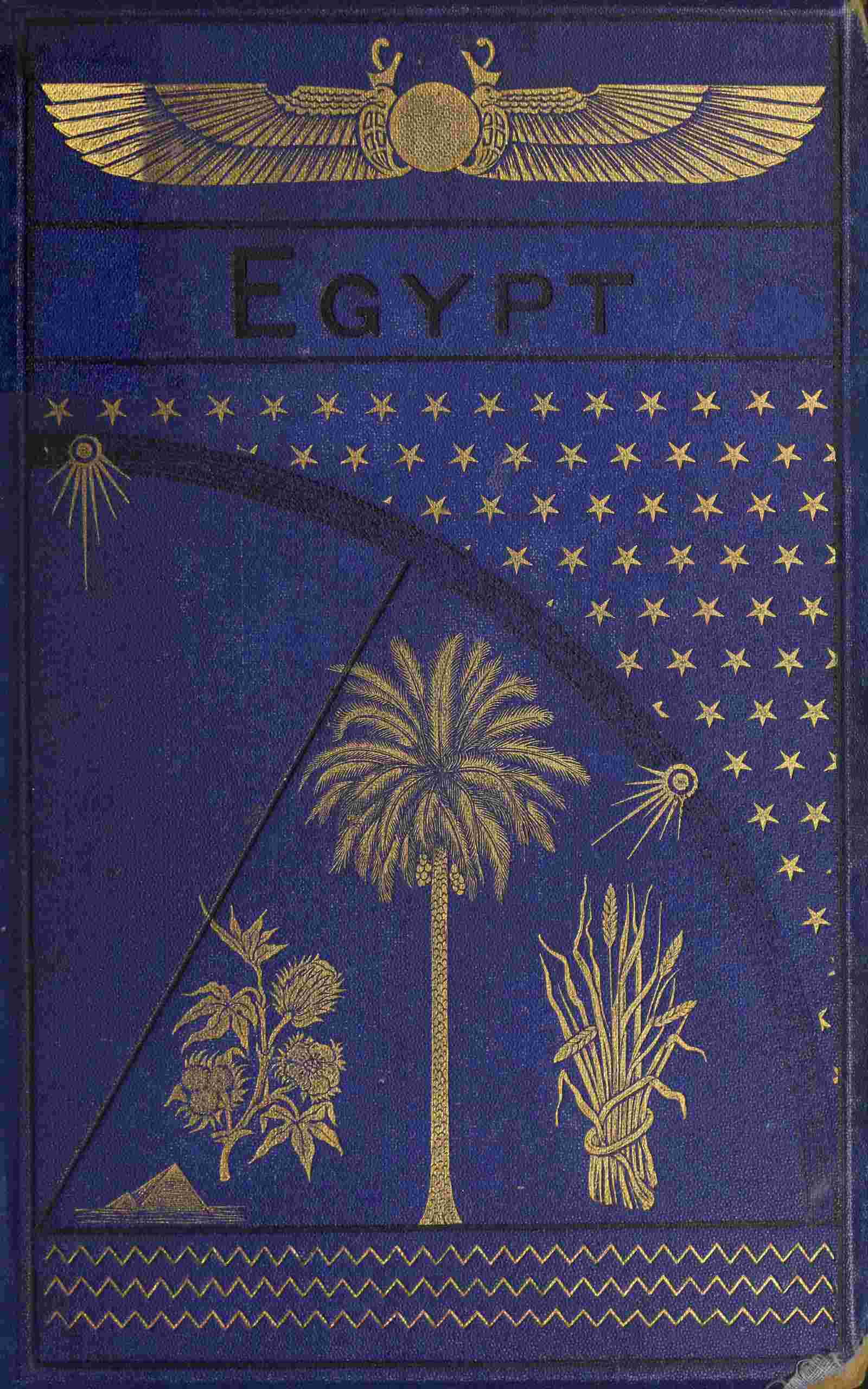
Egypt of the Pharaohs and of the Khedivé
1873
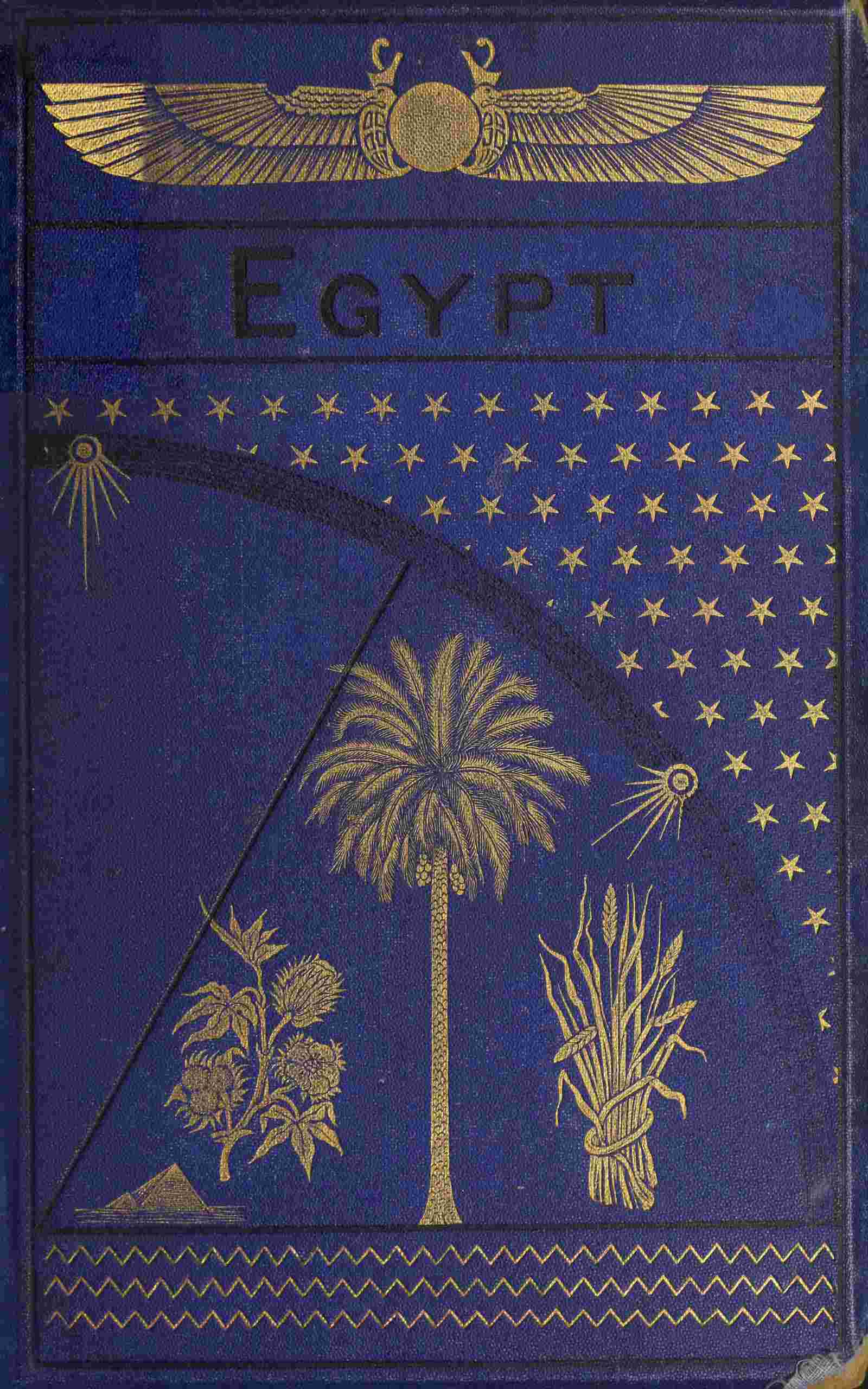
Egypt of the Pharaohs and of the Khedivé
1873
Written in 1873, when Egypt stood at a perilous crossroads between its ancient inheritance and modern ambitions, this Victorian meditation on the land of the Pharaohs captures a moment of profound transformation. F. Barham Zincke guides readers through the physical and historical landscapes of Egypt with the keen eye of a geographer and the reverence of a pilgrim. The book opens with an extensive examination of the Nile, not merely a river but the arterial life force that made Egyptian civilization possible, a body of water remarkable for having no tributaries, whose annual inundation alone rendered the desert habitable. Zincke weaves together ancient history and contemporary observation, reflecting on Herodotus's inquiries about the Nile's mysterious origins while documenting the changes underway under the Khedivé. The result is a portrait of a nation as much idea as geography, where the stones of the pharaohs still loomed over the ambitions of Ismail's modernizing Egypt. For readers who crave the layered perspective of a Victorian traveler, who want to understand not just what Egypt was but how it was being reimagined in the age of empire, this remains a compelling time capsule.
Editions
X-Ray
The author and narrator, a Victorian vicar and scholar who travels through Egypt in 1871. He serves as both observer and interpreter of Egyptian civilization, bringing scholarly analysis to his travel experiences.
An energetic athletic young man, recently graduated from Harrow School. He represents youthful vigor and serves as the author's climbing companion and source of physical encouragement.
A graceful young lady who climbs the Great Pyramid with remarkable skill and beauty. She represents the finest qualities of Victorian womanhood and serves as an inspiring figure.
The ancient Egyptian pharaoh who serves as the central historical figure in the author's analysis. Portrayed as Egypt's greatest conqueror and builder, representing the pinnacle of Egyptian power and ambition.
About Egypt of the Pharaohs and of the Khedivé
Chapter Summaries
- 1
- Zincke explains how the Nile created Egypt through geological processes, cutting the valley and depositing fertile soil. He uses contemporary evidence to show the river has lowered its level over historical time.
- 2
- The author analyzes how Egypt's unique geography - desert protection, fertile soil, perfect river transport - enabled early civilization. He argues these natural advantages made Egypt's political despotism inevitable.
- 3
- Zincke argues that ancient Egyptians were primarily of Aryan origin, not African or Semitic, based on analysis of their religion, social organization, and cultural achievements. He suggests they arrived by sea from India.
Key Themes
- Civilization and Progress
- Zincke examines how ancient Egypt achieved remarkable technological and cultural advancement while remaining morally limited. He argues that true progress requires both material achievement and spiritual development.
- Religion and Morality
- The author extensively analyzes Egyptian religious beliefs, particularly their doctrine of future life, contrasting it with Hebrew monotheism. He argues that Moses deliberately excluded future life doctrine to establish a distinct national identity.
- East versus West
- Throughout the work, Zincke contrasts Eastern and Western approaches to life, governance, and spirituality. He sees the East as characterized by despotism and stagnation, while the West represents progress and freedom.
Characters
- F. Barham Zincke(protagonist)
- The author and narrator, a Victorian vicar and scholar who travels through Egypt in 1871. He serves as both observer and interpreter of Egyptian civilization, bringing scholarly analysis to his travel experiences.
- Young friend from Harrow(major)
- An energetic athletic young man, recently graduated from Harrow School. He represents youthful vigor and serves as the author's climbing companion and source of physical encouragement.
- The Lily of the North(major)
- A graceful young lady who climbs the Great Pyramid with remarkable skill and beauty. She represents the finest qualities of Victorian womanhood and serves as an inspiring figure.
- Rameses the Great(major)
- The ancient Egyptian pharaoh who serves as the central historical figure in the author's analysis. Portrayed as Egypt's greatest conqueror and builder, representing the pinnacle of Egyptian power and ambition.
- Sethos(major)
- Father of Rameses the Great and a great pharaoh in his own right. Identified by the author as Joseph's Pharaoh, he represents the height of Egyptian civilization and architectural achievement.
- Moses(major)
- The biblical lawgiver whose relationship to Egyptian civilization forms a central theme. The author analyzes why Moses excluded the doctrine of future life from his dispensation.
Link to this book
Add a free, dofollow link to Lex on your blog, forum, syllabus, or reading list.

<a href="https://lex-books.com/book/egypt-of-the-pharaohs-and-of-the-khediv-17e3bc84-23f4-4cf4-b8ea-a07c7abb5b0d"><img src="https://lex-books.com/badges/read-on-lex.svg" alt="Read Egypt of the Pharaohs and of the Khedivé by F. Barham Zincke free on Lex" width="160" height="40"></a>[](https://lex-books.com/book/egypt-of-the-pharaohs-and-of-the-khediv-17e3bc84-23f4-4cf4-b8ea-a07c7abb5b0d)[url=https://lex-books.com/book/egypt-of-the-pharaohs-and-of-the-khediv-17e3bc84-23f4-4cf4-b8ea-a07c7abb5b0d][img]https://lex-books.com/badges/read-on-lex.svg[/img][/url]Read Egypt of the Pharaohs and of the Khedivé by F. Barham Zincke free on Lex: https://lex-books.com/book/egypt-of-the-pharaohs-and-of-the-khediv-17e3bc84-23f4-4cf4-b8ea-a07c7abb5b0dCite this book
Reading this edition for a paper or guide? Copy a citation.
Zincke, F. Barham. Egypt of the Pharaohs and of the Khedivé. Lex, lex-books.com/book/egypt-of-the-pharaohs-and-of-the-khediv-17e3bc84-23f4-4cf4-b8ea-a07c7abb5b0d.Zincke, F. B. (1873). Egypt of the Pharaohs and of the Khedivé. Lex. https://lex-books.com/book/egypt-of-the-pharaohs-and-of-the-khediv-17e3bc84-23f4-4cf4-b8ea-a07c7abb5b0dZincke, F. Barham. Egypt of the Pharaohs and of the Khedivé. Lex. https://lex-books.com/book/egypt-of-the-pharaohs-and-of-the-khediv-17e3bc84-23f4-4cf4-b8ea-a07c7abb5b0d.